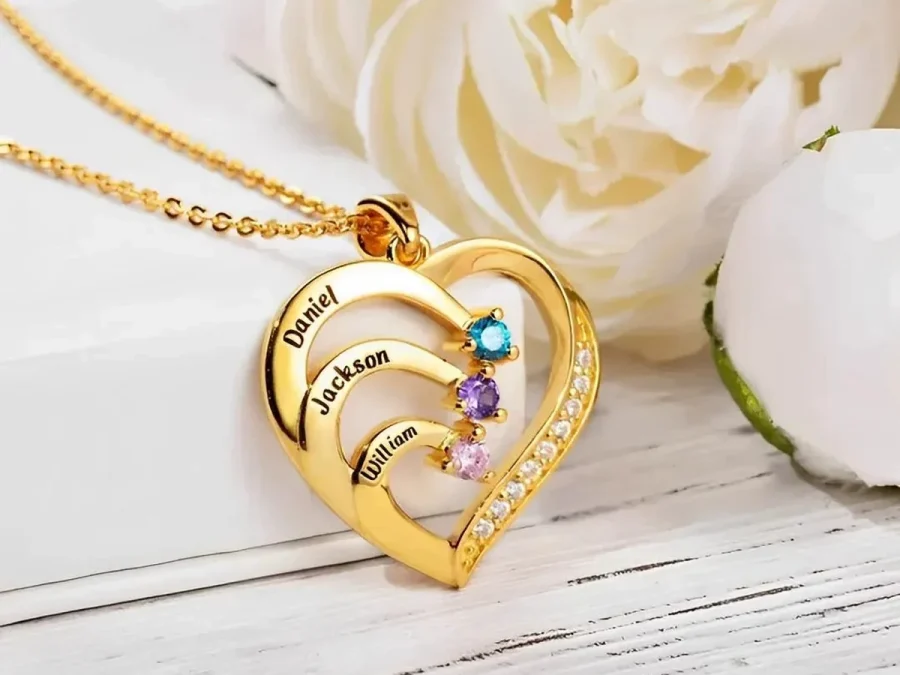
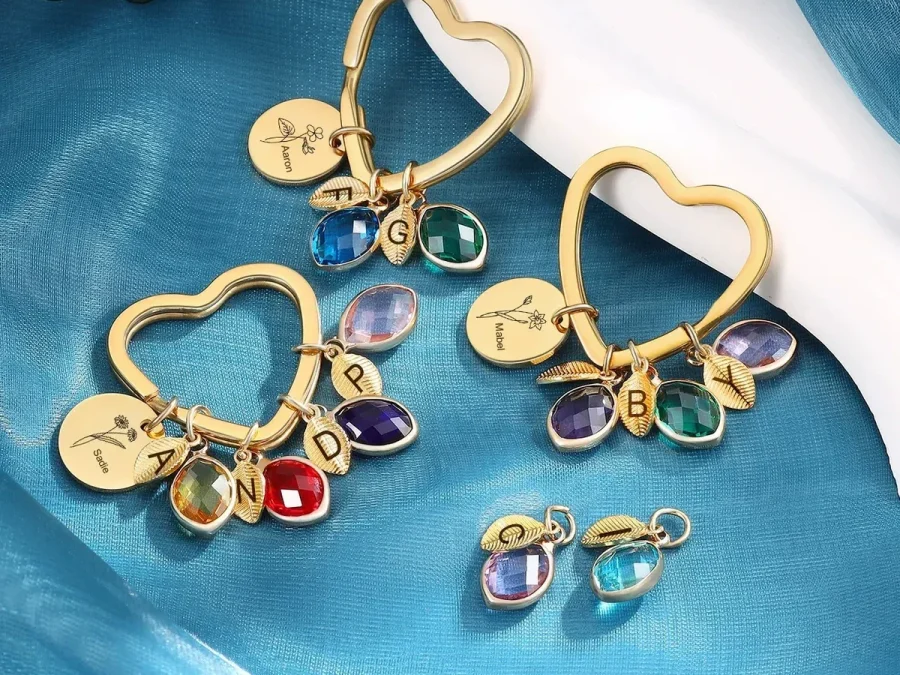
Amethyst, Opal, and Tourmaline: February vs October Birthstones
Compare amethyst, opal, and tourmaline as distinct gem materials, then use February and October labels accurately in personalized jewelry.
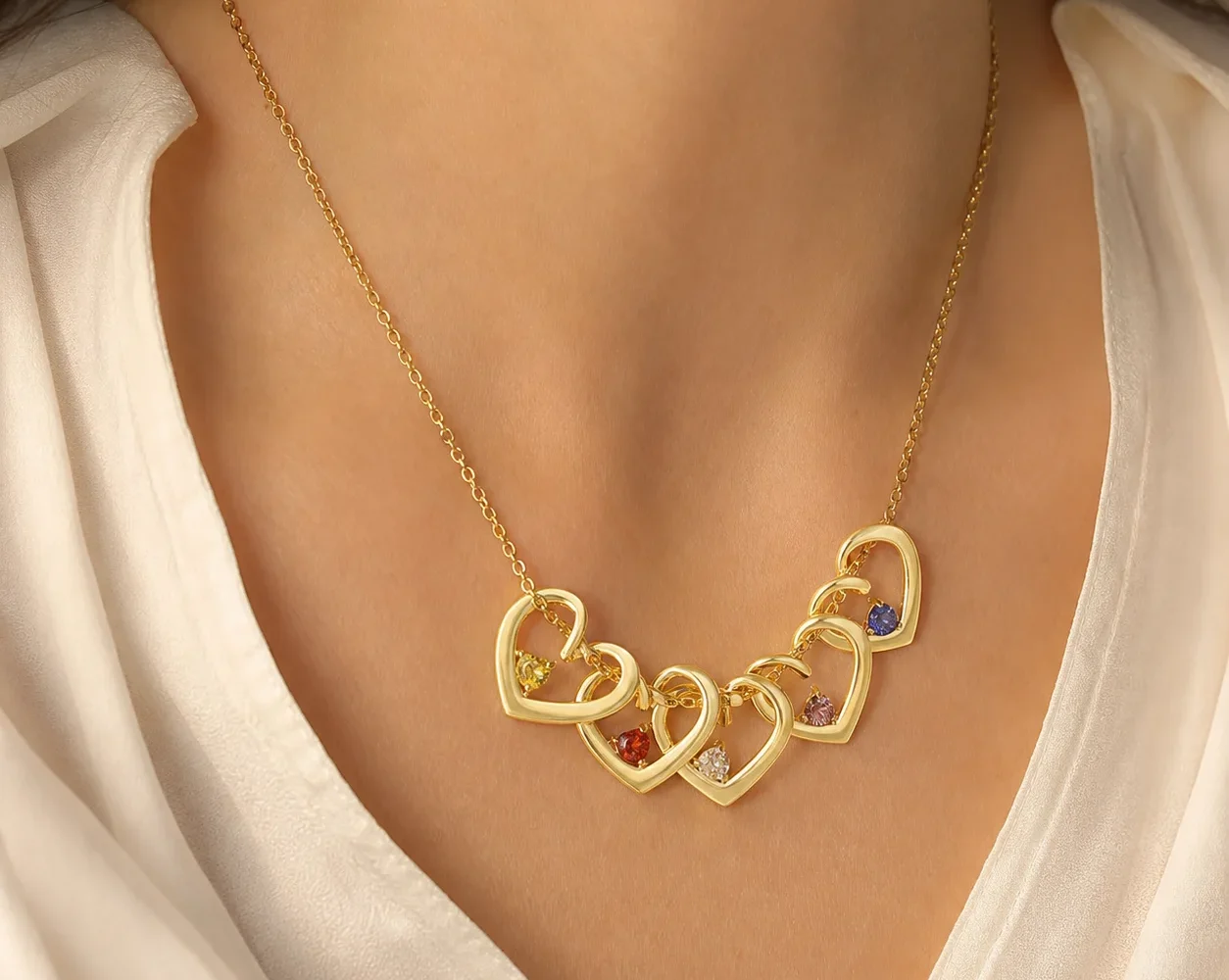
Amethyst, opal, and tourmaline are not three shades on one purple-to-pink scale. They are different gem materials with different structures and much broader appearances than a small birthstone chart can show. February is traditionally linked with amethyst, while October is linked with opal and tourmaline. For personalized jewelry, use the person’s confirmed calendar month and the written selector label rather than trying to identify a gem from color alone.
Start with three distinct gem traditions
The GIA February birthstone reference describes amethyst as the purple variety of quartz. Its familiar identity is purple, but natural examples can range from light lilac to deeper reddish purple. That range already makes a single digital swatch an incomplete description of the natural material.
The GIA October birthstone reference names both opal and tourmaline. Opal may have a background color and, in some material, moving flashes known as play-of-color. Tourmaline is associated with an especially broad color range, including pink as well as green and multicolored material. Neither October tradition can be summarized accurately as “the pink one.”
These facts explain the traditions; they do not describe the composition of an Amorieva accent. Amorieva uses simulated birthstone or crystal accents selected by month. A February label represents February, and an October label represents October, even when their tiny previews look close on a particular screen.
Do not use hue as a gem identification test
Purple can point a shopper toward an amethyst tradition, but color alone cannot prove that a stone is amethyst. Pink can appear in tourmaline, but it does not establish tourmaline identity. Opal adds another complication because a still image may capture one background color or one flash rather than the changing appearance a natural opal can show as it moves.
Photography, white balance, display settings, surrounding metal tone, and accent scale can all affect perception. A pale purple preview may look pink in warm light. A reflective October cue may look almost colorless in one frame and warmer in another. Those changes do not move a person from one birth month to another.
Material identification requires documented specifications and, for valuable natural gems, qualified testing. A month selector is an ordering control. Keeping those two jobs separate prevents a chart, product photo, or color name from becoming an unsupported material claim.
Build the order from people and months
Begin with a simple roster that has one row per represented person. Record the approved display name, the confirmed birth month, and the intended position. For example, a row can read “Avery — February — second heart.” Another can read “Mina — October — fourth heart.” Review the rows before looking at the combined colors.
If two relatives share October, repeat October. Do not substitute February simply to create more color contrast. If an October-born recipient personally prefers amethyst, that preference can inform a different gift choice, but it does not change the person’s month in a month-based form.
The existing family birthstones by month guide can help organize a full roster. Its purpose is month mapping, not natural-gem authentication. When a family’s tradition uses an alternative stone, note that tradition separately while still following the current product form exactly.
Apply the distinction to Twisted Heart
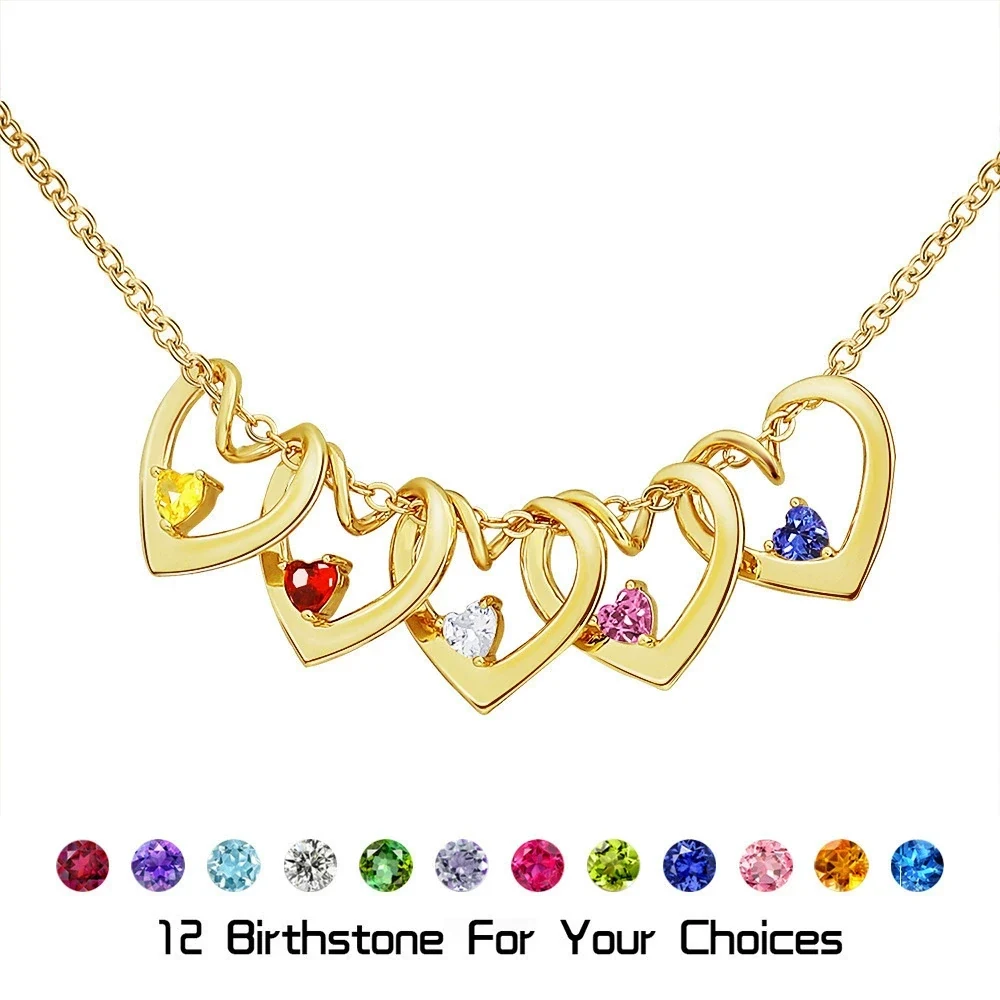
The Twisted Heart Birthstone Necklace currently supports one to five loved ones, with one engraved name and one simulated birthstone selection for each. It is available as a necklace or bracelet and offers gold, stainless-steel, and rose-gold tone choices.
Those fields create a useful verification sequence: count the people, match every approved name to a month, choose the format, and then choose the tone. The February or October selection should come from the roster, not from which preview looks more purple or pink beside the chosen tone.
If more than five people need representation, compare another current format through the Amorieva shop rather than forcing extra information into an unsupported field. If a selector or specification is unclear, use the current FAQ or ask about the exact product before ordering.
Use a material-and-selector check
- Write the person’s confirmed month before opening the product form.
- Treat amethyst, opal, and tourmaline as separate natural-gem references.
- Treat the product’s February and October accents as simulated month cues.
- Match each name and month in the same row.
- Review count, format, and tone as separate choices.
- Do not infer mineral identity, treatment, or value from a preview color.
This check is especially useful when several small accents sit together. The names and recorded positions preserve identity even when neighboring reflections make two colors seem more alike than expected.
Common questions
Is October’s birthstone always pink?
No. October includes opal and tourmaline traditions, and both can show appearances that go far beyond one pink cue. A personalized selector may use one representative October accent, so follow its written label.
Can amethyst look pink?
Some purple amethyst can appear warmer or more reddish under certain lighting, and digital images can shift further. That does not make color alone a reliable material or month test.
Does an October accent contain opal or tourmaline?
Not by implication. For the current Amorieva product discussed here, the accent is a simulated birthstone selected by month. Natural-gem facts should not be transferred to it without a product specification.
Let the month label do one clear job
February and October are connected with genuinely different gem traditions, not a simple purple-versus-pink rule. Learn the natural-gem distinctions from reliable sources, then return to the practical ordering task: confirm the person, record the month, select the matching label, and preserve the name-position map. That approach respects both the gemological context and the actual product description.