Leap Day Birthstone: Which Month Should You Choose?
For a February 29 birthday, choose February in a month-based birthstone selector and keep any leap-day symbolism separate from the product field.
For someone born on February 29, choose February in a month-based birthstone selector. Leap Day changes how often the exact date appears on the calendar, not the birth month. Any personal symbolism about celebrating on February 28, March 1, or only in leap years should remain separate unless the person wants it in an available message field.
Keep date recurrence separate from month
February 29 belongs to February. A birthstone form organized from January through December therefore uses the February selection. The absence of February 29 in a non-leap year does not move the recorded birthday into another month.
The GIA February birthstone reference identifies amethyst with the February tradition. It does not create a separate Leap Day gemstone category.
Birthstone traditions and alternatives can vary by era and place, but the calendar-month logic remains clear for a February 29 date. Follow the current product selector for the actual order.
A month selector is not a birthday-celebration calendar. It normally does not ask which day the person uses for a party in a non-leap year. Keep the recorded birth month and the annual celebration custom in separate notes.
Ask how the person talks about Leap Day
People born on February 29 may celebrate differently in non-leap years. Some choose February 28, some March 1, and some use another family convention. That personal celebration choice does not automatically change the birthstone month.
If the gift includes a card or center-disc message, ask whether the recipient enjoys a leap-year reference. Do not surprise them with a joke, age calculation, or “rare” identity they have not welcomed.
The jewelry can use February while the accompanying note reflects the person’s own language about Leap Day.
Ask whether the person enjoys Leap Day references before using one. Some people like the unusual date highlighted; others prefer the gift to focus on their name or family. A correct February selection does not require a leap-year joke or theme.
If the gift comes from several relatives, designate one person to confirm the wording. Multiple family conventions about February 28 and March 1 can otherwise enter the note even though none changes the product month.
Map February with the approved name
Create a row containing exact display name, “February,” and the intended position. Do not enter March merely because a family celebrates on March 1 during other years.
If another family member is also born in February, repeat the month selection. Their engraved names and positions distinguish them. The family month guide can help organize a larger roster.
Save a private note that the date is February 29 if it matters to the family key. The full date does not need to appear in the product field.
Add the selector label exactly as shown to the record. A later reviewer should be able to see “February” rather than infer the month from a purple image. This is especially useful when another relative in the piece also uses February.
Use Family Branch within its fields
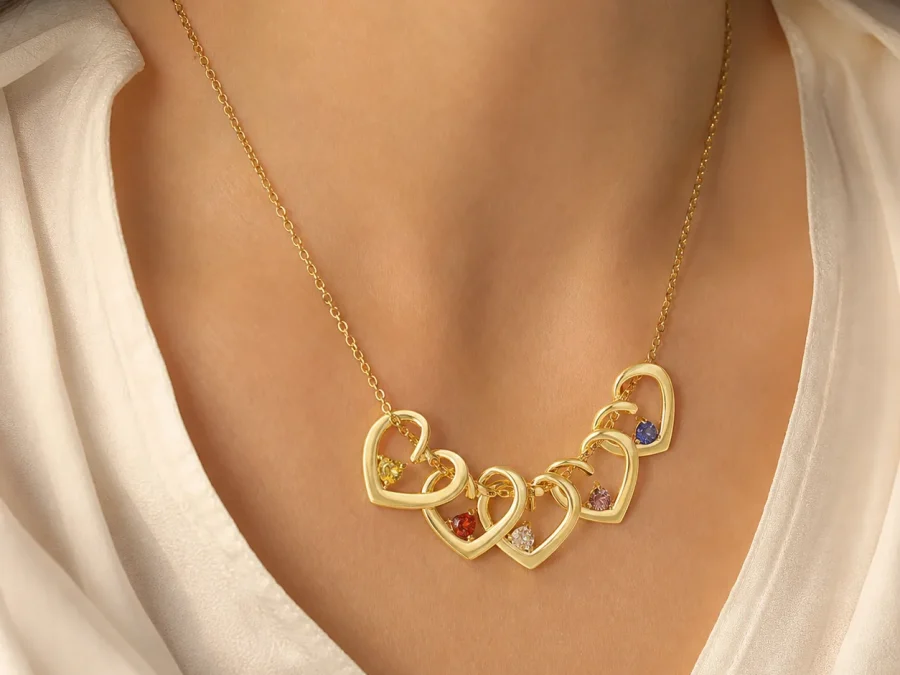
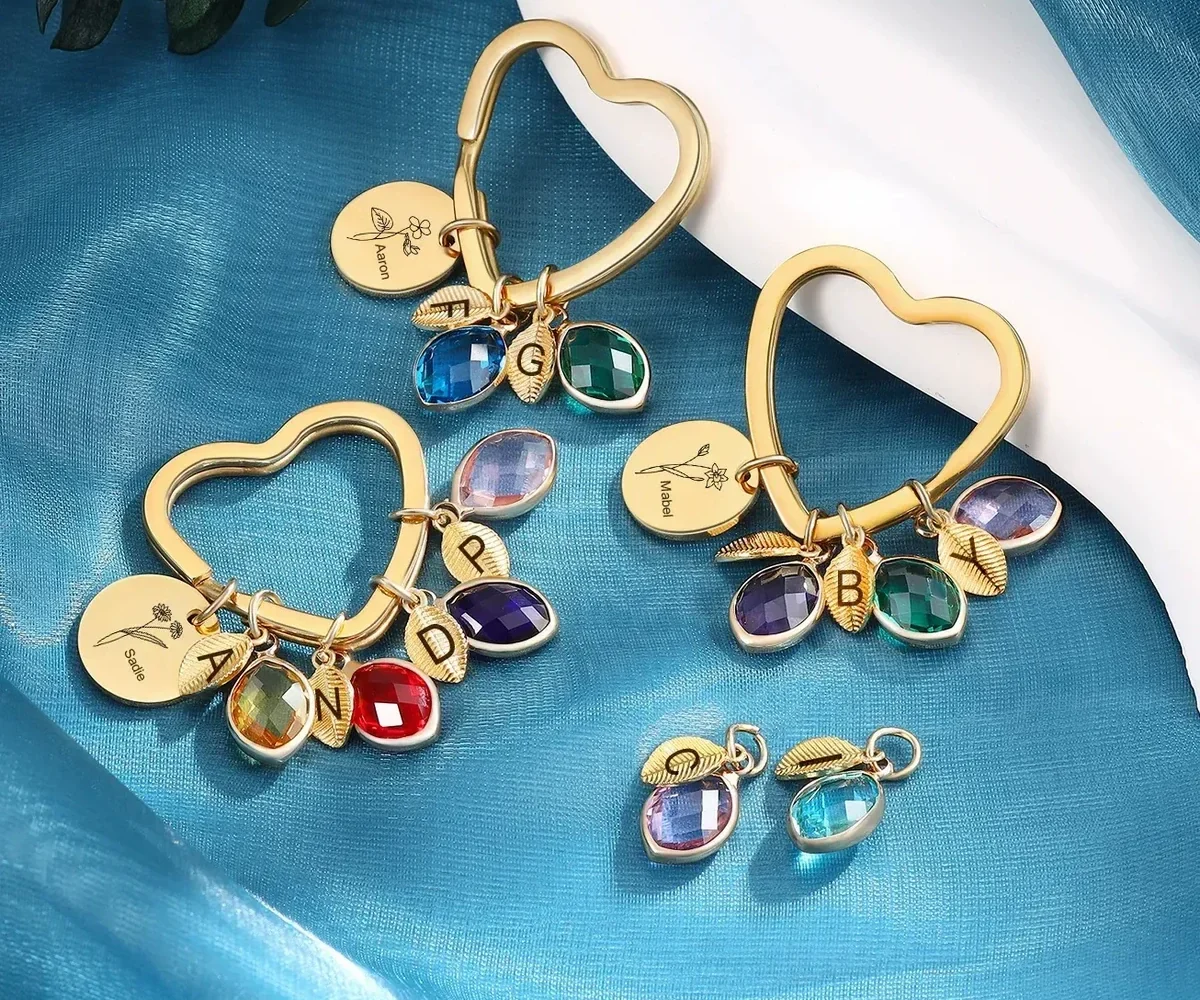
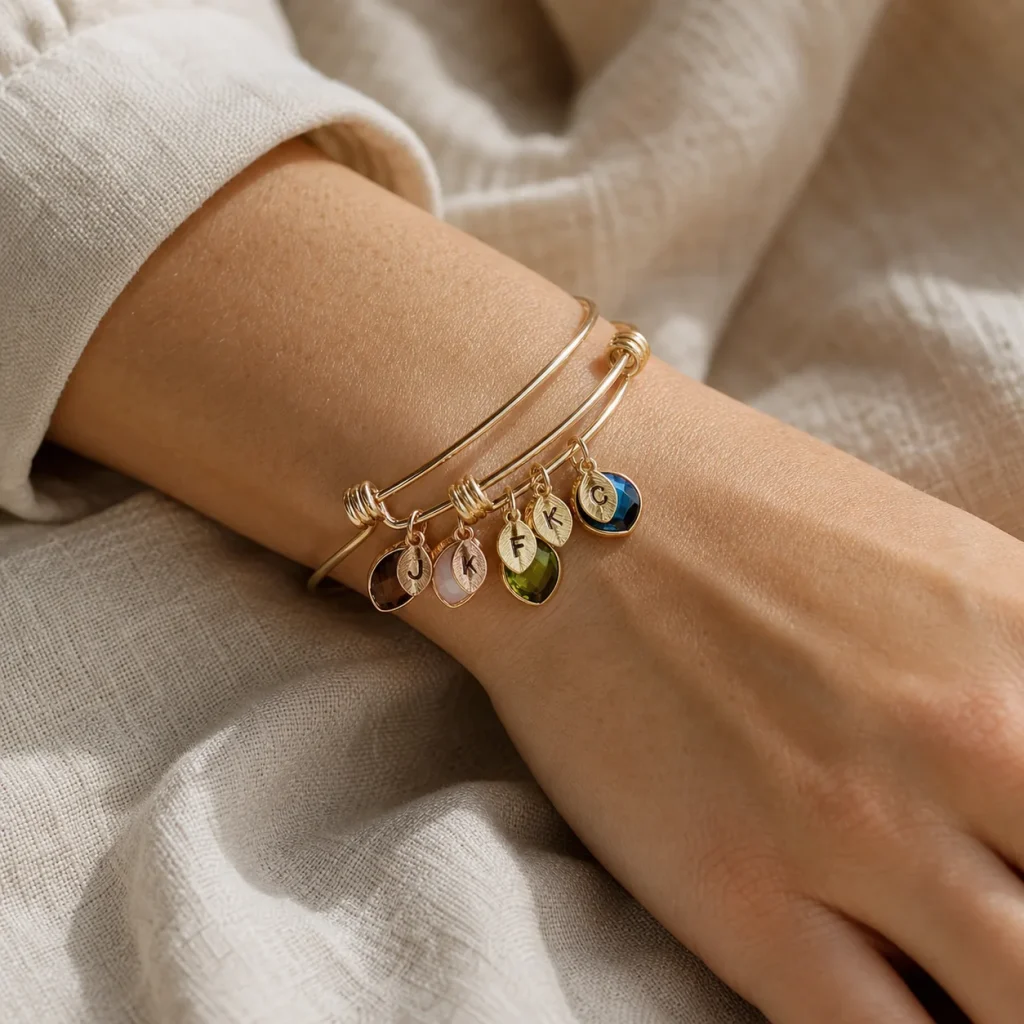
The Family Branch Birthstone Bangle supports one to five loved ones through engraved name leaves and simulated birthstone selections. It is available as an adjustable bangle, round keyring, or heart keyring.
Select February for the Leap Day person and count that person as one of the one-to-five entries. A center disc can carry a short message through the current Special Note, but it does not create a special leap-year stone or a sixth person.
Choose the wearable or carried format according to the recipient’s routine, then verify tone, names, months, and order separately.
For the center disc, prepare one concise approved message only if the wearer wants it. Do not use the note to request a February 29-specific accent that the selector does not provide. The available month cue remains February.
A round keyring may fit someone who does not wear wrist jewelry, while the bangle can suit an established bracelet wearer. The calendar answer stays the same across formats.
Use a leap-day order check
- Confirm the recorded date is February 29.
- Use February in the month selector.
- Verify the preferred display name.
- Keep celebration-day wording outside the month field.
- Review the total loved-one count and chosen format.
Follow the personalization process and avoid asking a general note to alter required selectors.
Have a second adult review the date source, February selection, name, format, and person count. Ask them to check the written month rather than the accent color.
Common questions
Should a Leap Day birthday use March?
No. February 29 is in February, so a calendar-month birthstone selector uses February. A March 1 celebration in some years is a separate family convention.
Is there a special Leap Day birthstone?
Use the February tradition for a month-based piece. A separate leap-year stone is not part of the current Amorieva selector.
Can the center disc say “Leap Day”?
Only if the recipient wants that wording and the current note field can support it. Confirm before ordering rather than assuming the phrase will fit.
Use the date that is actually recorded
Leap Day is unusual because the exact date returns every four years, but its month is ordinary and unambiguous. Choose February, preserve the person’s preferred name, and let any leap-year celebration live in a separate, welcomed message. The calendar provides a simpler answer than the recurrence makes it seem.
Keep the final family key with the gift so the recipient knows the choice was deliberate. A one-line explanation—“February represents your February 29 birthday”—is enough; no special stone claim is needed.