Birthstone vs Anniversary Gemstone: Two Traditions Explained
Learn how birthstones map to calendar months while anniversary gemstones map to years of marriage, and choose a symbol the product actually supports.
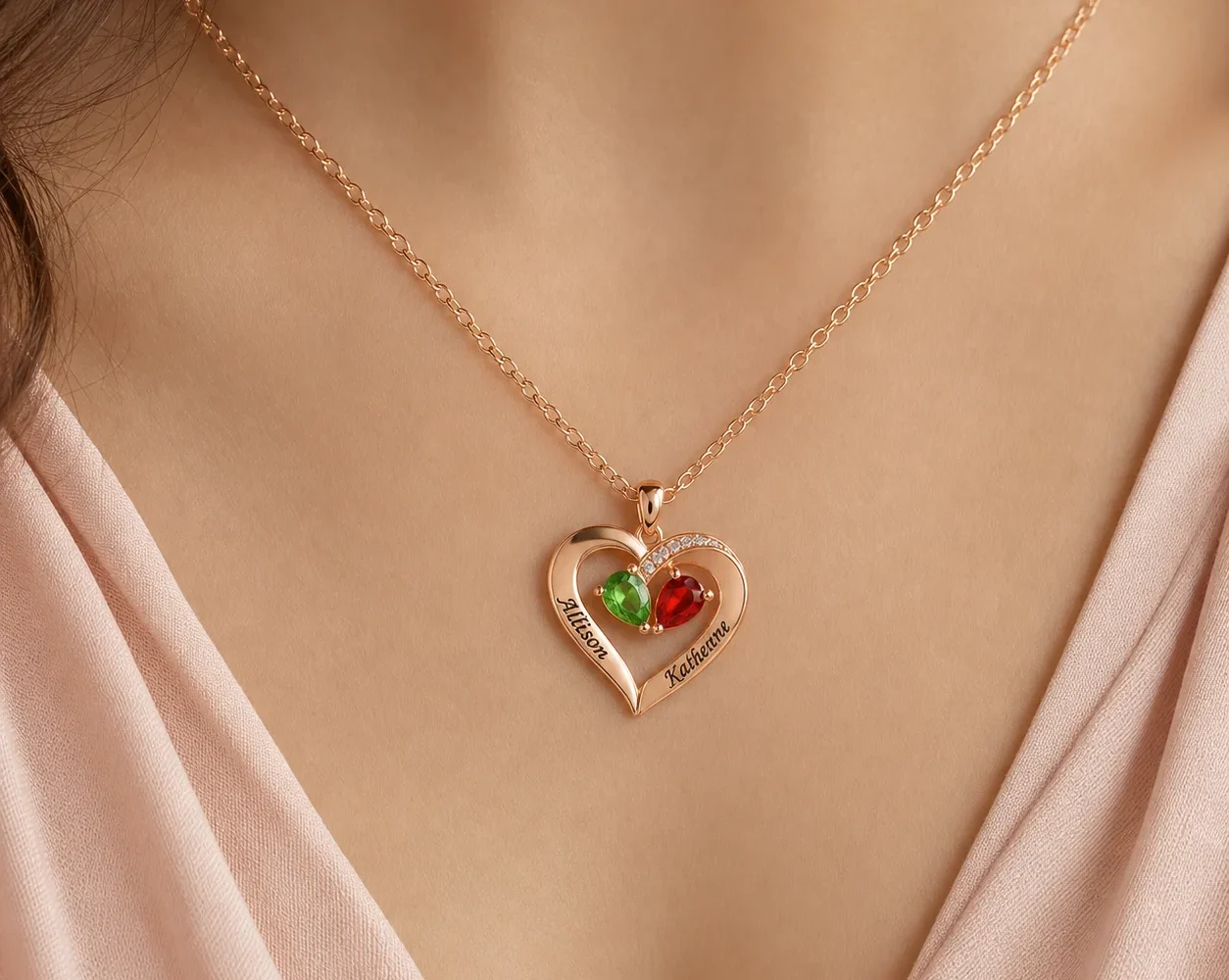
A birthstone is associated with a calendar month, while an anniversary gemstone is associated with a numbered year of marriage. They are separate jewelry traditions, and anniversary lists can vary. Before choosing between them, decide whether the symbol should identify people through their birth months or mark the couple’s milestone year. Then confirm that the product actually offers the needed selector.
How the two systems organize meaning
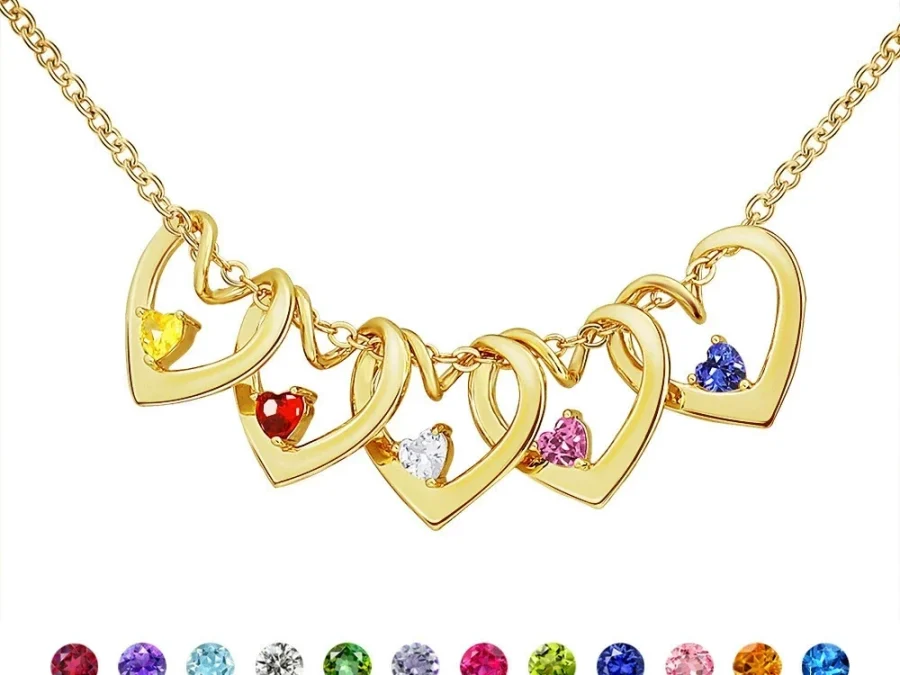
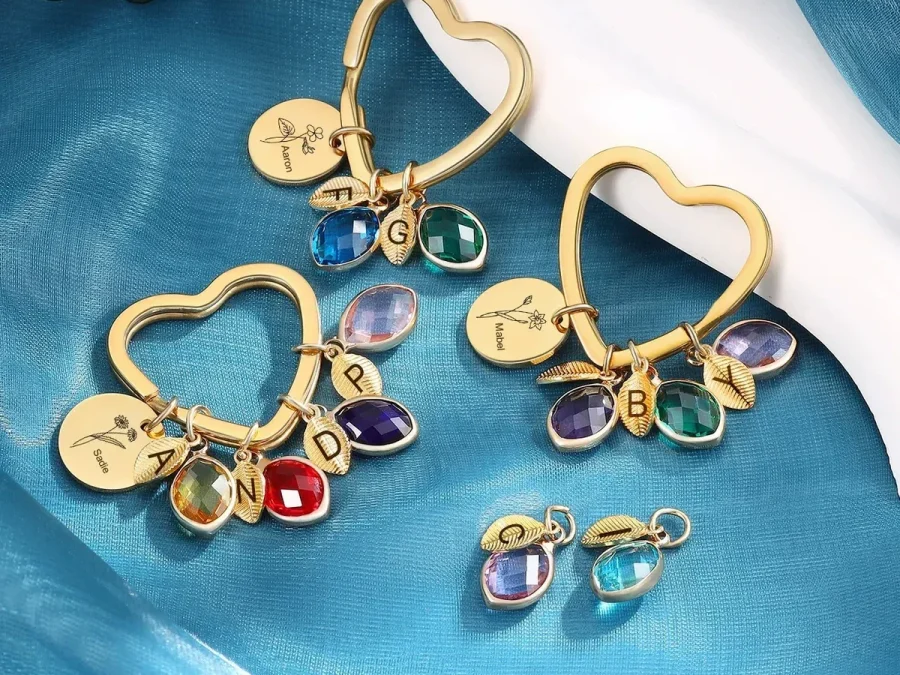
Birthstone traditions begin with January through December. A person selects the month connected with a birthday, and some months have more than one recognized gem in modern references. The GIA birthstone reference presents the month-based system and its gemological history.
Anniversary gemstone traditions begin with the number of years being celebrated. A list might associate a material or gem with the first year, another with the tenth, and others with later milestones. GIA’s overview of anniversary gemstones for years one through ten explicitly notes that there is no single authoritative anniversary-gem list and that recommendations have changed.
These systems can overlap—a gem may appear in both contexts—but overlap does not make their organizing rule the same.
Choose the question the jewelry should answer
If you want the piece to answer “Who are the two people in this story?” birth months provide personal identifiers. If you want it to answer “Which marriage year are we celebrating?” an anniversary association may be the intended symbol. Write the question first so an appealing gemstone name does not replace the purpose.
A couple can also celebrate an anniversary with birthstone jewelry. Their two months may represent the partners, while the occasion explains why the gift is given now. The piece does not need to contain the traditional anniversary gem to be an anniversary gift.
Likewise, a gem associated with an anniversary year does not predict relationship success, health, or luck. Both systems are cultural ways of assigning meaning, not scientific effects.
Consider a couple celebrating ten years together. A month-based piece might use one partner’s February selection and the other’s September selection because it identifies them. An anniversary-led gift would begin with the tenth-year tradition. The same occasion can support either idea, but the shopper should not silently substitute one organizing rule for the other.
Read an Amorieva month selector literally
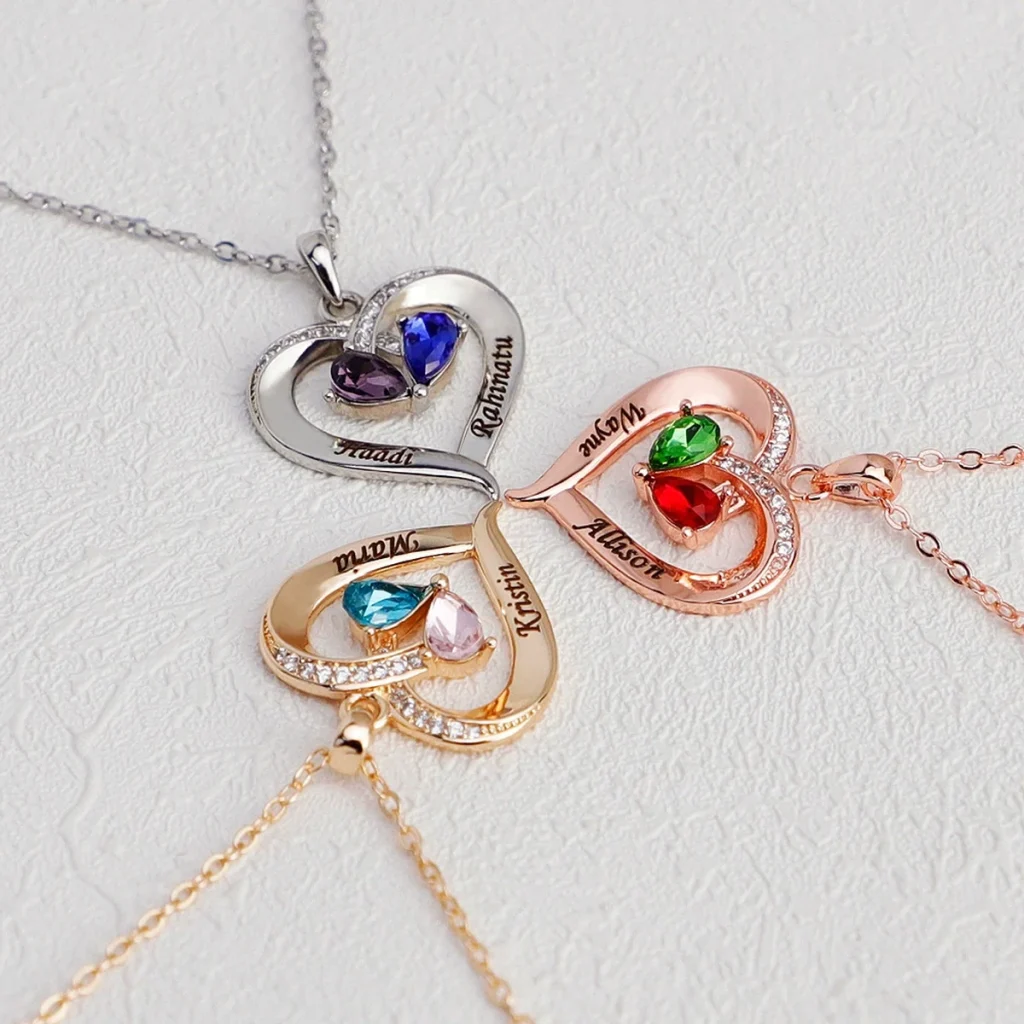
The Two-Tone Teardrop Story Necklace is configured for exactly two names and two birth-month selections. Its colored elements are simulated birthstone accents. The current form does not offer an anniversary-gemstone selector.
For an anniversary gift, you could use each partner’s actual birth month, choose the tone and heart-accent style, and let the date of giving provide the milestone context. Do not select a false month merely because its traditional gemstone name appears on an anniversary list. Keep information about gem minerals separate from the simulated accents in the product.
The necklace also offers a crystal-set or smooth engraved heart accent. That style choice is separate from both month selections and should not be presented as an anniversary-stone option.
Use a simple tradition-and-product check
- Write the intended meaning: two people, a wedding year, or both.
- Check an authoritative source for the tradition rather than copying an unsourced chart.
- Read the current product fields and identify what can actually be selected.
- Keep natural-gem information separate from simulated birthstone accents.
- Choose accurate names and months if using an Amorieva birthstone design.
Amorieva’s family birthstone guide can help with the month side of the decision. For a wider format comparison, review the current jewelry collection rather than assuming every design offers the same personalization.
Document which tradition you chose
Write a one-line explanation for the gift: “These two month colors represent our birthdays,” or “This separate gift idea refers to our fifteenth year.” That sentence helps the recipient understand the symbol and prevents later retellings from turning a simulated month accent into an anniversary gem claim.
If you include a source in an accompanying note, name it and acknowledge that lists can vary. Avoid copying a long chart or implying one commercial list settles every culture and era. A transparent explanation is more meaningful than overstating certainty.
Common questions
Is an anniversary gemstone the same as a birthstone?
No. A birthstone is organized by calendar month; an anniversary gemstone is organized by years of marriage. A particular gem can appear in both traditions for different reasons.
Do all anniversary gemstone lists agree?
No. Sources can differ, and GIA notes the lack of one authoritative anniversary list. Identify the tradition you are using and avoid presenting one list as an unchanging universal rule.
Can the Two-Tone Teardrop use an anniversary stone instead?
Its current personalization is based on two birth months, not an anniversary-year gem. Use the displayed fields accurately or choose another gift approach; a Special Note should not be assumed to create a new gemstone option.
Keep the tradition and the product aligned
Birthstones identify people through months; anniversary gemstones commemorate numbered marriage years. Either can inspire a meaningful gift, but only when the symbolism is named honestly and the jewelry supports the selection. For Amorieva’s two-person teardrop design, use confirmed birth months and let the anniversary occasion carry the milestone meaning. Review how personalization works before submitting the final pair.