What If Two Family Members Share a Birth Month?
Learn how to represent relatives who share a birth month by repeating the correct month accent and using names, positions, and order for clarity.
When two family members share a birth month, use the same month selection for both and distinguish them through names, positions, and a consistent order. A repeated color is not a personalization error. It accurately records a shared calendar detail. Trying to force visual variety by choosing an unrelated month can make the jewelry less truthful, even if the resulting colors look more diverse.
Treat the repeated month as useful information
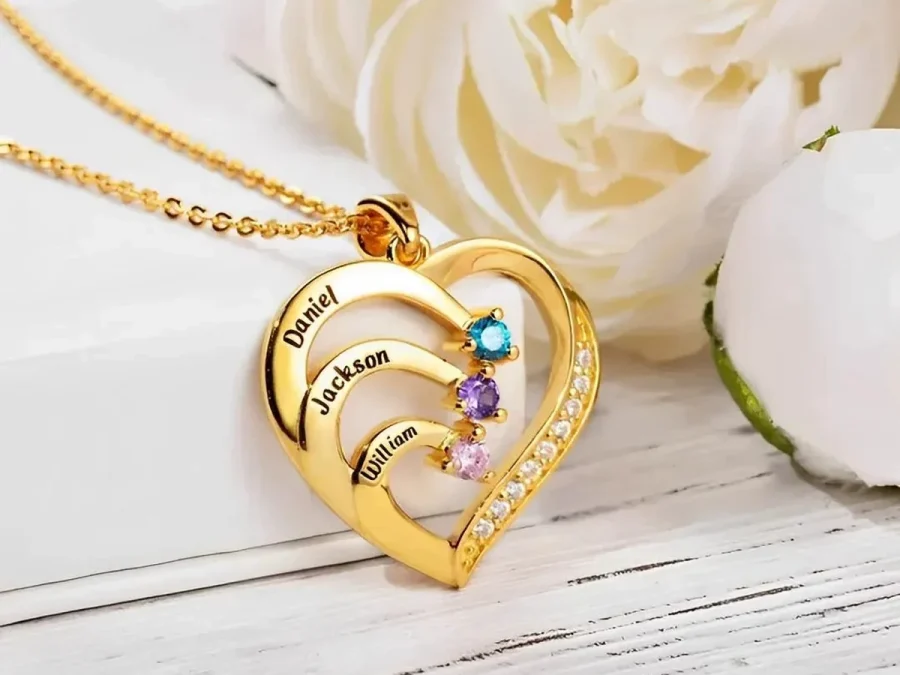
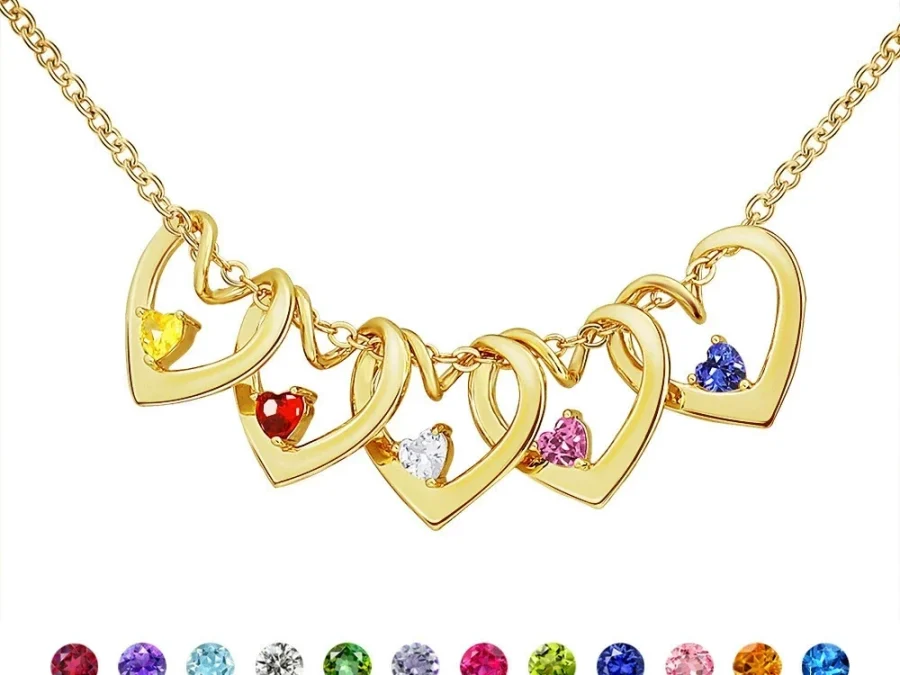
Birthstone jewelry turns a month label into a small color marker. If two people were born in the same month, the repeated marker shows a real connection. It may represent twins, siblings born years apart, a parent and child, or relatives in different generations. The jewelry does not need to explain which relationship applies; the associated names and the family’s understanding provide that context.
Traditional birthstone references can vary by era and place, and some months have recognized alternatives. That does not mean an alternative should be invented for one relative simply to avoid repetition. Use the choices available on the current product selector and select each person’s actual birth month. The family birthstones by month guide offers a practical reference for checking the month associations.
Use names and positions to keep people distinct
Create a simple table with three columns: name, month, and position. Two rows can legitimately show the same month while retaining different names and positions. Review each row horizontally. This is safer than checking a list of names and then a separate list of months, where an insertion or skipped line can shift every later pairing.
Choose a position system with a reason behind it. Birth order is easy for most families to recognize. Generational grouping can work in a multigenerational piece. An order agreed by the recipients may also be appropriate. What matters is consistency, not whether the sequence produces an alternating color pattern.
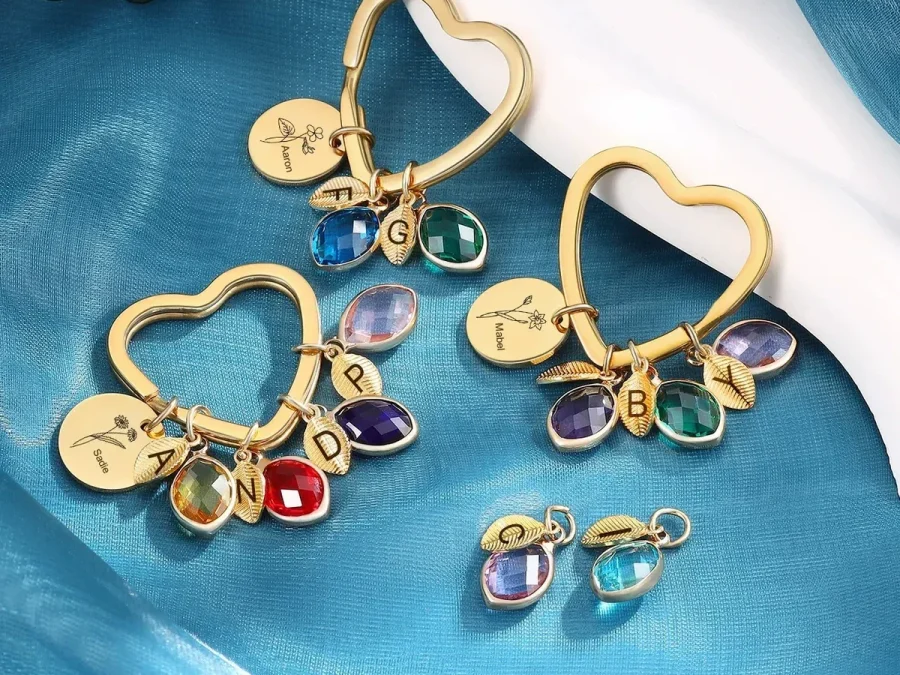
If a design includes engraving, keep the spelling as the primary identifier. A small accent may look slightly different in different lighting or on different screens, so color alone should not carry the full job of identifying a person.
For a gift, you can also keep a private copy of the final map for the recipient. It explains the deliberate repetition without adding extra words to a compact engraving.
Plan the layout on a one-to-eight-stone ring
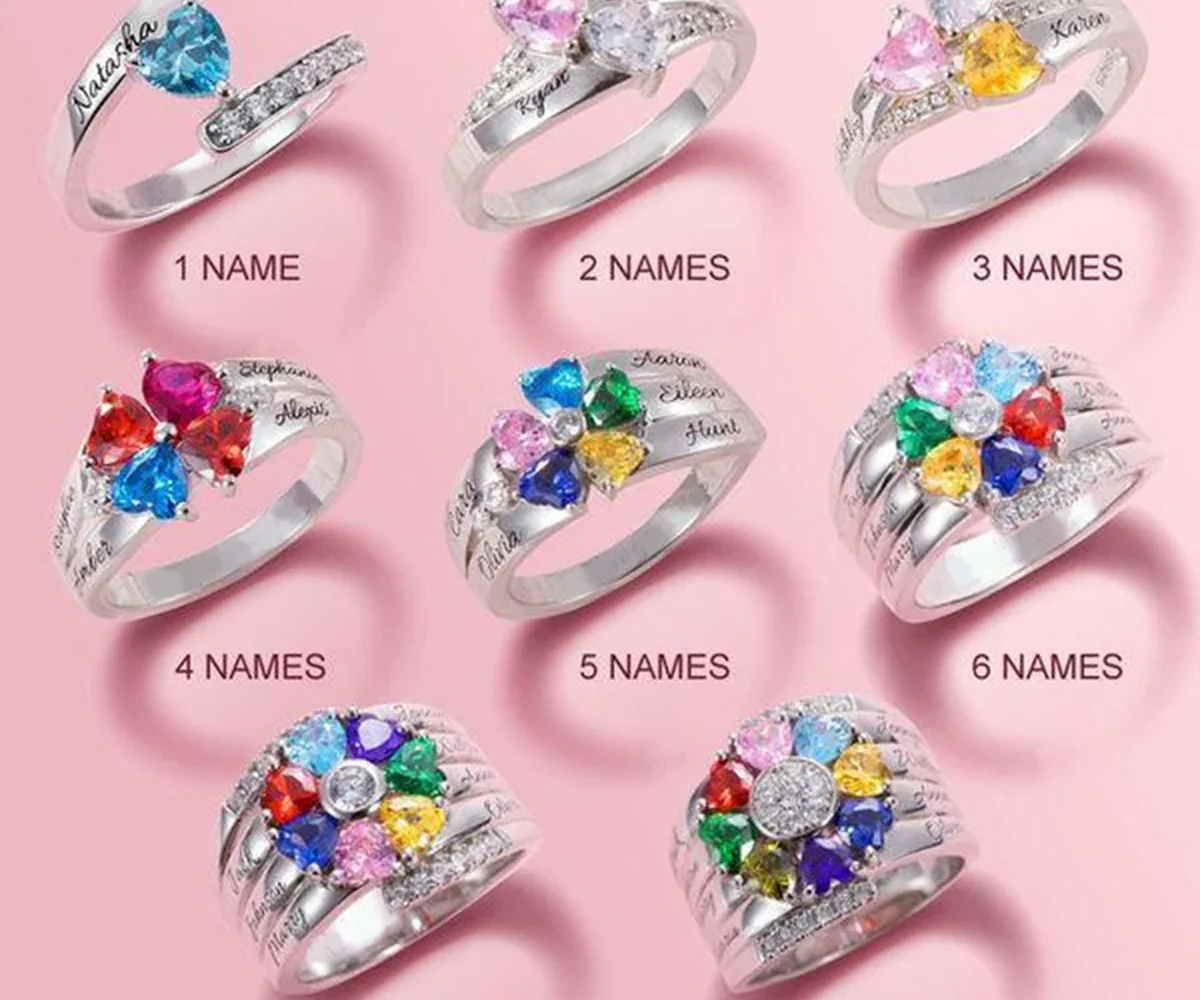
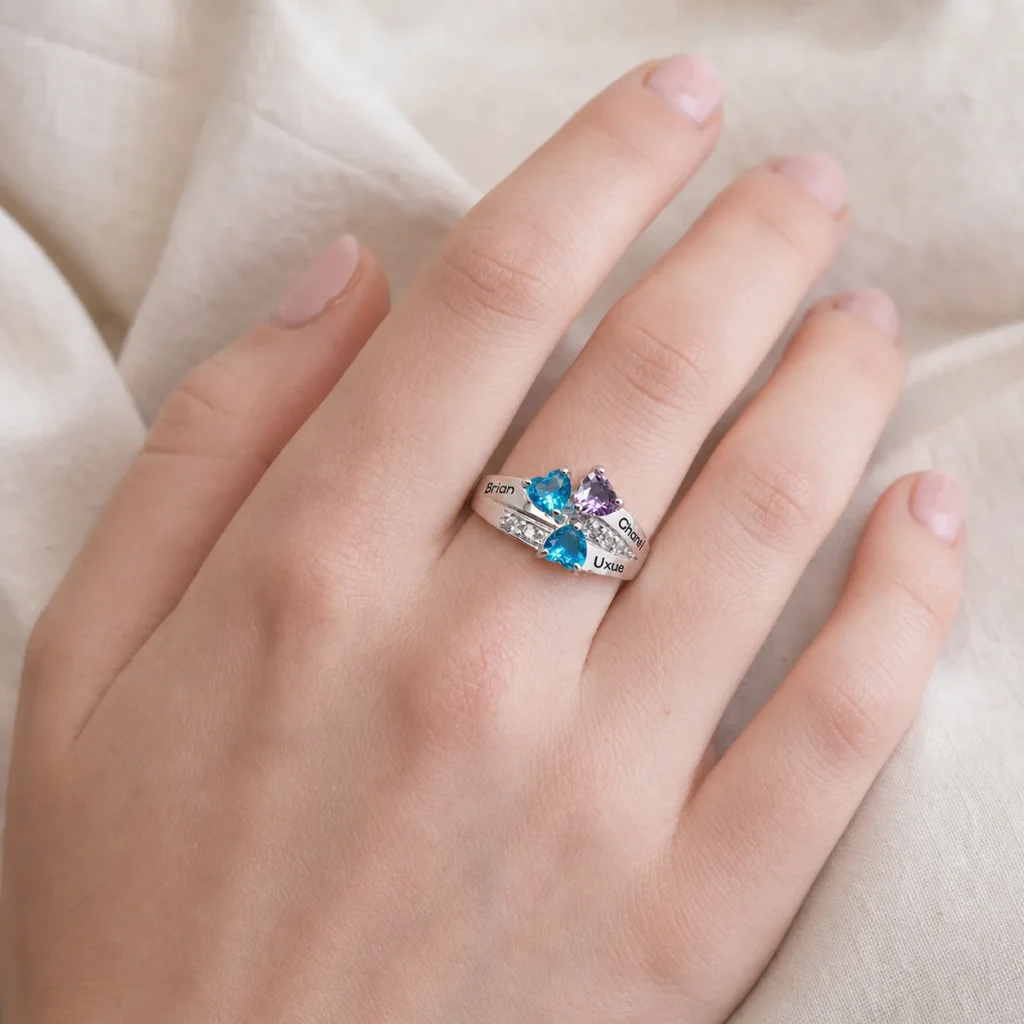
The Family Constellation Name Ring supports one to eight simulated birthstone accents with name or short engraving, in current US ring sizes 6 through 10. A shared month can therefore appear twice within a larger cluster without requiring any invented distinction.
For example, a four-person plan might read: first child—March—position one; second child—July—position two; third child—March—position three; parent—November—position four. The two March entries remain separate because their names and locations are different. This is a planning example, not a prediction of the exact visual placement produced by every configuration. Follow the current product fields and option images for the selected count.
Do not assume this ring offers a separate gold, stainless-steel, or rose-gold tone selector. Its current personalization fields focus on ring size, birthstone count, month choices, and engraving. Check the live page rather than carrying options over from another product.
Proofread repeated entries with extra care
Repetition can cause a reviewer to skim, so mark both same-month rows intentionally. Read the first name and month aloud, then the second. Confirm the total number of accents against the number of people. Check ring size separately using the existing at-home ring-size guide, because a correct family layout does not compensate for an unverified size.
Before submission, use this short check:
- Every intended person has one row.
- Every engraving uses the approved spelling.
- Repeated months are deliberate and match actual birth dates.
- The chosen order is applied from first entry to last.
- The total count and ring size match the current product form.
Amorieva’s ordering overview can help you keep required fields, optional notes, and the final review distinct.
Common questions
Should I choose an alternative stone for one person?
Not merely to make the colors different. Product selectors use their own defined month choices, and Amorieva’s colored elements are simulated birthstone or crystal accents rather than claims about natural gems. Select the correct month for both people.
Will two matching accents look like a duplicate mistake?
Clear names and a deliberate order show that the repetition is intentional. If the piece is a gift, a short accompanying note can mention the shared birth month without adding unsupported text to the engraving fields.
What if three relatives share the same month?
The same principle applies: repeat the month for all three, keep each name in its planned position, and confirm that the chosen design has enough capacity for everyone included.
Let accuracy create the pattern
A family layout does not need a different color for every person. Repeated months can be one of its most specific details, revealing a connection that a purely decorative palette would miss. Keep the shared month, use engraving and order to distinguish the people, and verify the complete count. The resulting pattern may repeat, but the family members it represents remain unmistakably individual.