Simulated Birthstones Explained for Personalized Family Jewelry
Learn what simulated birthstone accents communicate, what they do not identify, and how to choose the right month for personalized family jewelry.
Simulated birthstones, explained in practical terms, are decorative color accents selected to represent birth months in personalized family jewelry. The word “simulated” describes what an accent is intended to look like; it does not identify the accent as the gem mineral named in a traditional birthstone list. That distinction matters because it lets you compare the design, personalization, and family meaning without assuming a material claim that the product page does not make.
What “simulated birthstone” tells you
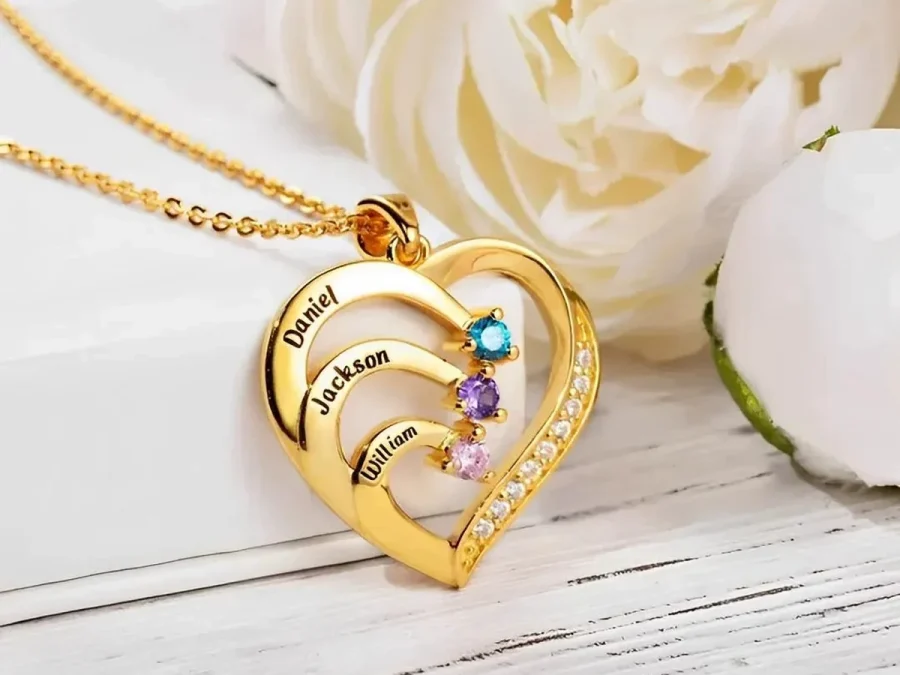
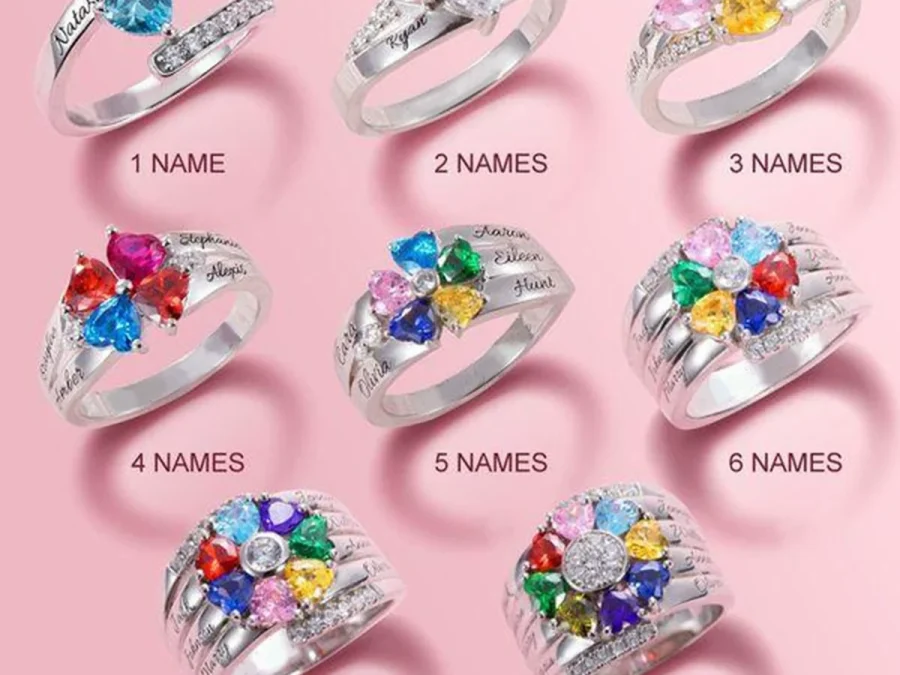
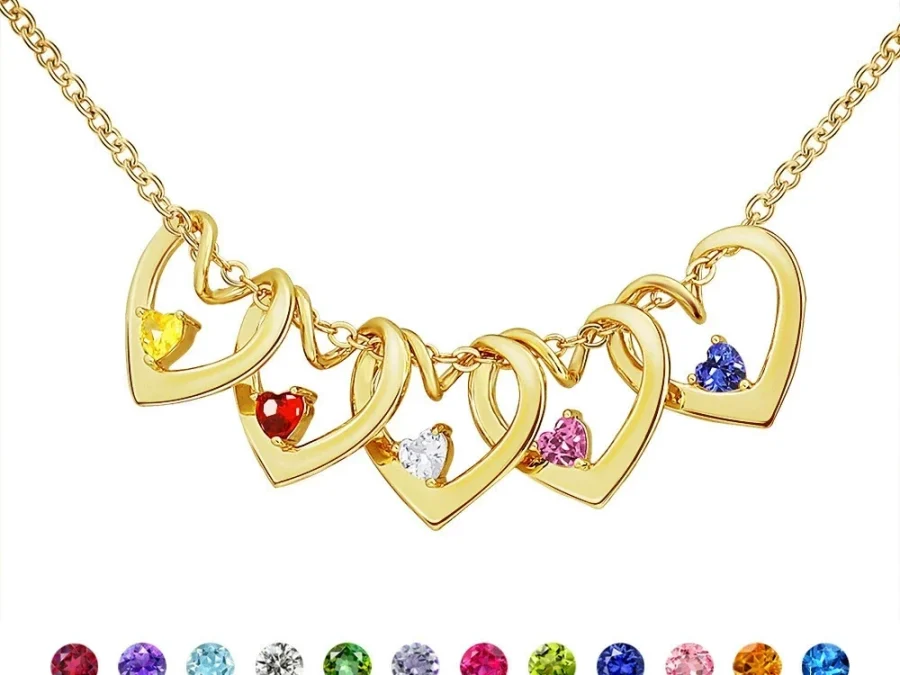
A birthstone tradition connects each calendar month with one or more gemstone names. Personalized jewelry can translate that tradition into a small color cue. A red accent may stand for one month, a blue accent for another, and a repeated color may represent two people who share a birth month.
When a listing says “simulated birthstone,” the safest reading is simple: the piece uses a colored accent to represent the selected month. The term does not promise a particular mineral species, origin, grade, treatment, or certification. Those questions belong to a different kind of gemstone purchase. For family jewelry, the useful question is whether the month label, name, and location of each accent accurately tell the intended story.
If you need a refresher on the customary month associations before completing a form, Amorieva’s family birthstones by month guide gives you a practical starting point. Remember that traditions can include alternatives, while a product selector presents the specific choices available for that design.
How Amorieva uses the idea in a current design
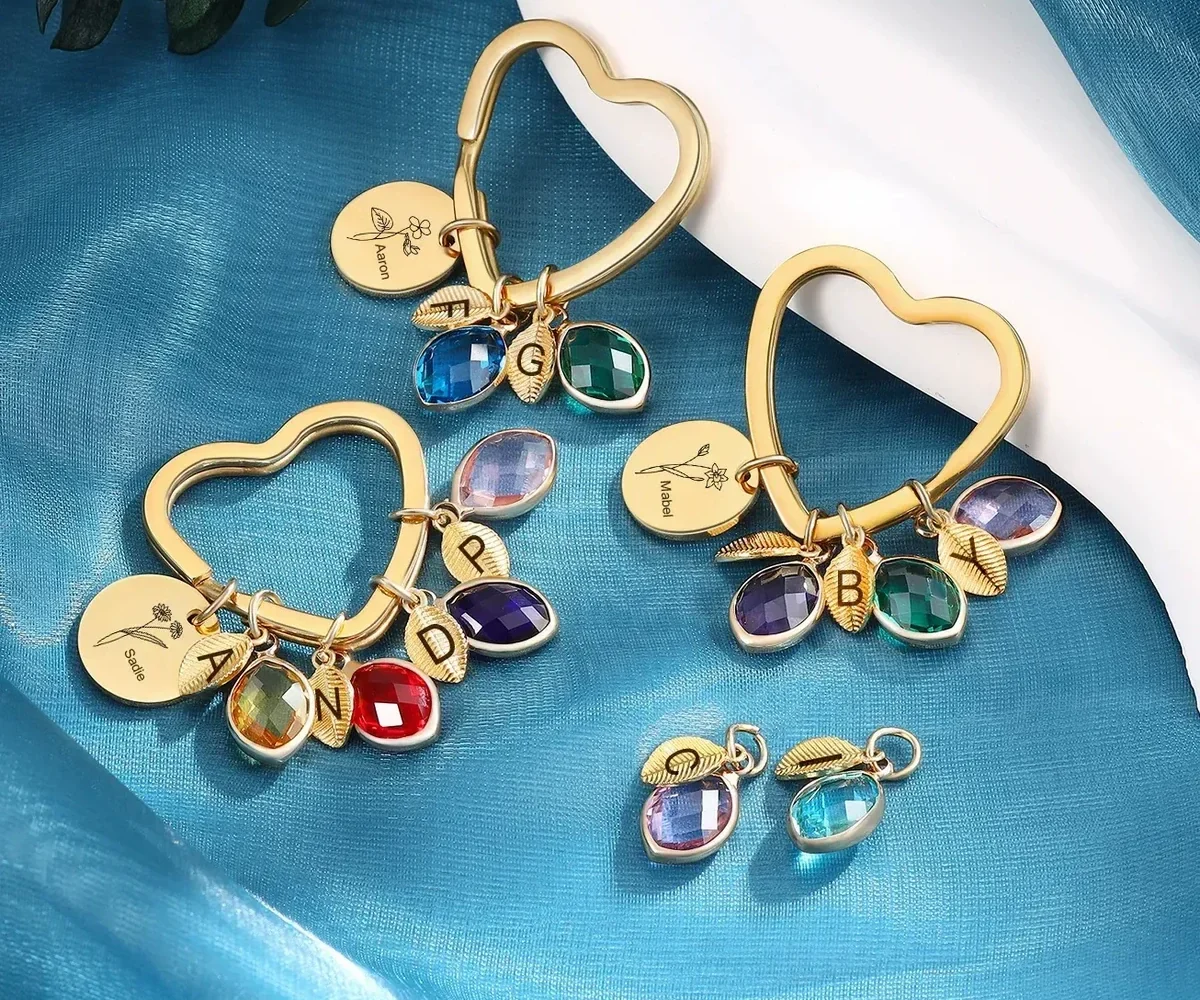
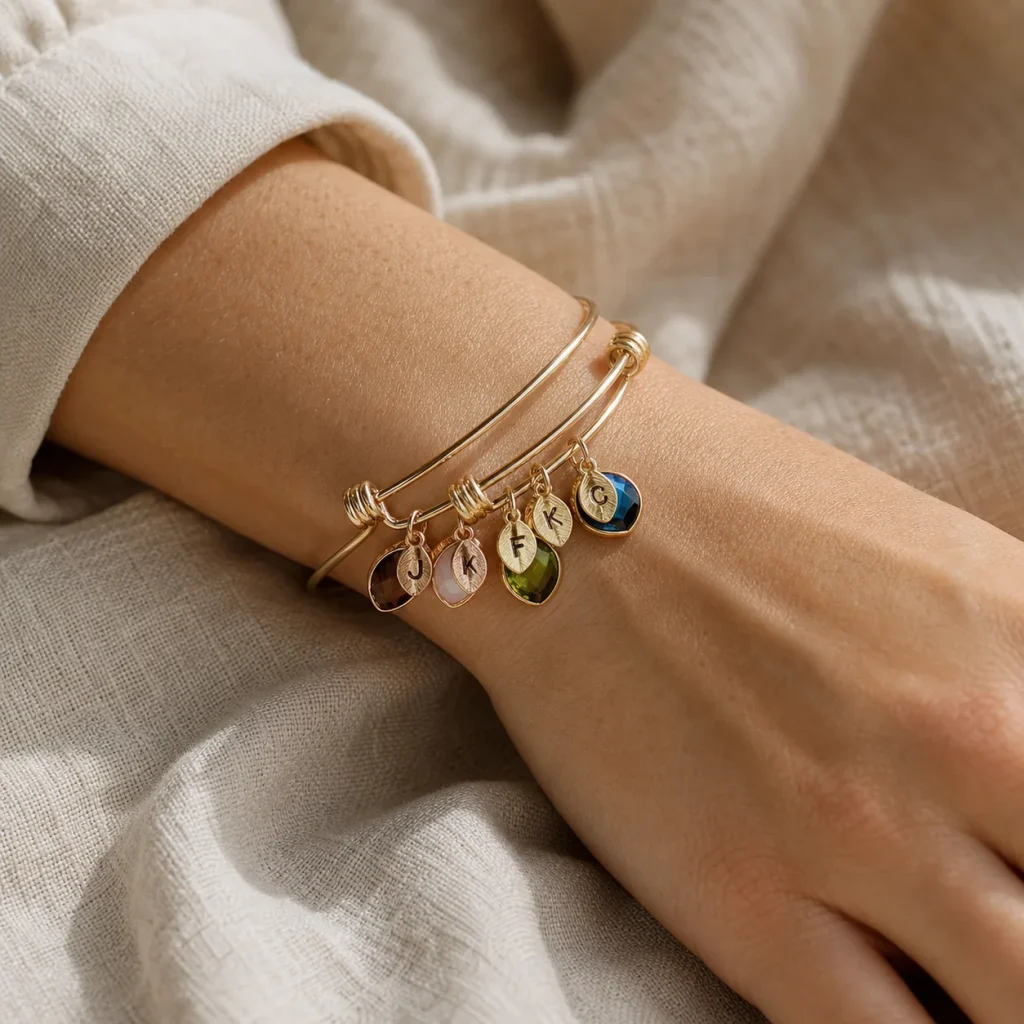
The Family Branch Birthstone Bangle offers a concrete example. It is a plated mixed-metal design available as an adjustable bangle, a round keyring, or a heart keyring. The current personalization supports one to five loved ones through engraved leaf charms and simulated birthstone selections. A central disc provides another area for a short message handled through the product’s current note workflow.
This means the personalization has several layers. The format determines whether the finished piece is worn or carried. The leaf count reflects how many people are included. Each engraved name connects a person to the story, while the corresponding month adds a color marker. You can review the current fields on the Family Branch Birthstone Bangle page before deciding whether its one-to-five-person structure fits.
The colored accents are meaningful because of the choices attached to them, not because a small color alone can explain the family. Two relatives may share a month. Some colors can look close at a small scale. Photography, lighting, and screen settings can also affect what you see online. Names and positions therefore remain important parts of the design.
Choose the month by label, not by sampled screen color
Start with a written list before touching the product form. For every person, record the exact engraving, the actual birth month, and the intended position. Then enter the month from the selector rather than comparing the on-screen color with a color swatch from another website or device.
A compact review can look like this:
- Person 1: approved name spelling, confirmed month, first position.
- Person 2: approved name spelling, confirmed month, second position.
- Continue in the same order until every selected leaf has one verified person.
- Check that the number of names and month choices matches the number of people.
- Review the format, tone, and any short note separately from the name-and-month pairs.
If a month is uncertain, pause instead of guessing. A surprise is not improved by an incorrect permanent detail. Amorieva’s explanation of how personalization works can help you separate the decisions that must be confirmed from the stylistic choices you can make for the recipient.
Decide whether a simulated accent suits the gift
Simulated birthstone jewelry can be a good fit when the recipient values a clear family symbol, likes color in small details, and prefers the month association over a gemological purchase. It may be less suitable when the recipient expects a specifically identified gem, wants documentation about a stone, or dislikes colored accents. In that case, a name-led design or another jewelry format may communicate the story more accurately.
Compare the complete piece rather than judging the accent in isolation. Consider where the names appear, how many people the design can hold, whether the recipient prefers a necklace, wrist piece, ring, or keyring, and whether the available finish tone works with what they already use. The current Amorieva shop lets you compare those structures without treating every product as interchangeable.
Care expectations also belong in the decision. Plated personalized pieces should be kept dry, removed for showering, swimming, exercise, saltwater, and chlorinated water, and protected from perfume and household chemicals. A soft lint-free cloth and separate storage are more appropriate than an aggressive cleaning routine. The full jewelry care guidance is the better reference whenever you are unsure.
Common questions
Does a simulated birthstone contain the gemstone for that month?
The term by itself does not establish that identity. Read it as a decorative month-color representation and rely on the exact material wording of the product page. Amorieva describes the relevant accents in this campaign as simulated birthstones or crystal accents, depending on the design.
What if two people have the same birth month?
Use the same month for both people and keep their engraved names and positions clear. Repetition can be accurate: the goal is to represent each person, not to force every accent to have a different color.
Will the accent look exactly like the color on my screen?
No exact screen match should be assumed. Image lighting, editing, display settings, and the small scale of the accent can change its appearance. Select the verified month label and use the name-and-position plan as the primary record.
A clearer way to make the choice
Use a simulated birthstone as one element in a personalized information system: name, month, position, format, and message all work together. Confirm the family facts first, check that the product capacity fits, and then decide whether the available color accents suit the recipient’s style. That approach gives the term “simulated birthstone” the right amount of importance—enough to understand what you are choosing, without asking it to promise something the listing never claimed.