Why Can Alexandrite Change Color in Different Light?
Learn why natural alexandrite can look different under different light, then see why a June-labeled simulated accent does not promise that gem property.
Why alexandrite changes color in different light comes down to how its crystal interacts with the mix of light produced by each source. The Gemological Institute of America describes prized alexandrite as green to bluish green in daylight or fluorescent light and red to purplish red in incandescent light. That is a property of alexandrite material—not a promise attached to every purple, green, or June-labeled accent used in personalized jewelry.
Alexandrite is one of several June birthstone traditions
June is not represented by only one named gem. The GIA June birthstone reference lists pearl, moonstone, and alexandrite. Within that group, alexandrite is the rare color-changing variety of the mineral chrysoberyl. The tradition links alexandrite with June, while gemology describes what alexandrite is and how particular specimens behave.
Those are two different kinds of information. A birthstone month is a cultural jewelry convention. Mineral identity and optical behavior are physical properties that require appropriate material identification. A shopper can use the June tradition meaningfully without assuming that every object marked “June” contains pearl, moonstone, or alexandrite.
Different light can produce a different visible balance
Daylight, fluorescent light, and incandescent light do not present the same balance of visible wavelengths. Alexandrite can respond to those different lighting conditions with a noticeably different color impression. The gem has not switched into a different mineral; the illumination and the way the material handles that illumination change what reaches the viewer’s eye.
The strength and exact colors of the effect are not identical in every specimen. GIA’s description highlights the vivid green-to-red response prized in fine alexandrite, but weaker or less precise changes also occur. Surroundings matter too: a warm wall, a cool phone screen, reflections from clothing, and camera processing can all affect a photograph. A single online image therefore cannot establish a specimen’s identity or complete behavior.
Comparing one identified specimen under controlled light is fundamentally different from comparing unrelated product photographs on two screens.
A June selector is not a gemological report
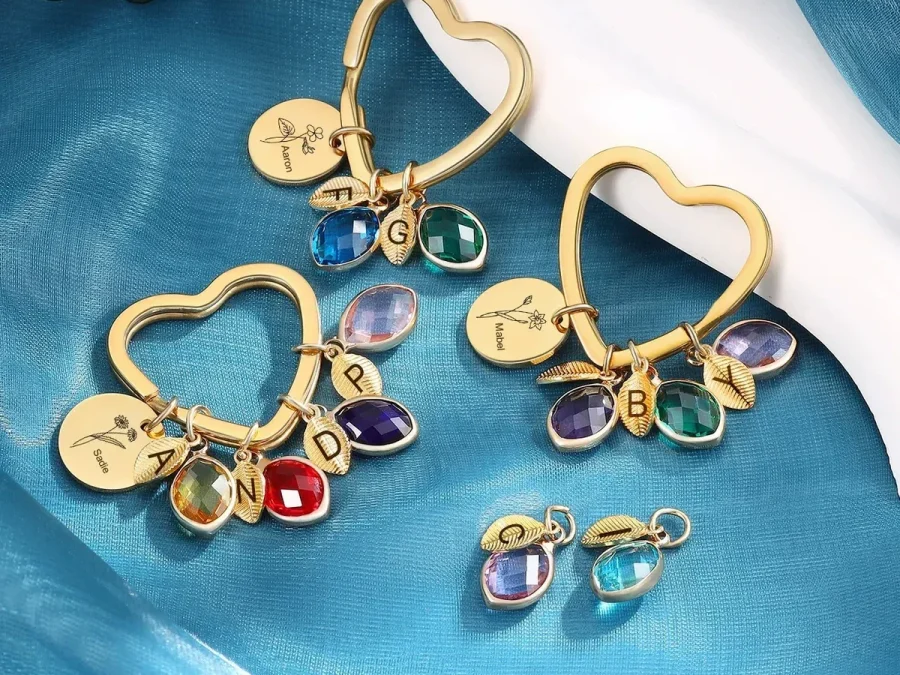
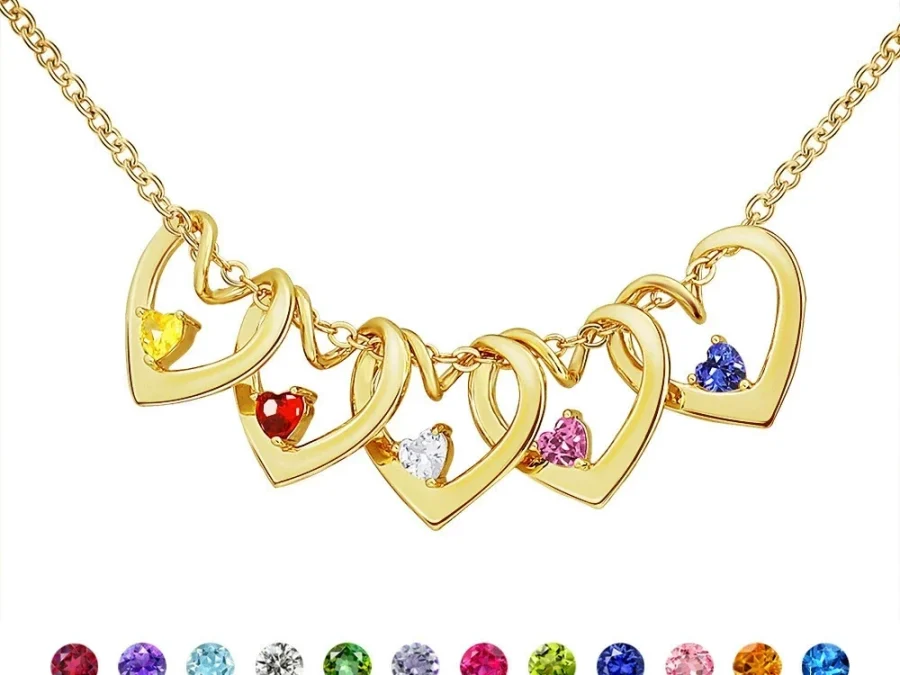
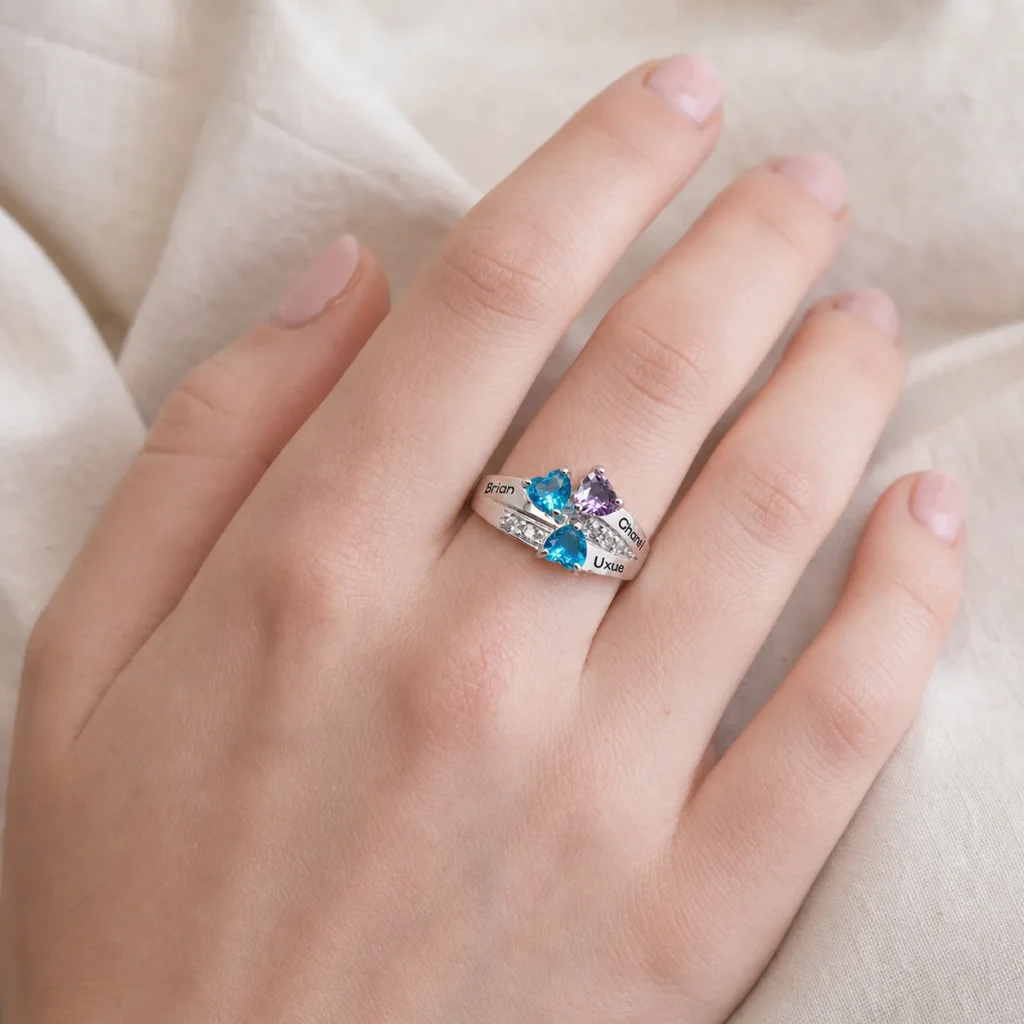
Amorieva’s current birthstone-capable designs use month-labeled simulated birthstone or crystal-style accents. Choosing June records the family month you want represented. It does not certify that the accent is natural alexandrite, pearl, or moonstone; it does not promise a laboratory-identified mineral; and it does not guarantee an alexandrite-style color change under different lamps.
This boundary prevents two common reading errors. First, a purple or green appearance is not proof of alexandrite. Second, a simulated June accent that looks similar in several lighting conditions is not “defective” merely because natural alexandrite is known for color change. The selector’s job is to map a month into a personalized layout, not to reproduce every physical property associated with a natural June gem.
Use the month label as the dependable family key
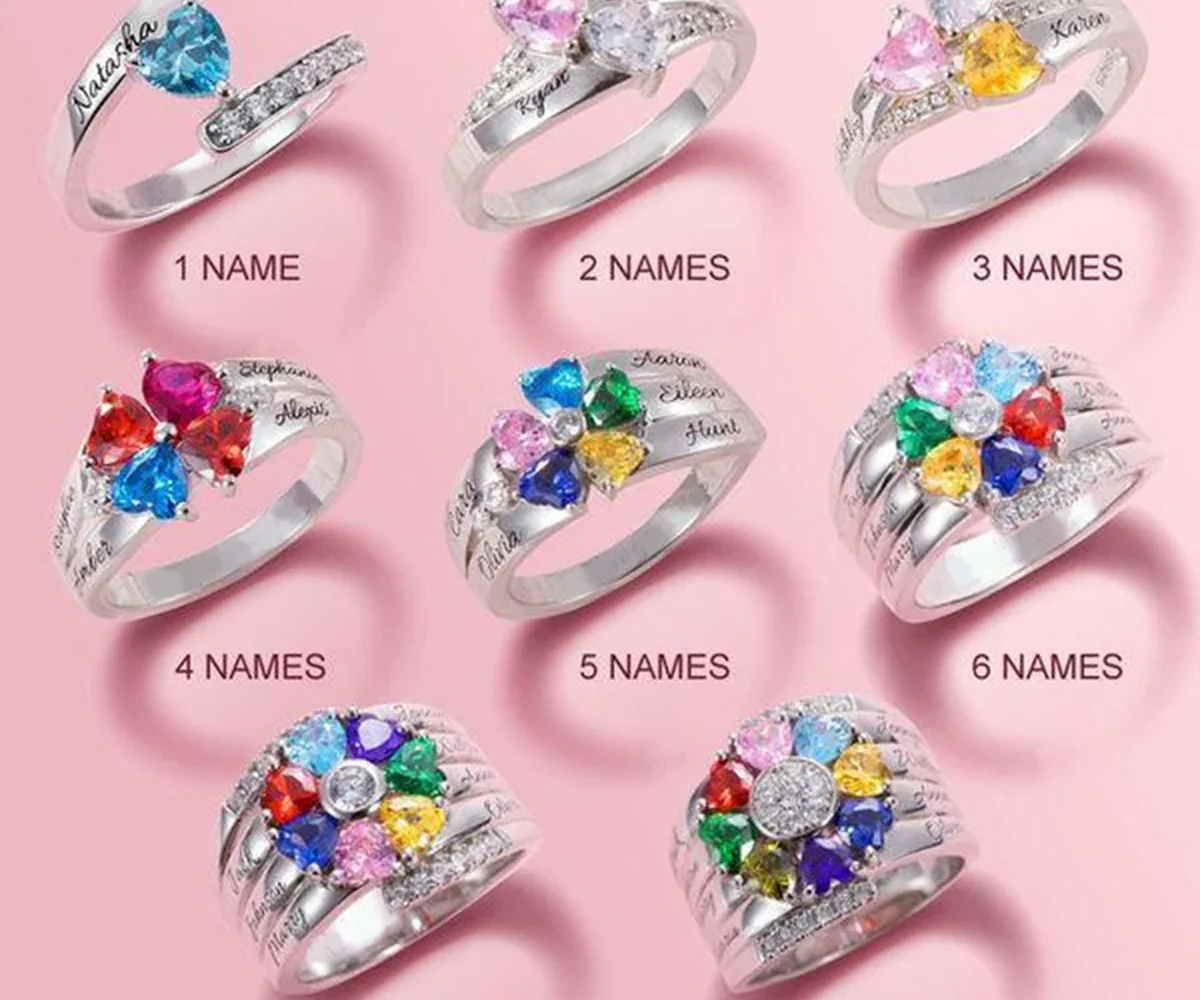
The Family Constellation Name Ring currently supports one to eight simulated birthstone selections, a name or short engraving, and fixed US ring sizes 6 through 10. It does not offer a customer-selectable gold, silver, or rose-gold finish field. For a June family member, the reliable ordering information is the selected month and its assigned position—not an expectation that the small accent will perform like a natural alexandrite specimen.
Before ordering, make a written map: person, verified spelling, birth month, and intended position. If two people share June, repeat June rather than substituting another month simply to vary the color. The family birthstones by month guide can help check the month labels, while the product page remains the authority for current capacity and available fields.
Evaluate the jewelry you are actually ordering
Judge a personalized piece on its stated construction, supported options, layout, and care needs. Do not transfer natural-alexandrite care instructions or market-value language to a simulated accent. For the plated Family Constellation ring, keep the piece dry, avoid perfume and household chemicals, wipe it gently, and store it separately as described in Amorieva’s care guidance.
A practical final review has four checks: the ring size is confirmed; each name is spelled as intended; the number of accents matches the family list; and each selected month is assigned correctly. The personalization overview explains why those submitted details matter for a made-to-order piece.
Common questions
Does every natural alexandrite change from green to red?
No. Color-change strength and appearance vary. GIA describes green to bluish green in daylight or fluorescent light and red to purplish red in incandescent light as the prized response, not a uniform result guaranteed for every specimen.
Is a June-labeled Amorieva accent natural alexandrite?
No such claim should be inferred. Amorieva describes these selectable elements as simulated birthstone or crystal-style accents. The June label represents the chosen birth month rather than a natural-gem authentication.
Should I test a personalized ring under several lamps?
You may notice ordinary differences caused by lighting and surroundings, but that observation cannot identify the material. Use the month selection and order record to confirm the family mapping, and use a qualified gemological service for questions about an independently purchased alexandrite specimen.
Alexandrite’s light-dependent color is a fascinating gemological property. In personalized family jewelry, the more useful promise is narrower and clearer: a verified June selection can mark the right person without pretending that a simulated accent is alexandrite.