Personalized Jewelry for Co-Parents: Keep the Child’s Story Clear
Plan personalized jewelry for co-parents with one verified child record and two independent recipient briefs for format, name order, tone, and daily wear.
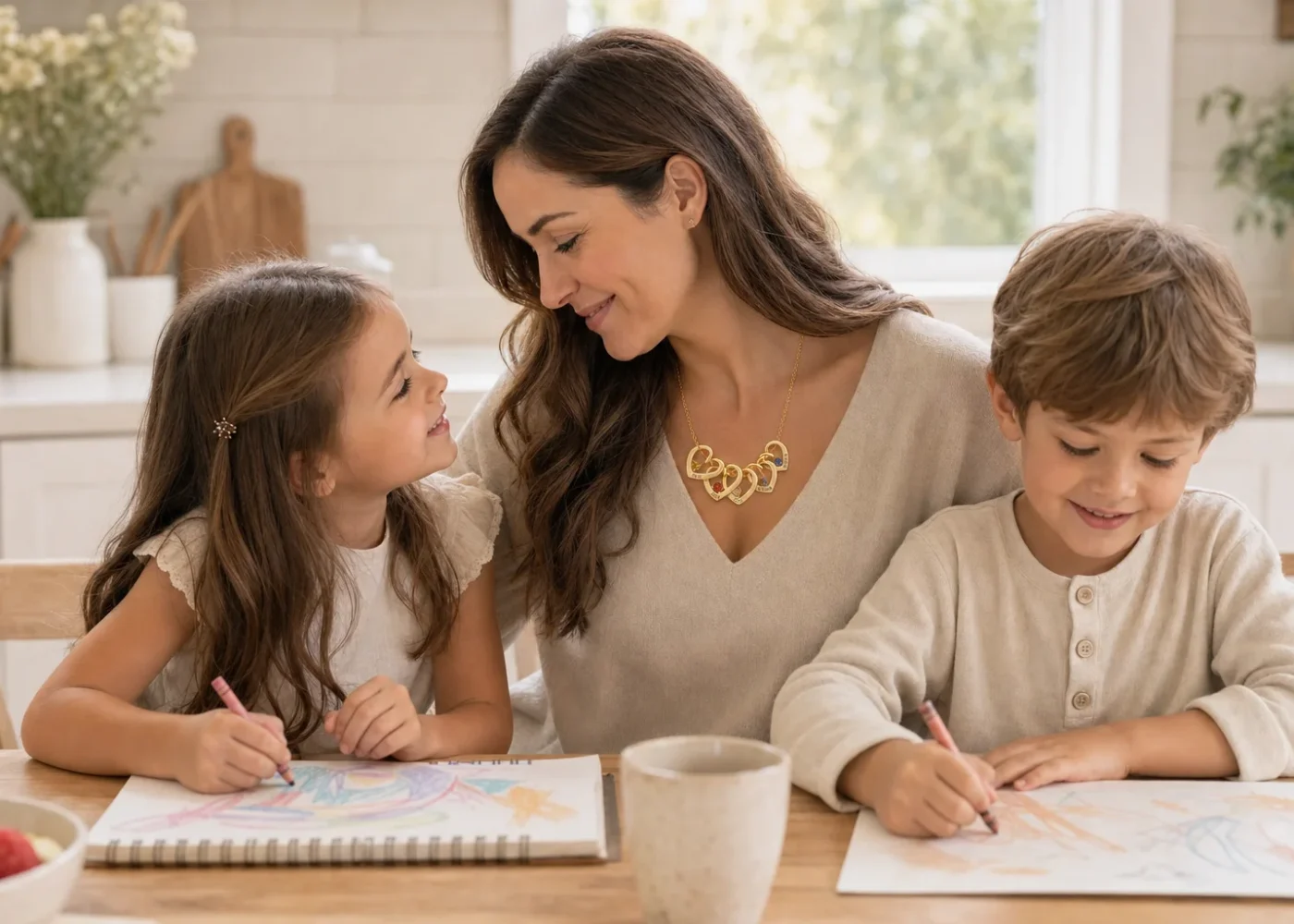
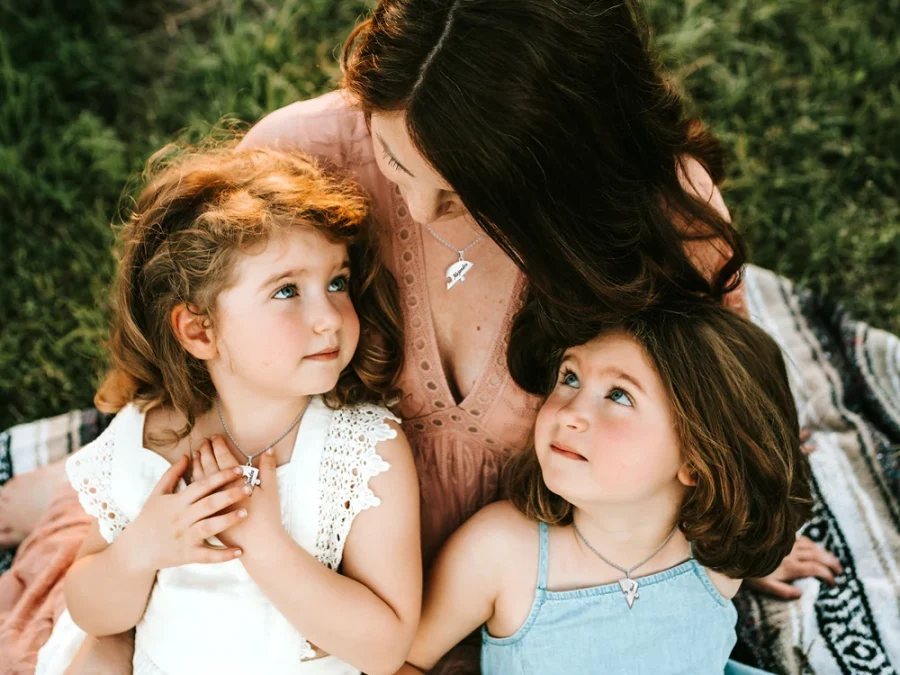
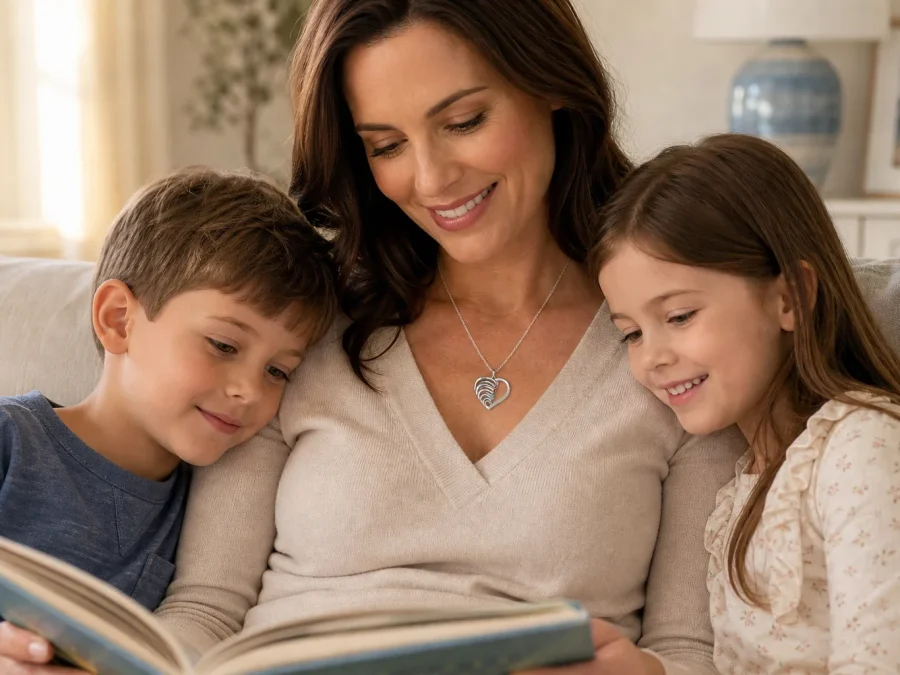
Personalized jewelry for co-parents should begin with one verified record of the child’s name and birth month, followed by two independent recipient briefs. Sharing parenting responsibilities does not mean the adults are a couple, want matching jewelry, use the same family name, or prefer identical formats. Reuse confirmed child facts, but confirm each wearer’s name order, tone, format, and level of personalization separately.
Create one shared facts sheet
Record information that should remain consistent: the child’s approved display name, spelling, capitalization, and confirmed calendar birth month. If several children are included, use one numbered row per child and agree on a neutral order such as oldest to youngest.
This sheet should not include assumptions about the adults’ relationship. Avoid couple language, anniversary dates, or a shared surname unless both people explicitly choose them. The gift can honor co-parenting without defining the relationship beyond that role.
Build two independent recipient briefs
For each co-parent, answer separately:
- Do they wear necklaces, bracelets, rings, or no jewelry regularly?
- Would they want their own name included or only the children?
- Which finish tones appear in pieces they actually use?
- How visible do they like personal details to be?
- Does the available product capacity fit their chosen list?
Do not copy one brief into the other after answering only the shared child rows. Matching pieces are appropriate only when both recipients want that relationship between the designs.
Use separate approval columns so one adult does not speak for the other’s style or chosen name form. A coordinator may verify the child’s details once, but each recipient preference should have its own source. If either brief remains incomplete, that order should pause independently.
Use a flexible one-to-five-person structure carefully
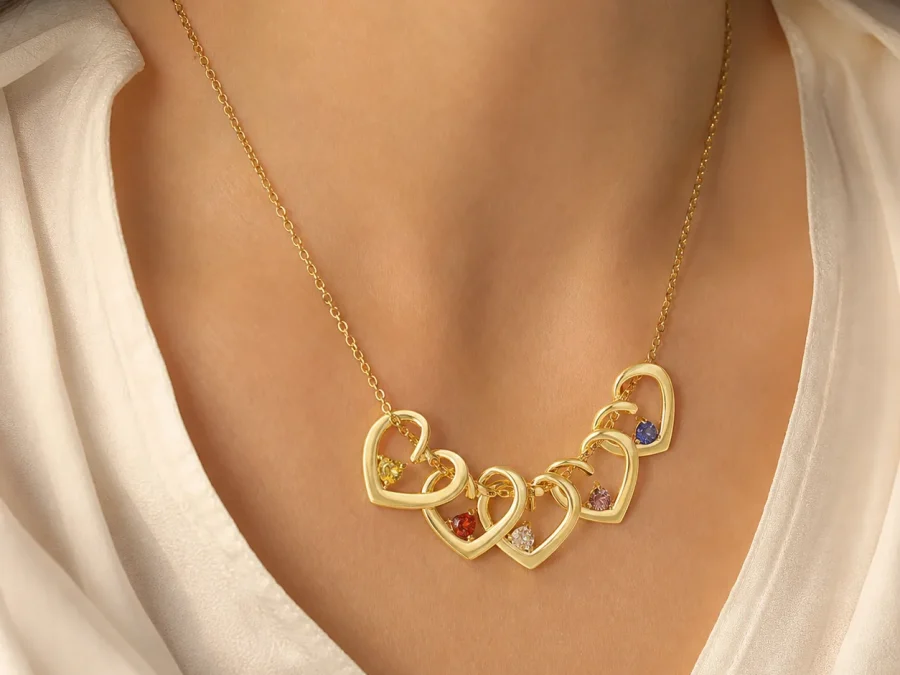
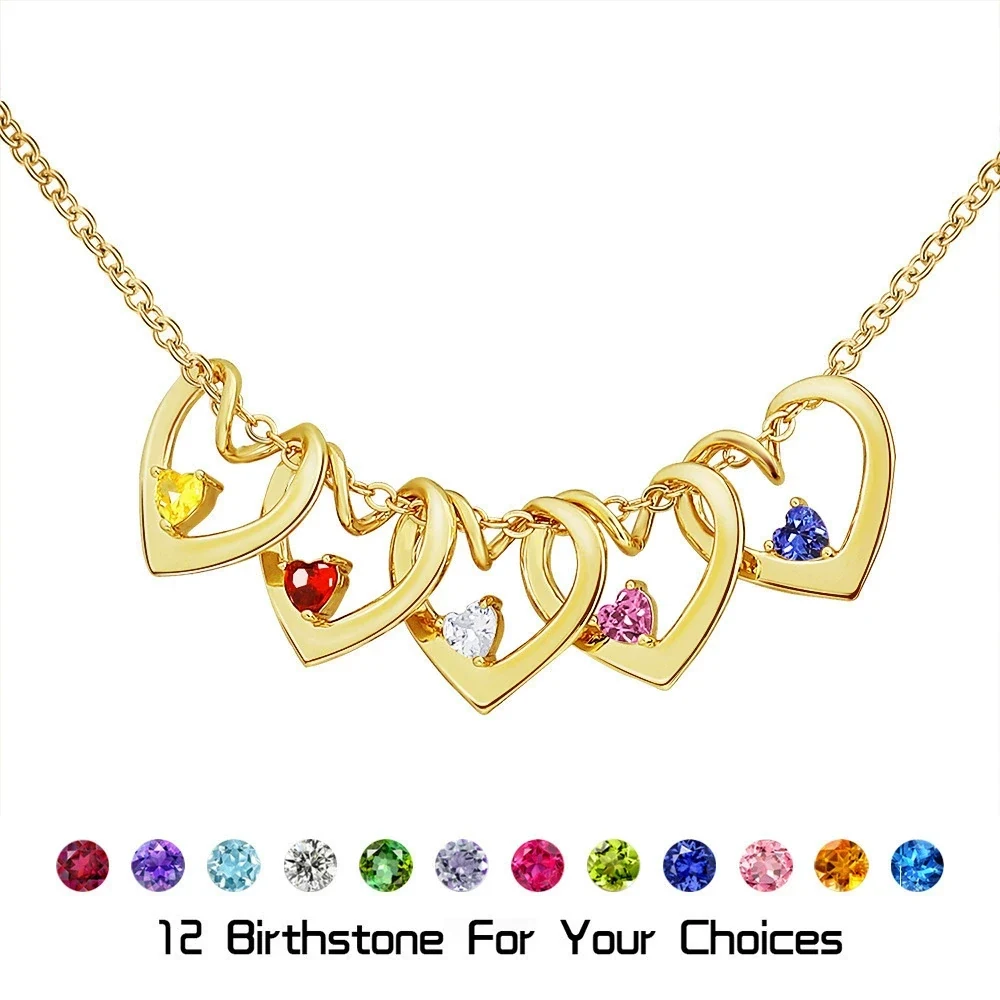
The Twisted Heart Birthstone Necklace currently supports one to five loved ones, with each engraved name paired to a simulated birthstone selection. It can be ordered in necklace or bracelet format and offers Gold Tone, Stainless Steel Tone, and Rose Gold Tone.
One co-parent might choose a necklace with the children’s names. The other might prefer the bracelet format or a different product altogether. Both orders can use the same verified child spelling and months while differing honestly in tone, format, and whether the adult’s own name is included.
If a co-parent does not wear heart motifs or birthstone colors, compare a name-only or carried format through the Amorieva collection. The family fact sheet should not force both recipients into the same product.
Consider a concrete example: both adults approve the same two children and months. One wears necklaces and chooses the two names on a heart pendant; the other carries a keyring and prefers separate leaf elements. The family facts match, while the products and visual order can remain appropriate to each person.
Keep order and language neutral
Choose a child-order rule that does not place one adult “first” in the shared story unless the recipient specifically wants their own name included. When the product is only about the children, start with the children. When another family member is included, explain the rule in the private plan rather than assigning emotional rank to position.
Use “co-parent,” the person’s chosen role, or no relationship label in the planning record. Do not engrave a parental title unless the wearer approves it and the current field supports the intended text.
Coordinate without sharing private preferences
One organizer can maintain the shared child facts while keeping each recipient brief separate. This reduces accidental disclosure if the gifts are surprises. The organizer should still obtain reliable evidence for each style choice rather than assuming coordination requires sameness.
Label the submitted records “Recipient A” and “Recipient B” and check them independently. Copy-and-paste is useful for verified child spelling, but it can also carry over the wrong tone, format, adult name, or address. Review every product-wide field after the shared rows are copied.
If one order is ready before the other, let it proceed only when separate delivery and presentation will not create pressure or imply that the second person must choose the same design. Coordination should improve accuracy, not make either gift conditional on the other’s preferences.
Use Amorieva’s personalization process for each order independently. If a field or name format is unclear, check the current personalization FAQ before copying it to both orders.
Common questions
Do co-parent gifts need to match?
No. Shared child details can create connection while each person’s format, tone, name list, and wearing style remain independent. Match only the aspects both recipients would welcome.
Should both adults’ names appear?
Confirm separately. One wearer may want only the children’s names, while another includes their own. Do not infer the same family narrative for both pieces.
What if one co-parent does not wear jewelry?
Choose a current keyring-capable design or another non-wearable gift rather than treating jewelry as required. The co-parenting story can be honored through different formats.
Share facts without flattening two people
Good co-parent personalization preserves what is genuinely shared—the children and their verified details—while respecting two separate adults. Build one accurate child record, two real recipient briefs, and two independently proofread orders. Connection then comes from the story, not from forced matching.