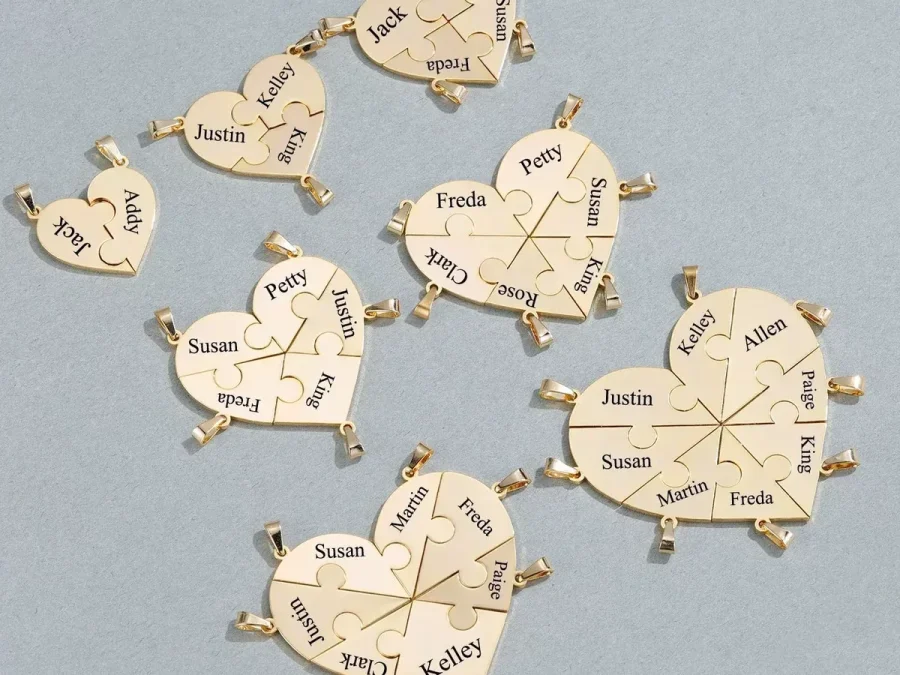
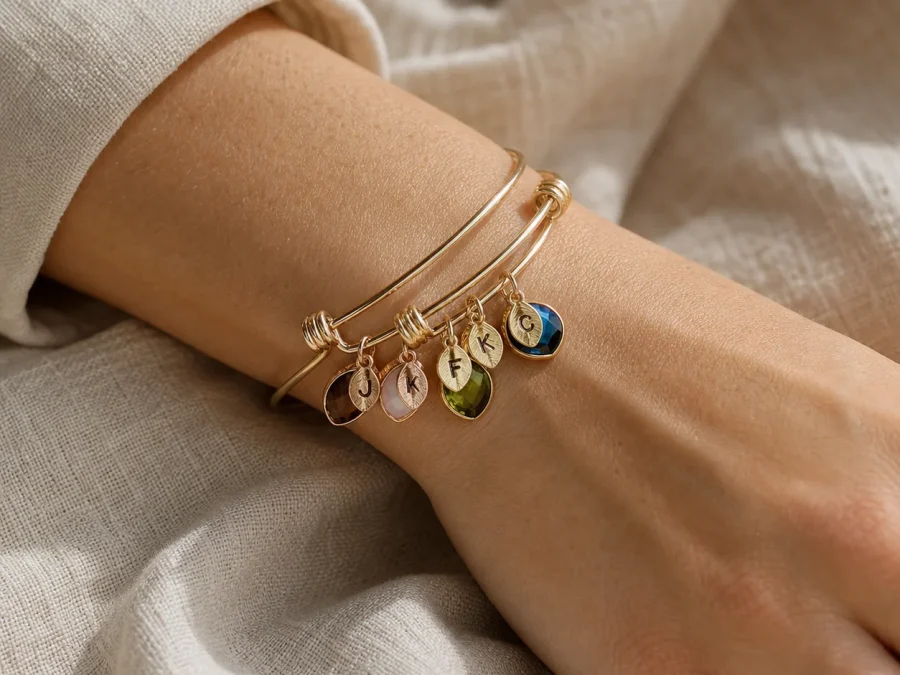
How Amorieva Labels Editorial Jewelry Images
Learn how Amorieva labels illustrative editorial scenes, what those labels disclose, and where the brand verifies actual product and option facts.
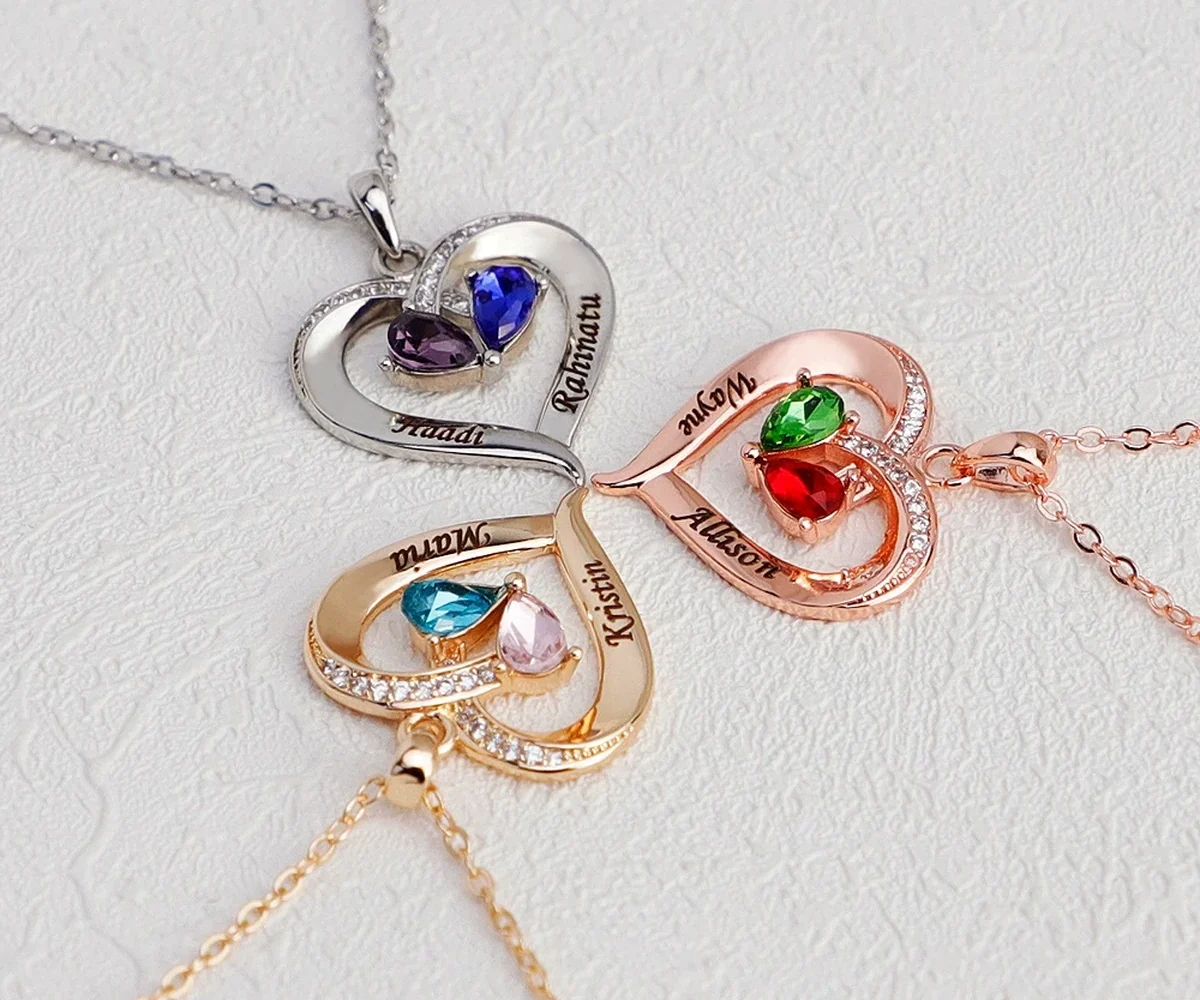
Amorieva labels illustrative jewelry images as editorial scenes so they are not mistaken for customer photographs, reviews, or records of exact orders. The disclosure belongs in the image’s caption, descriptive alt text, and nearby editorial context. When a page states a product material, measurement, or available option, that fact must come from the current product record or option guide—not from the people, setting, or styling in an editorial scene.
“Editorial scene” is a disclosure, not a testimonial
An Amorieva editorial scene is created to support a story about family, gifting, or a possible wearing context. The label tells readers that the scene is illustrative. It does not claim that the pictured people bought the jewelry, received a completed order, submitted a review, or agreed to serve as evidence for a product result.
This boundary applies even when an image feels candid or emotionally specific. A natural expression, home-like setting, or family interaction does not become a customer story through appearance alone. Amorieva should identify a customer experience only when there is separate, verifiable authorization and context for that claim.
The editorial label also prevents a fictional biography from forming around the image. The page should not assign names, occupations, family histories, purchase motives, or quotations to the people shown. The scene can illustrate a general relationship idea without pretending to document someone’s life.
The disclosure should appear with the image
A visible caption is the clearest place to state that a scene is editorial or illustrative. It reaches readers at the moment they encounter the image and explains the evidence boundary in ordinary language. The wording should remain direct: “editorial scene” or “illustrative editorial image” is more useful than a vague phrase such as “for inspiration.”
Descriptive alt text provides the same essential context for people using screen readers or when an image does not load. Amorieva editorial-scene alt text identifies the image as editorial while still describing the relevant visual content. Alt text is an accessibility description, however, and should not be treated as a hidden substitute for a useful visible caption.
Nearby copy should remain consistent with both. If the caption says a scene is illustrative, the article must not later call the people “customers,” quote their supposed reaction, or describe the jewelry as their delivered configuration. The label and the prose form one disclosure record.

What the editorial label deliberately rules out
An editorial scene is not evidence of a verified buyer, testimonial, star rating, sales result, or product popularity. It cannot establish that the wearer prefers the design, uses it daily, found it comfortable, or recommends it to another shopper. Amorieva does not convert visual mood into social proof.
The scene is also not an exact-order record. Names may be unreadable, generalized, or arranged for illustration. A colored detail in the image does not confirm a submitted birth month. The apparent finish, scale, or wearing position may be affected by lighting, perspective, styling, cropping, and display conditions.
For the same reason, an editorial image cannot establish metal composition, stone identity, chain measurement, weight, clasp construction, durability, or care performance. Those are documented product questions. The editorial label makes clear that the image has not been assigned authority over them.
Product facts return to a documented source
When an editorial scene features the design associated with the Two-Tone Teardrop Story Necklace, the current product page remains the source for what can be ordered. Its documented structure includes two names and two simulated birthstone selections, three plated tone choices, and a crystal-set or smooth engraved heart option. The construction record—not the family scene—supports the material wording.
An option guide can clarify the currently documented choices, but it still works with the live product form. If an editorial scene appears to suggest an extra name, a different finish, or another unlisted feature, Amorieva does not promote that appearance into a purchasable field. The current page and selector control.
The same source hierarchy applies across the current Amorieva collection. Editorial scenes disclose context; product pages document the individual design; option guides organize verified choices; policy and care pages govern their own subjects. Keeping those sources separate prevents one attractive image from becoming evidence for unrelated claims.
Labels must survive revisions and reuse
If an editorial image moves to another article or its caption is rewritten, the disclosure should move with it. Cropping a scene, changing nearby copy, or using it as a featured image does not turn it into customer evidence. The new placement must preserve an accurate editorial label and avoid claims unsupported by the source record.
When a product field changes, Amorieva should update the product facts and any affected option guidance. The editorial scene can remain illustrative only if its new context does not imply an unavailable configuration. A label does not excuse contradictory product copy.
Readers who find an image description unclear can use the current Amorieva FAQ to identify the relevant product or support route. A useful question names the page and asks whether the concern is about the editorial label or a current product field. The personalization overview remains the source for how documented choices enter an order.
Common questions
Are people in an editorial scene Amorieva customers?
The editorial label does not identify them as customers. Do not infer a purchase, review, or verified buyer relationship unless the page supplies separate explicit evidence.
Does an editorial label mean the pictured design is unavailable?
No. “Editorial” describes the scene’s evidentiary role, not inventory status. Check the current product page and live fields to determine what is available.
Can an editorial scene confirm an exact material or size?
No. Materials, measurements, and options must come from current written product documentation. Lighting and composition in an illustrative scene are not technical specifications.
Clear labels protect the meaning of the image
An editorial image can add warmth without borrowing trust from an invented customer story. Amorieva’s disclosure policy is straightforward: label the scene where readers encounter it, preserve that label in accessible text and reuse, and return every product claim to its documented source. That keeps illustration useful while making its limits visible.