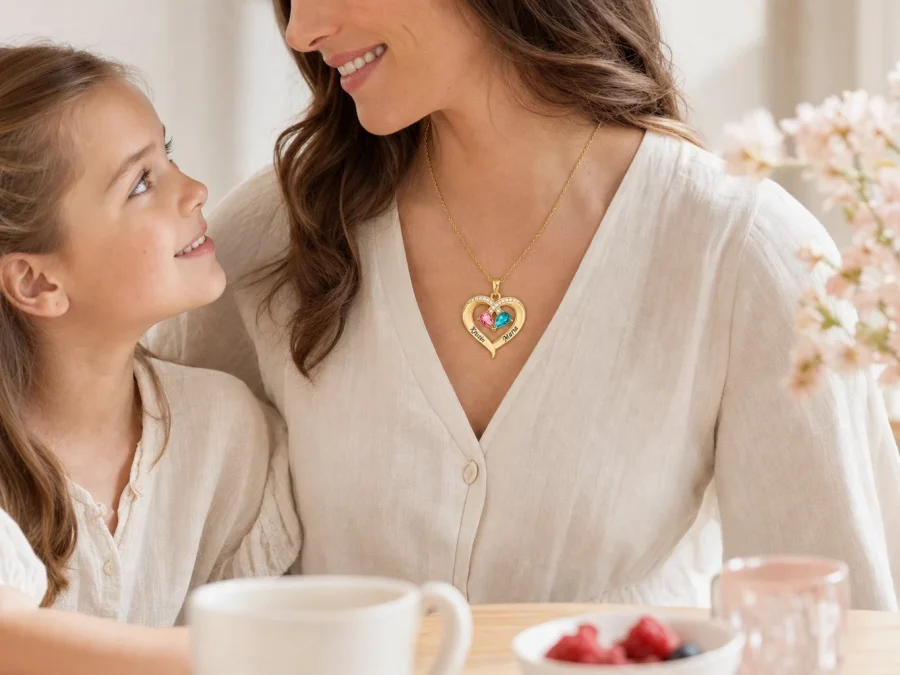
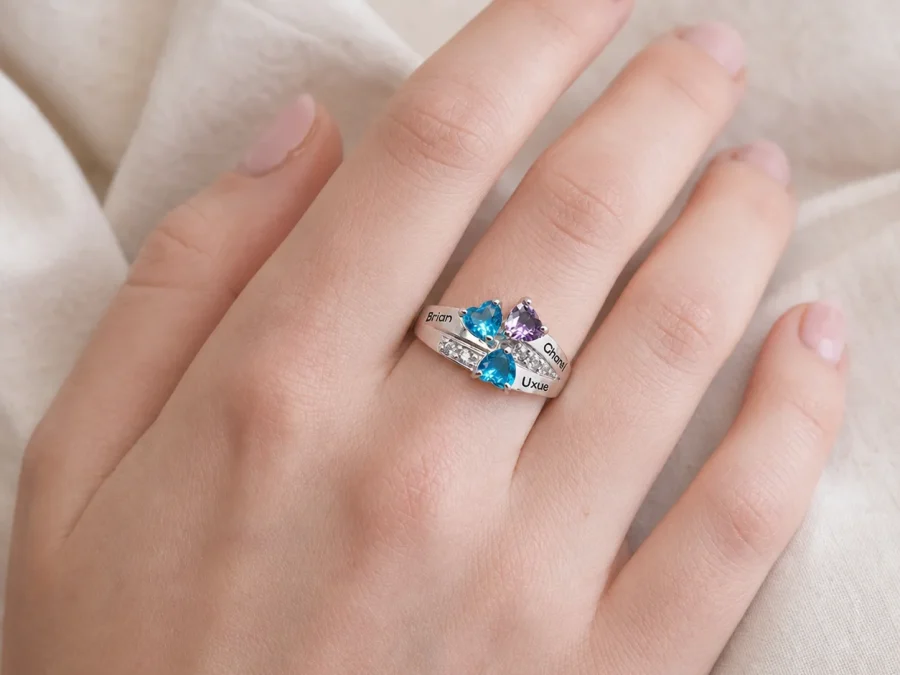
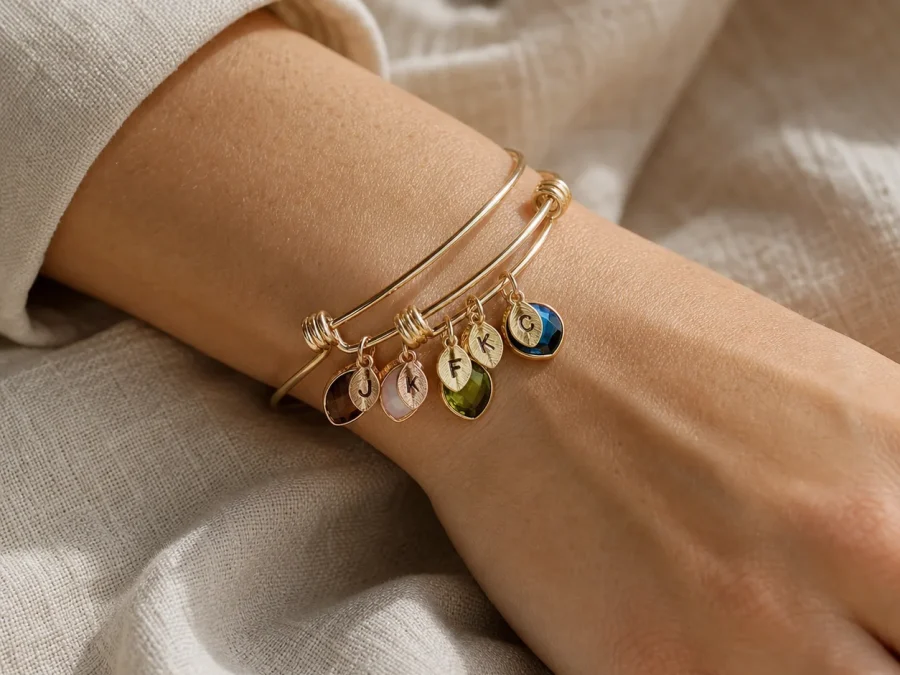
Bracelet or Necklace for Mom? Choose for Her Daily Routine
Compare a bracelet and necklace for Mom through her actual routine, preferred visibility, existing jewelry, personalization needs, and care habits.
In a bracelet vs necklace choice for Mom, her daily routine should decide the format before the heart shape, tone, or birthstone colors do. Choose a bracelet when she already enjoys visible wrist details and can remove it when activities demand it. Choose a necklace when she prefers jewelry that stays away from her hands, works with her usual necklines, and fits the way she layers—or does not layer—chains.
Start with evidence from a normal week
Think about what she wore during the last several ordinary days, not only at a celebration. Did she reach for a watch or cuff? Did she wear a small pendant? Did she remove wrist jewelry for work, cooking, exercise, or childcare? Did a necklace stay on under several different tops?
Existing habits are stronger evidence than a generic gift rule. A mother who never wears wrist pieces may not begin simply because a cuff is personalized. Someone who regularly checks and adjusts a pendant may enjoy a necklace that keeps the family story close to her line of sight in a mirror. Neither format is automatically more practical.
If you need to compare the complete range rather than start with one silhouette, browse the current Amorieva personalized jewelry collection. Note which categories resemble what she already owns, then narrow the list by personalization capacity.
Compare movement and contact
A bracelet or cuff moves with the forearm and sits near desks, sleeves, bags, and hand activity. That visibility can be a benefit: engraved ends or charms are easy for the wearer to notice. It can also mean more contact during a busy day. Consider whether she types for long periods, wears gloves, works with her hands, or routinely stacks a watch and several wrist pieces.
A necklace is less involved in hand movement, but it interacts with collars, scarves, hair, other chains, and the neckline of a uniform or favorite shirt. A pendant that looks open against one neckline may disappear under another. If she regularly layers necklaces, compare chain lengths and pendant scale before adding another focal point.
Use a seven-day observation, if possible. Record “wrist,” “neck,” “both,” or “neither” without commenting on it. The pattern will often reveal the easier choice while preserving the surprise.
Let the number of people narrow the format
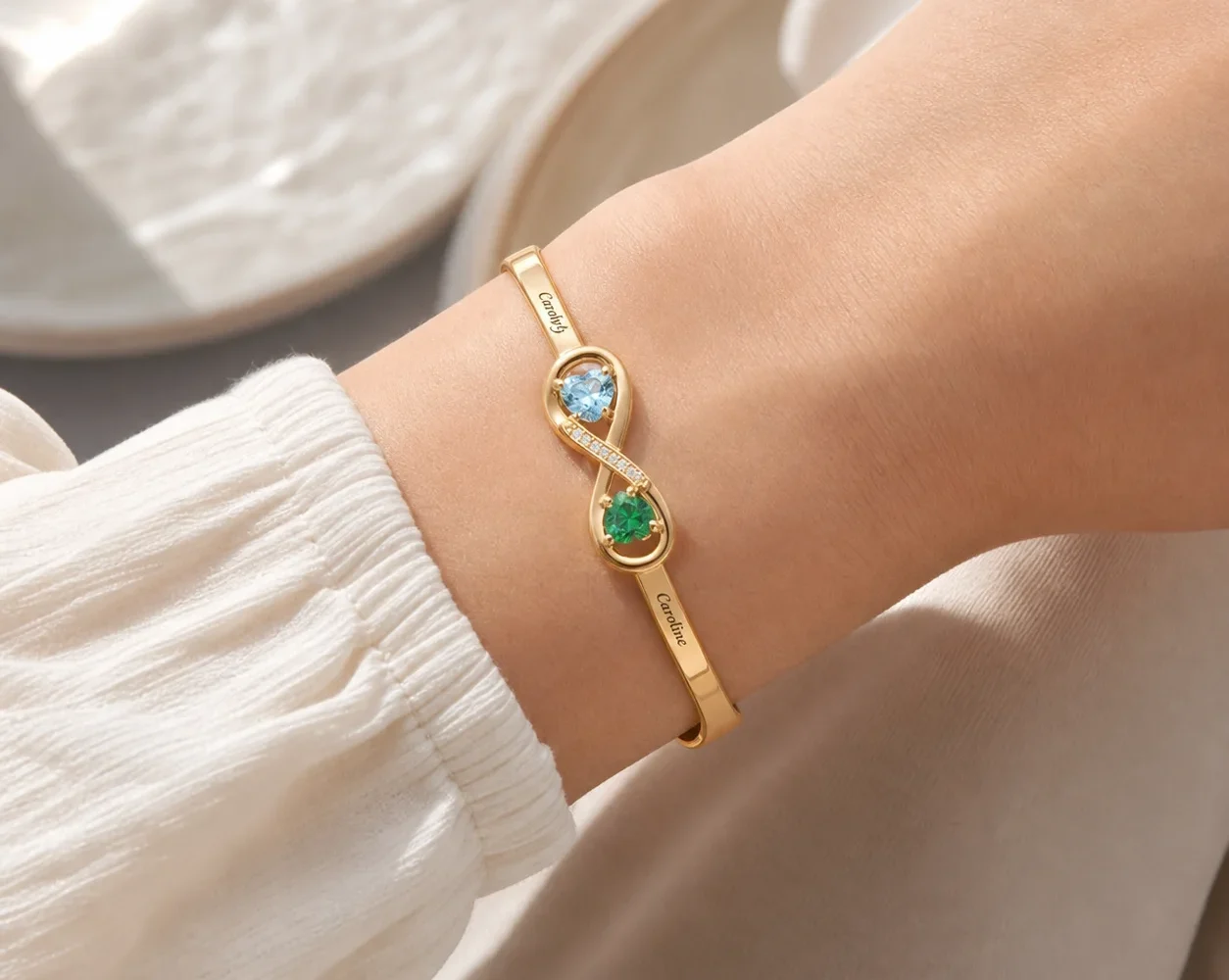
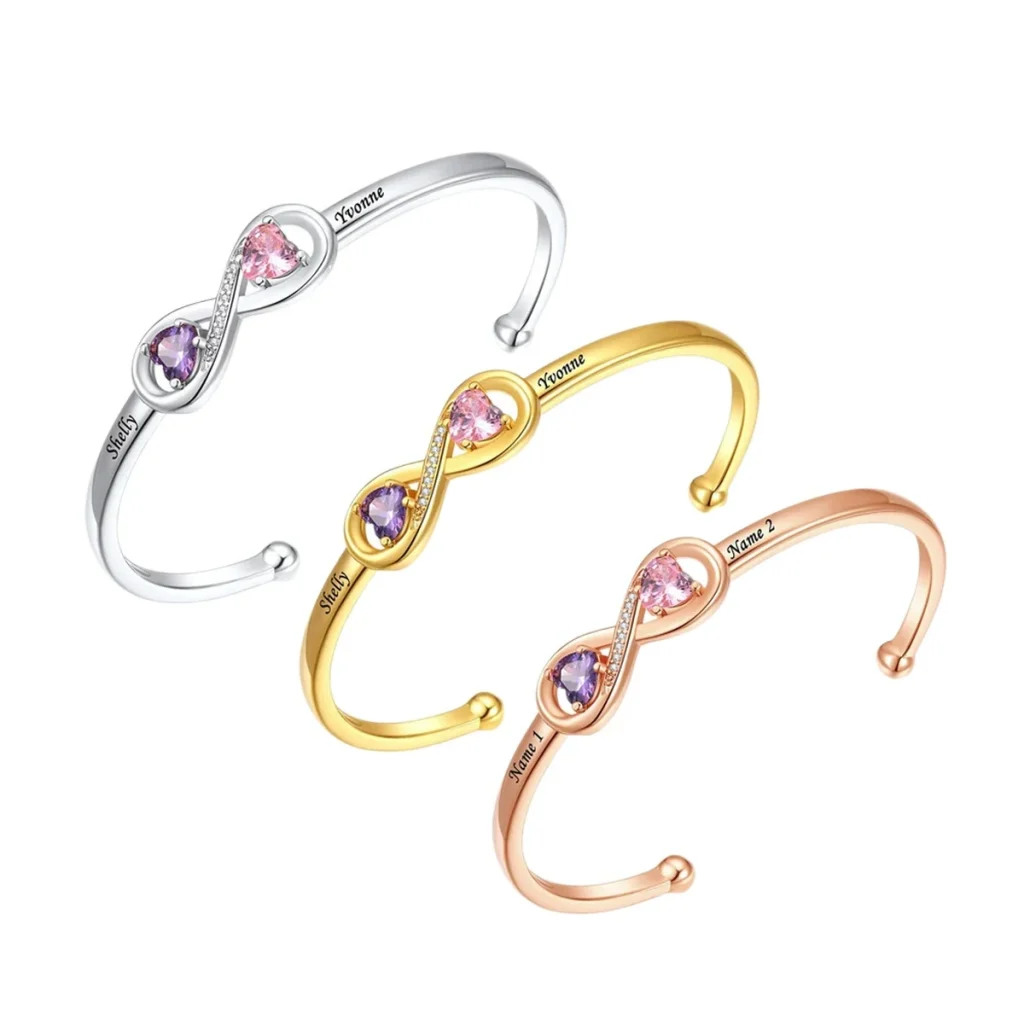
Personalization requirements can settle the decision quickly. The current Open Heart Birthstone Cuff is designed for exactly two loved ones, with two engraved names and two simulated birthstone selections. Its plated copper-base construction uses an open, adjustable cuff shape. Review the confirmed fields on the Open Heart Birthstone Cuff page.
That structure can fit a mother-and-child pair, two children, or another accurately defined pair. It is not the right capacity when the story requires one person, three children, or a larger family. In those cases, a different wrist or necklace design may fit better. The Twisted Heart Birthstone Necklace, for example, currently supports one to five loved ones and is offered in necklace or bracelet format.
Capacity should be factual, not aspirational. Write the names first, count them once, and choose a product whose present fields match. Do not omit someone important merely to force a preferred silhouette.
Use a two-column routine test
Draw two columns labeled “wrist” and “neck.” Score each statement only if it is true for the recipient:
- She already wears this jewelry type at least weekly.
- The format works with her work clothing and most common sleeves or necklines.
- She is comfortable removing and storing it before water, exercise, or household tasks.
- Her existing watch, cuffs, or necklaces leave visual and physical room for another piece.
- The available design supports every confirmed name and month without filler.
If the scores are close, visibility can be the tie-breaker. Wrist personalization is often seen by the wearer during the day. A necklace is often more visible to other people when it sits above a neckline. Ask which kind of presence suits her: a frequent private glance or a central part of an outfit.
Plan care as part of everyday suitability
Both formats need a realistic removal routine. Current Amorieva care guidance says to keep plated personalized jewelry dry; remove it for showering, swimming, exercise, saltwater, and chlorinated water; avoid perfume and household chemicals; wipe gently with a soft lint-free cloth; and store separately.
A bracelet may be easier to remember when washing hands, but it may also be exposed more often. A necklace may avoid sinks while encountering perfume, lotion near the neckline, or exercise moisture. Give Mom a routine she can actually follow and keep the jewelry care instructions accessible rather than treating care as an afterthought.
Common questions
Is an adjustable cuff the same as a one-size bracelet?
No. “Adjustable” describes the open-cuff structure, not a promise of identical comfort on every wrist. Check the current dimensions, compare them with a wrist piece she already wears, and avoid repeated aggressive bending when putting it on or taking it off.
What if Mom wears both bracelets and necklaces?
Use the personalization and wardrobe as tie-breakers. Count the people the design must represent, note whether she has room beside a watch or among layered chains, and choose the format with the clearest everyday role.
Can the same family story work in either format?
Sometimes, but the available fields differ. The AM-BR-202 cuff is fixed at two names and months, while other Amorieva designs support different counts and structures. Review how current personalization choices are submitted before assuming the details transfer unchanged.
Choose the place the story will actually be worn
The better gift is the format Mom is likely to use in her real life. Observe her habits, account for movement and clothing, confirm the number of names and months, and plan a workable care routine. A two-person open cuff can be a focused answer for a regular wrist wearer; a necklace can be more natural when her hands stay busy or pendants already anchor her outfits.