Are Birthstones Gendered? Month Traditions and Personal Style
Birthstones are month traditions rather than gender categories. Choose a family gift through the recipient's format, tone, and wearing preferences.
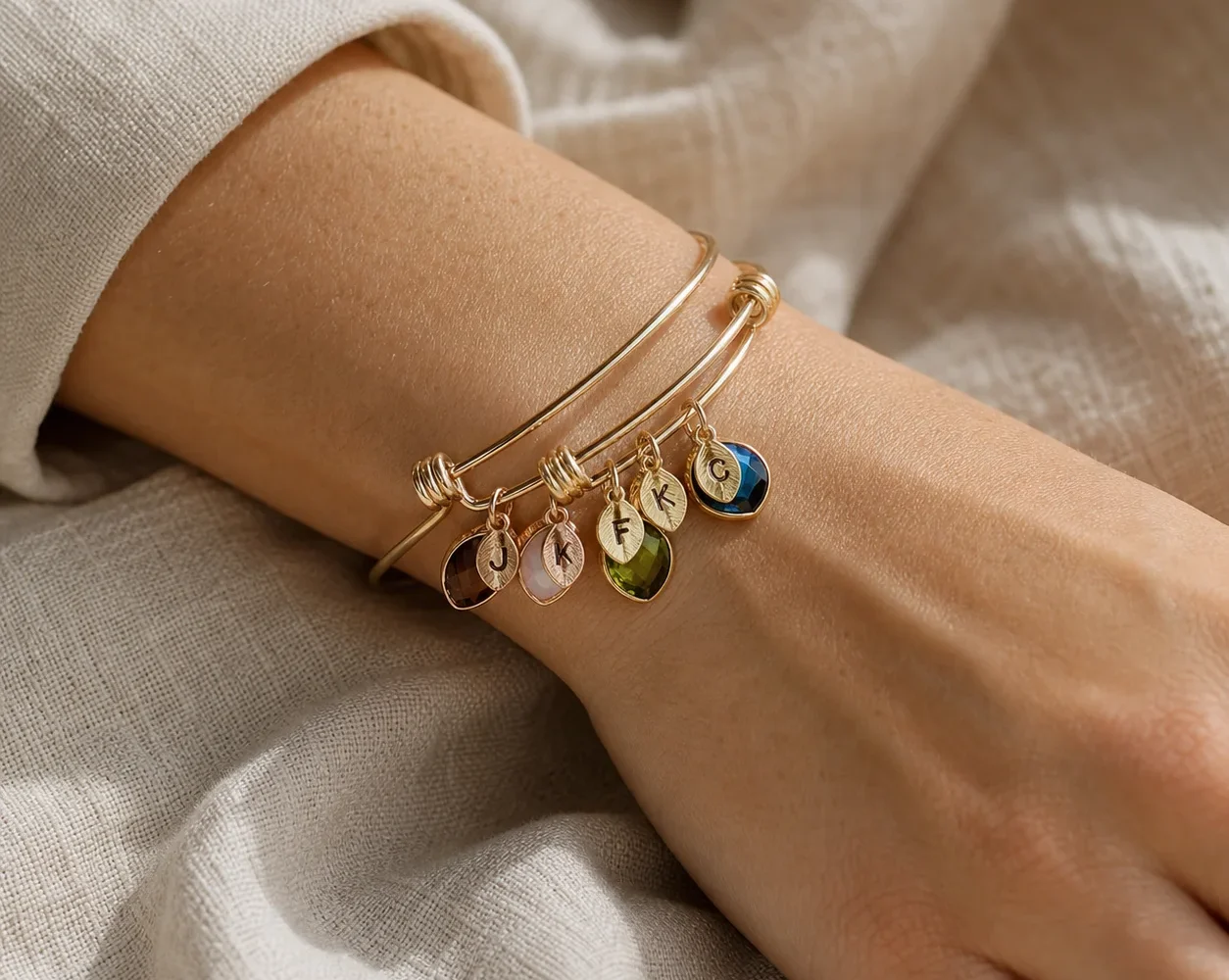
Birthstones are not inherently gendered. They are month-based traditions that people of any gender may use, ignore, or reinterpret. The colored accent represents a calendar month; it does not prescribe who can wear it or what style that person should prefer. When choosing family jewelry, let the recipient’s actual habits determine the format, tone, and level of detail.
Month traditions do not assign a wearer
The Gemological Institute of America presents birthstones by month, not by gender. The basic question is which calendar month a person was born, although recognized stones and alternatives can vary by culture, place, and era. Nothing in that structure limits the symbol to women, men, girls, boys, or another identity.
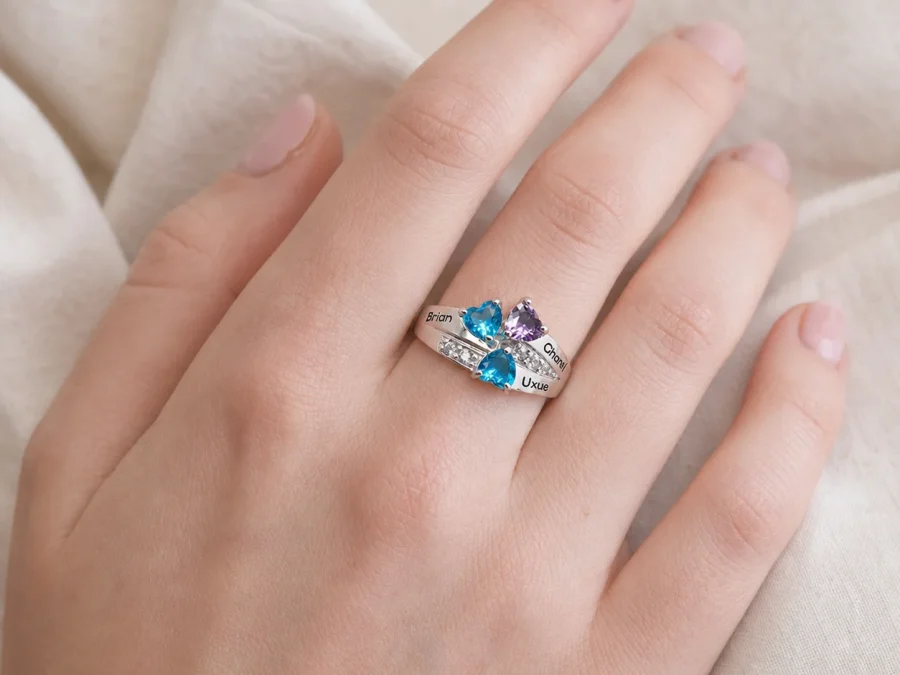
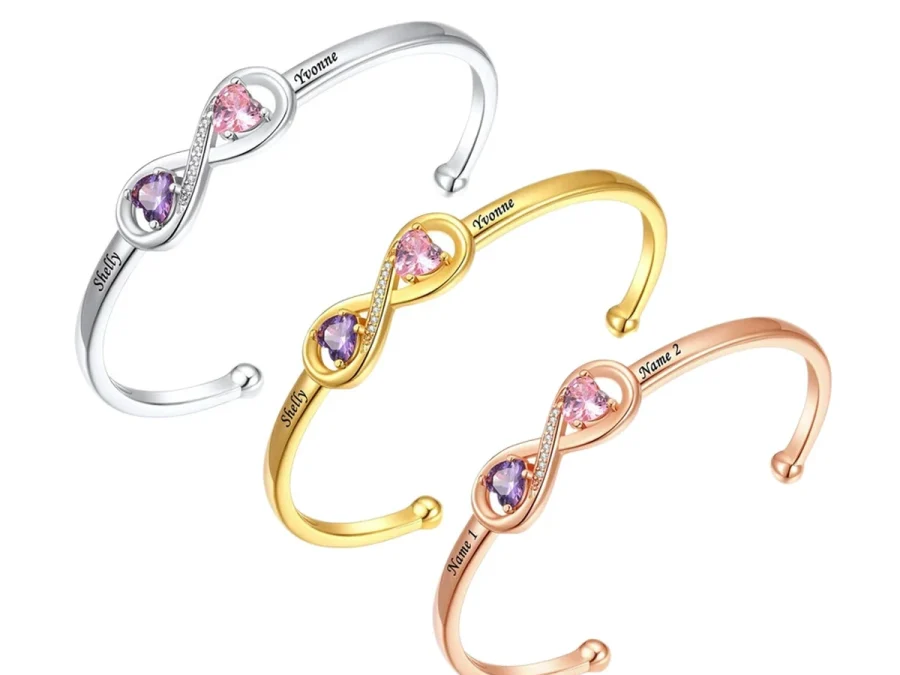
Marketing imagery can still make a particular design look gendered. A heart motif, delicate chain, bold ring, or certain tone may be shown on one kind of model. That presentation is a styling example, not a rule about who may value a month symbol.
Separate two decisions: whether the recipient likes birthstone meaning, and whether the recipient likes this specific object. A yes to the first does not guarantee a yes to every necklace, bangle, ring, or keyring.
Ask style questions without stereotypes
Look at the recipient’s daily accessories. Does the person wear jewelry at all? Are their pieces compact or prominent? Do they choose warm or cool tones, simple geometry or heart shapes, worn or carried objects? Evidence from use is more reliable than a gendered gift list.
Ask neutral questions when a surprise allows: “Would you rather wear a family symbol or carry it on your keys?” and “Which tone works with what you already use?” Avoid framing one answer as more masculine or feminine. The goal is to learn the person’s preference, not guide them back into a category.
Privacy and work rules can also matter. Someone may enjoy a birthstone concept but avoid visible names in public or be unable to wear jewelry during work. A non-wearable format can preserve the family idea without demanding a style change.
For a group gift, remove gendered columns from the planning sheet. Record recipient, preferred format, tone evidence, visible-name comfort, and month instead. A neutral form keeps contributors focused on observed preferences. It also makes disagreements easier to resolve: the group can compare actual accessories rather than arguing over what a man, woman, or child is “supposed” to choose.
Use a flexible current product as an example
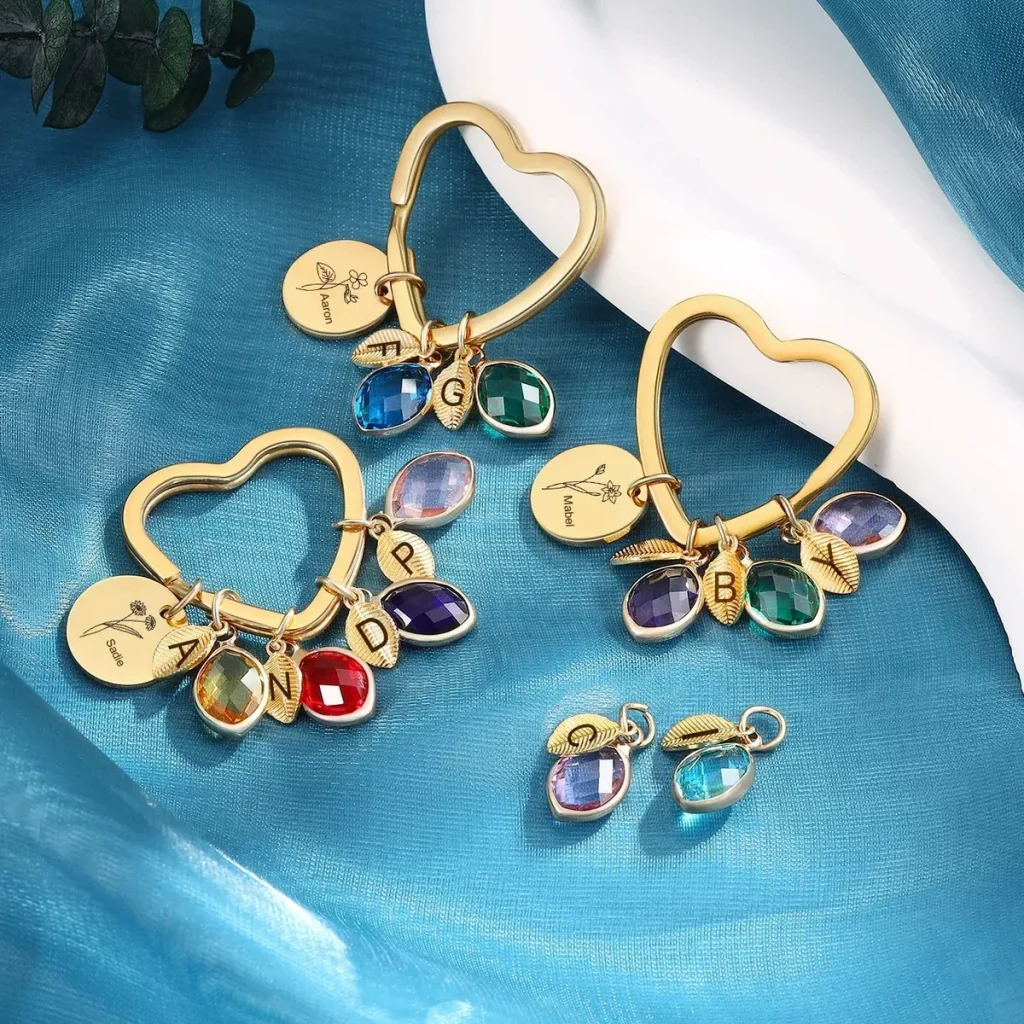
The Family Branch Birthstone Bangle and keyring can be configured as an adjustable bangle, round keyring, or heart keyring. It supports one to five engraved name leaves, each paired with a simulated birthstone accent, plus a center disc whose short wording is handled through the current Special Note workflow.
That range lets the format follow use. A person who wears wrist pieces may prefer the bangle. A person who does not wear jewelry may prefer a round keyring. A heart keyring can suit someone who already chooses heart motifs, regardless of gender.
The tone choices should also come from the recipient’s wardrobe. A gold, stainless-steel, or rose-gold appearance is a plated style option on this design, not a gender label. Compare the options as visual families and describe the materials accurately.
Build a recipient-led decision sheet
Write answers to these questions:
- Does the recipient already value a birth-month symbol?
- Would the person rather wear or carry the family piece?
- Which shapes appear in their current accessories?
- Which tone appears repeatedly in what they use?
- How many people need one name-and-month position?
- Are all visible names comfortable for public display?
Only then choose a product. Use the family birthstone month guide to confirm month associations, and review the current Amorieva collection if another capacity or format fits better.
Keep symbolic claims modest. The accent can mark a month and help tell a family story; it does not determine personality, behavior, or compatibility. That boundary makes the gift more inclusive because the wearer defines what the symbol means.
If the recipient’s style changes over time, that does not invalidate the month tradition. The symbol can stay constant while the preferred format changes from ring to keyring, or from visible heart to quieter shape. Choose for the person now rather than trying to assign a permanent gendered category to either color or object.
Common questions
Are certain birthstone colors only for women or men?
No. Month colors are not gender categories. Choose the color associated with the confirmed month when the gift follows that tradition, and let the recipient decide whether the complete design suits their style.
Can I give a birthstone keyring instead of jewelry?
Yes, when the recipient carries keys or a suitable bag and prefers not to wear an accessory. Use the current keyring format and confirm every name, month, and center message just as carefully.
What if the recipient dislikes the color for their month?
Do not force the convention. Consider a name-led design, another format, or a direct conversation. If a different color is chosen for a private reason, explain that meaning instead of calling it an accurate month match.
Let the person define the style
A birthstone provides a calendar cue, not a rule about who may wear it. Start with the recipient’s habits, comfort, privacy, and preferred form, then map confirmed names and months into a supported product. Amorieva’s personalization process can guide the final review. The most inclusive choice is not a supposedly neutral style; it is a choice grounded in the actual person.