Is Pearl a Mineral? What Makes June’s Birthstone Tradition Different
Pearl is an organic gem, not a mineral. Learn how it differs from June's moonstone and alexandrite traditions before reading a month-based selector.
Pearl is not a mineral. It is an organic gem material formed by a living mollusk, while June’s other recognized birthstones—moonstone and alexandrite—are mineral-based gems. That distinction matters when learning gemology, but a personalized jewelry form has a simpler job: its June option represents the calendar month. A simulated June accent should not be identified as pearl, moonstone, or alexandrite unless the product specifications actually say so.
Why pearl belongs to the organic gem category
A mineral normally forms through geological processes and has a characteristic chemical composition and crystal structure. Pearl forms within certain mollusks as layers build around an irritant or an intentionally introduced nucleus. Natural and cultured pearls have different beginnings, but both are products of a biological process.
The GIA June birthstone reference includes pearl alongside moonstone and alexandrite. GIA’s pearl information describes pearl as organic and explains that mollusks build the material in layers. “Organic” here is a gemological category; it is not a claim about farming methods, environmental impact, or product certification.
That category also helps explain why pearl care guidance cannot be copied automatically to every June-themed piece. Natural pearl has its own surface and durability considerations. A simulated month accent in plated personalized jewelry must be cared for according to the actual product’s materials and construction instead.
Moonstone and alexandrite are different again
Moonstone is associated with the feldspar group and is known for a floating light effect called adularescence. Alexandrite is a color-change variety of chrysoberyl. Neither is a type of pearl, and they are not interchangeable simply because all three appear in June birthstone traditions.
Their appearances can be dramatically different. Pearl is often recognized by surface luster, moonstone by a soft moving glow, and alexandrite by a change in appearance under different lighting. Those descriptions are educational shorthand, not a reliable way to identify an unknown material from a small photograph.
June therefore illustrates an important rule: one calendar month can gather several historical gem traditions without turning those materials into variations of one substance. A birthstone list records an association. It does not erase the scientific differences among the named gems.
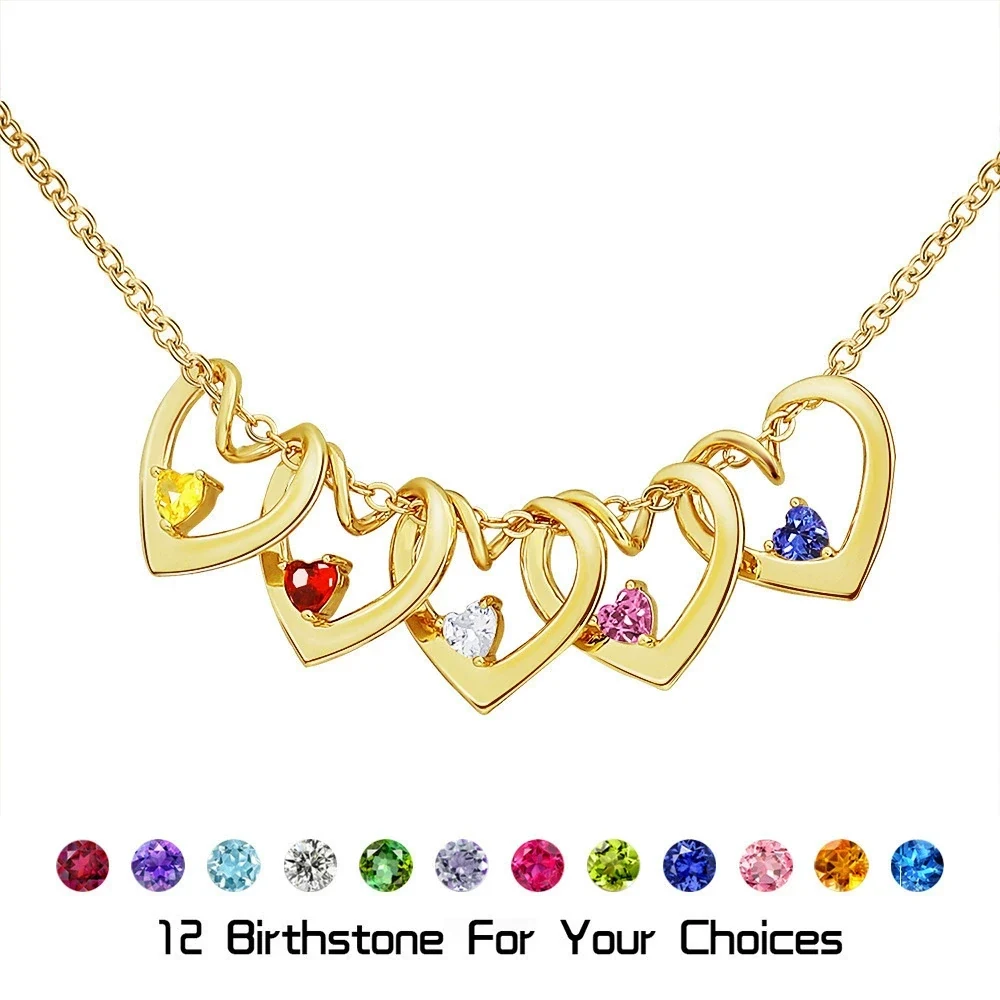
Do not make a June selector choose among three materials
A month-labeled product form may offer one representative June cue. That cue gives the shopper a consistent way to map a person to June; it is not a menu asking whether that person prefers pearl, moonstone, or alexandrite. If the form says “June,” submit June when that is the confirmed birth month.
Keep two notes separate while researching. In a tradition note, write that June can be associated with pearl, moonstone, and alexandrite. In the order record, write the exact product language: June simulated birthstone or crystal accent. Combining the notes into “pearl stone included” would create a material claim the form does not support.
The family birthstones by month guide can help organize people under the twelve calendar labels. Use it for month mapping, not as a substitute for the current product specifications.
Apply the distinction to Twisted Heart
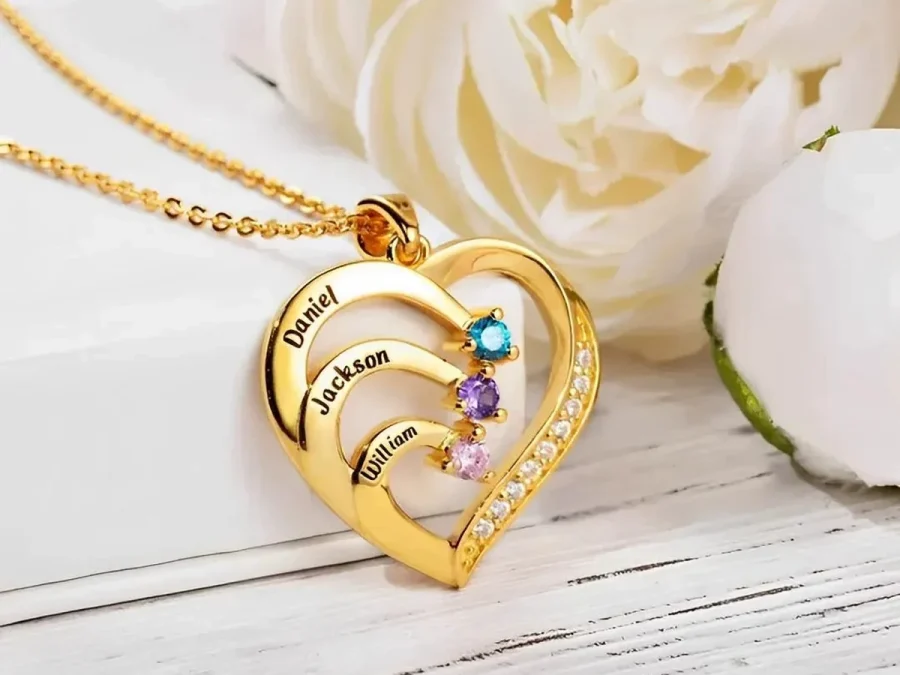
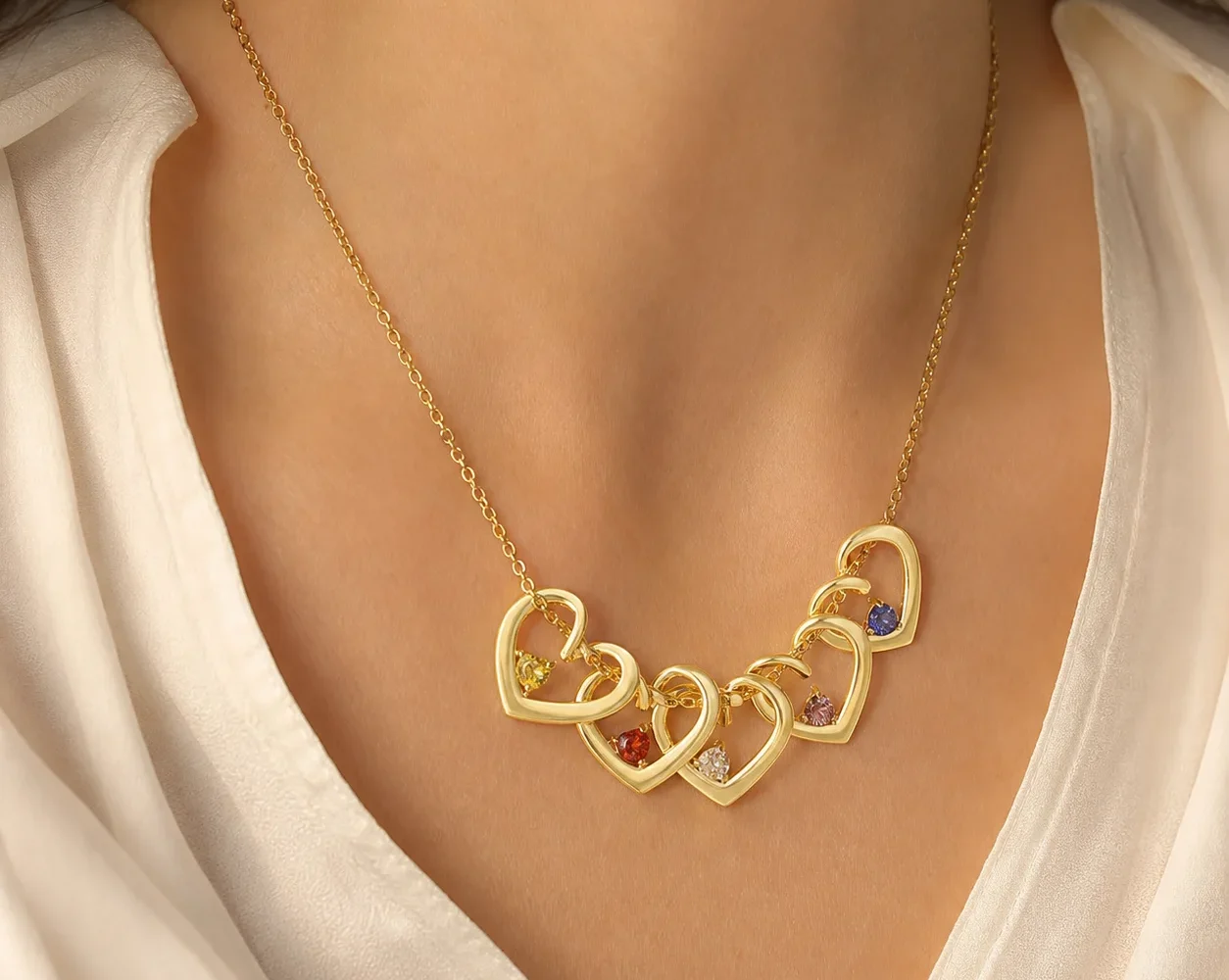
The Twisted Heart Birthstone Necklace currently supports one to five loved ones. Each position pairs an engraved name with a simulated birthstone month selection. The design is available as a necklace or bracelet in gold, stainless-steel, and rose-gold tones.
For a June-born person, enter the approved display name and choose June. Do not enter another month because its preview looks more pearl-like. Do not promise that a light-looking accent behaves like natural pearl or carries the optical effects of moonstone or alexandrite.
If the recipient specifically wants natural pearl, moonstone, or alexandrite, that is a material-led shopping request rather than a month-symbol request. Review the current collection and its documented specifications instead of assuming a simulated June option satisfies it. Questions about the wording of a current field can be checked through the Amorieva FAQ.
Use a three-layer fact check
- Person: confirm the approved name and actual birth month.
- Tradition: note which gems authoritative sources associate with June.
- Product: copy the exact material and selector wording from the current page.
Only the first and third layers belong in the order form. The tradition layer supplies context for the gift, but it must not be promoted into a product specification. This method works especially well when a relative expects “June” to mean pearl and another expects moonstone.
A gift note can say that the accent represents a June birthday. It should not say the piece contains pearl, moonstone, or alexandrite when the documented product uses a simulated birthstone accent.
Common questions
Is a cultured pearl still an organic gem?
Yes. Culturing changes how pearl formation is initiated, but the mollusk still produces the pearl material. Natural and cultured pearls both differ from mineral gems.
Which June birthstone is the official one?
June has several recognized traditions, including pearl, moonstone, and alexandrite. Lists can vary by place and era, so a single universal material should not be inferred from the month alone.
Does a simulated June accent imitate pearl specifically?
Not unless the product page says so. On the current Twisted Heart form, the practical fact is that June is a month-labeled simulated birthstone choice.
Keep classification and representation separate
Pearl’s organic origin makes June a useful reminder that birthstone traditions cross very different kinds of gem materials. Learn those distinctions accurately, then read the jewelry form on its own terms. A June simulated accent represents a person’s month; it does not need to become pearl, moonstone, or alexandrite to carry that family meaning.