Plated Finish vs Base Metal: How to Read Jewelry Details
Learn the difference between a plated finish and base-metal construction, then read each necklace component without assuming a tone name is a material.
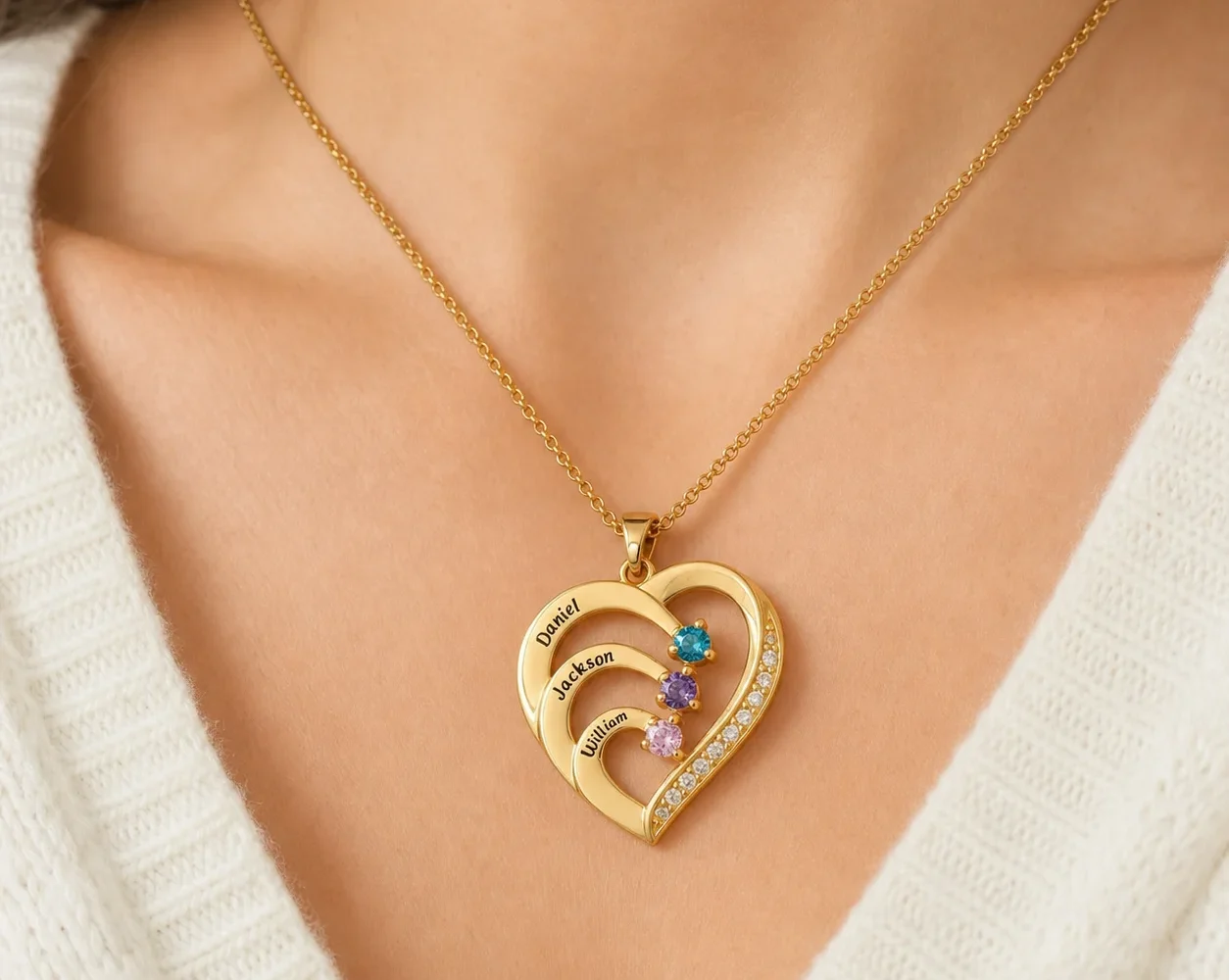
A plated finish is an outer surface treatment, while a base metal is the underlying material or construction beneath that surface. A jewelry description may correctly mention both because they answer different questions. Read each component separately, and do not turn appearance labels such as “gold tone” into unsupported claims about precious-metal content.
Separate surface language from construction language
Words such as plated, electroplated, polished, and tone usually describe what you see at or near the surface. Words such as stainless steel, copper, or mixed metal describe the underlying component or construction. The two sets of terms can appear in the same accurate sentence.
For example, “plated copper heart” identifies both a surface treatment and a base component. “Gold-tone plated finish” describes appearance and treatment but does not by itself identify solid-gold construction. If a listing does not state the base beneath a particular component, do not infer it from color.
Material descriptions can also vary by component. A chain, pendant, decorative band, and accent may not share the same base. Read the nouns attached to each material phrase rather than collapsing the entire piece into one metal name.
Pay attention to grammar. In “stainless-steel chain with a plated copper pendant,” each material belongs to a named component. In “plated mixed-metal design,” the description stays at the overall construction level. Neither sentence gives permission to assign an unstated material to every small part. Keep the summary no more specific than its source.
Use a component-by-component reading method
Make four rows: chain, main pendant, personalized elements, and decorative accents. Copy only the facts the listing assigns to each row. Then add a separate column for finish or tone. This creates a clearer picture than searching the page for one familiar metal word.
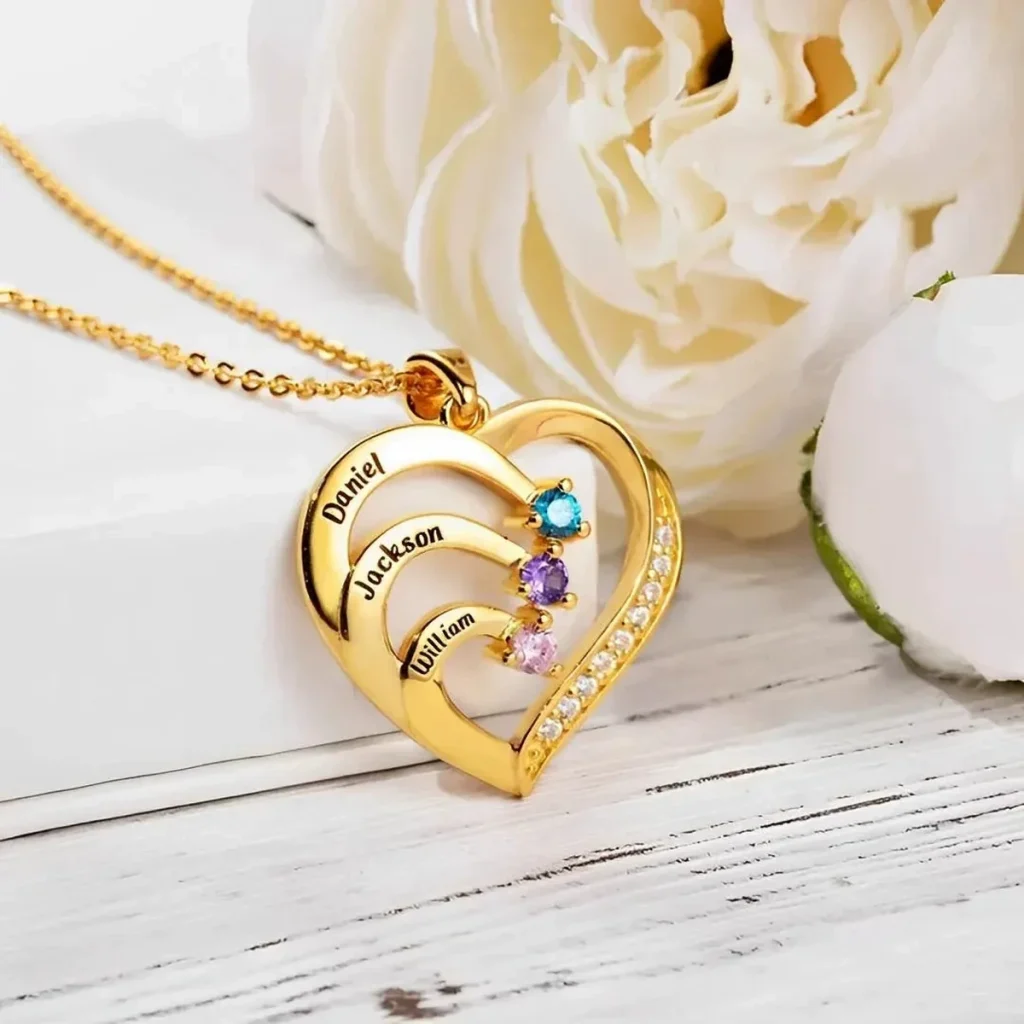
The Family Embrace Heart Necklace is described as a plated mixed-metal design with simulated birthstone accents. It can carry one to six names and month selections. A precise summary is “mixed-metal personalized necklace with a plated finish and simulated accents,” followed by the selected tone.
This wording remains useful even when you choose a gold, stainless-steel, or rose-gold tone. Tone describes the visible color option. It should not replace the listed construction.
Use the same reading method when comparing products. Put construction, surface, tone, and accents in four separate columns. An empty cell means “not stated in the material available,” not “probably the same as the other item.” This prevents one familiar option label from filling gaps in a different listing.
Avoid durability and skin assumptions
A material label alone does not support a universal prediction about how long a finish will look unchanged. Wear frequency, moisture, friction, storage, and product care all affect exposure. Do not interpret “plated” as a specific lifespan, and do not interpret a base-metal name as a guarantee of scratch resistance or permanent color.
The same caution applies to skin compatibility. Unless the current product information provides a supported statement, do not assume a piece is suitable for every wearer. Someone with a known metal sensitivity should review the exact current listing and seek appropriate personal guidance rather than relying on tone or marketing shorthand.
Amorieva’s FAQ is a practical place to check current product and ordering information when a material detail would determine the purchase.
Also separate material certainty from preference. You can like the appearance of a tone while deciding that the available construction information is not sufficient for your needs. Asking a precise component question is more productive than requesting a general verdict about whether the entire necklace is “good metal.”
Let care follow the finish information
Plated personalized jewelry should be kept dry and removed for showering, swimming, exercise, saltwater, and chlorinated water. Avoid direct contact with perfume and household chemicals. After wear, use a soft lint-free cloth and store the piece separately.
These steps reduce avoidable exposure; they do not promise that a finish will never change. Harsh scrubbing, soaking, and unverified cleaning chemicals can create unnecessary risk around engraving and small accents. Follow the current jewelry care instructions rather than importing a cleaning method intended for a different material.
Common questions
Does gold tone identify precious-metal content?
No. A tone label describes appearance. Look for a separate material statement about the base and finish. The current Amorieva product discussed here is identified through its plated mixed-metal construction.
Can one necklace contain more than one base metal?
Yes. Different components can use different materials, and “mixed-metal” may describe that construction. Read which material belongs to the chain, pendant, and other parts when the listing provides those details.
Can plated jewelry stay on in water?
Current Amorieva care guidance says to keep plated pieces dry and remove them for showering, swimming, exercise, saltwater, and chlorinated water.
Build an accurate one-line summary
After reading the listing, describe the piece in this order: product form, base construction, plated finish or tone, and accent type. If you cannot support one of those elements from the page, leave it out or ask. The Amorieva shop uses different constructions across designs, so this method should be repeated for each product rather than copied from one necklace to another.
Save that one-line summary beside the product link. When you return to the comparison later, you will be less likely to remember a tone name as a material or blend two products’ component facts together. Accurate reading is not about memorizing technical vocabulary; it is about keeping each term attached to the part it actually describes.