A Personalized Thank-You Gift for a Family Caregiver
Choose personalized jewelry for a family caregiver by respecting her style, privacy, and relationship to the person she supports.
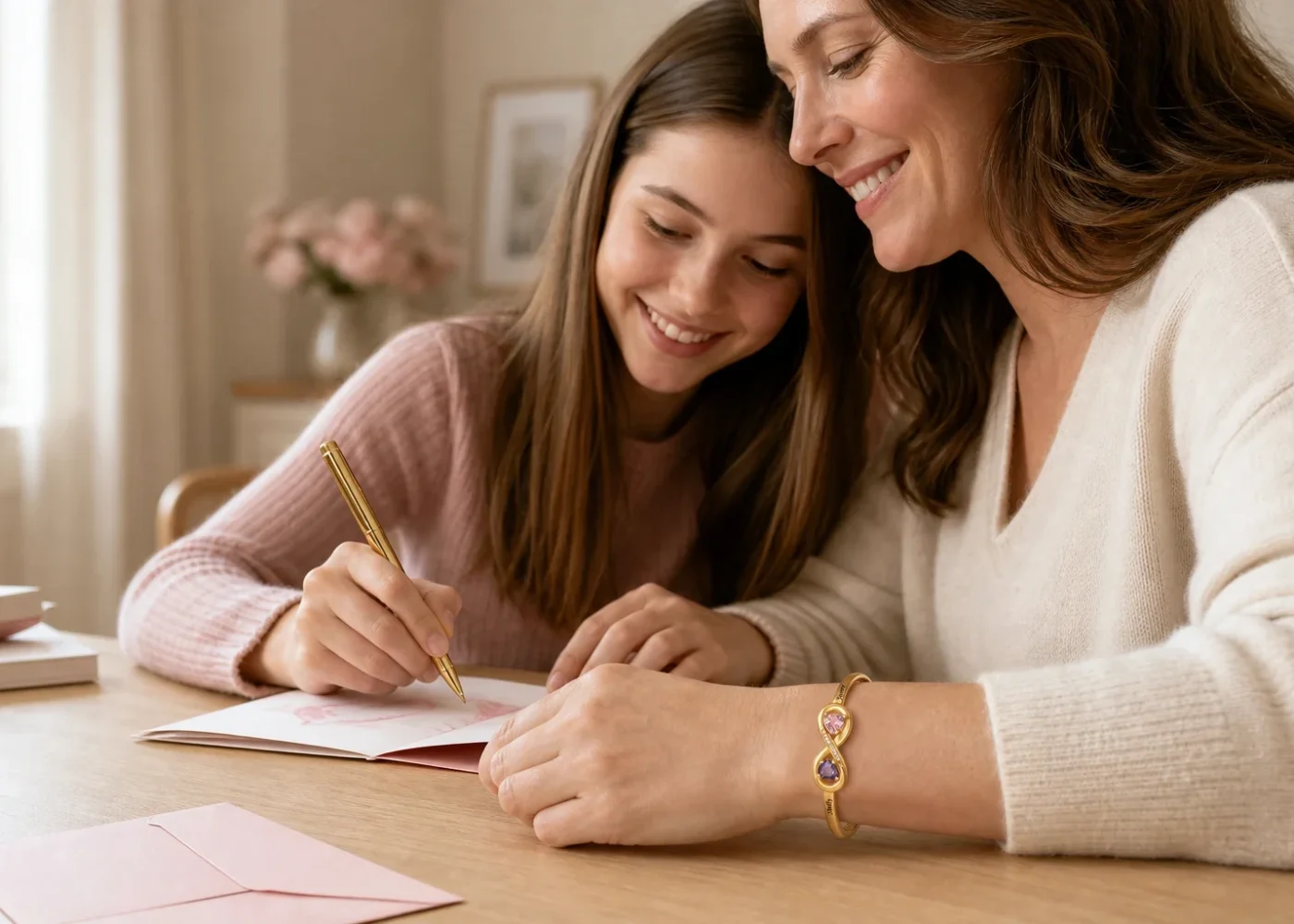
Personalized jewelry for a family caregiver should thank the person without reducing her identity to caregiving. Begin with what she actually wears, how private the family situation is, and which relationship she would want represented. A modest two-name design can acknowledge connection, but the gift should never demand that she display someone else’s story.
See the person before the role
Observe the caregiver’s ordinary style. Does she wear cuffs, delicate necklaces, rings, or no jewelry at all? Does she prefer a quiet stainless-steel tone, a warm gold tone, or rose-gold color? Consider work routines and whether a piece on the wrist would be comfortable during her day.
Do not assume that effort or closeness makes jewelry the right format. A person who avoids accessories may appreciate another kind of thank-you more. Browse the current Amorieva personalized collection only after confirming that a wearable family symbol fits her preferences.
Keep the message focused on gratitude, time, steadiness, and relationship. Avoid describing private diagnoses or making the recipient explain the circumstances whenever someone notices the piece.
Decide which two people the design represents
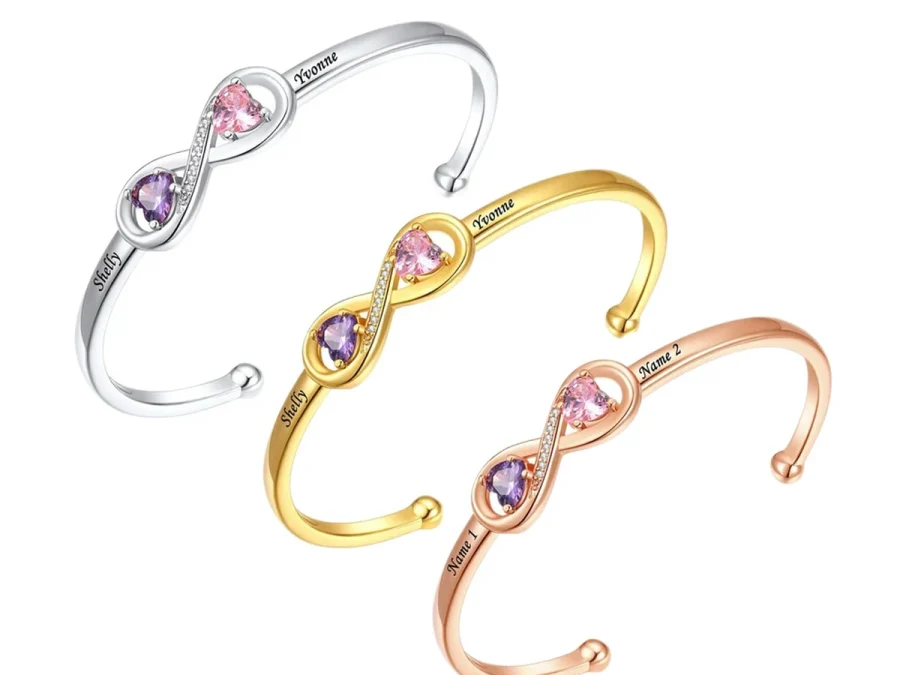
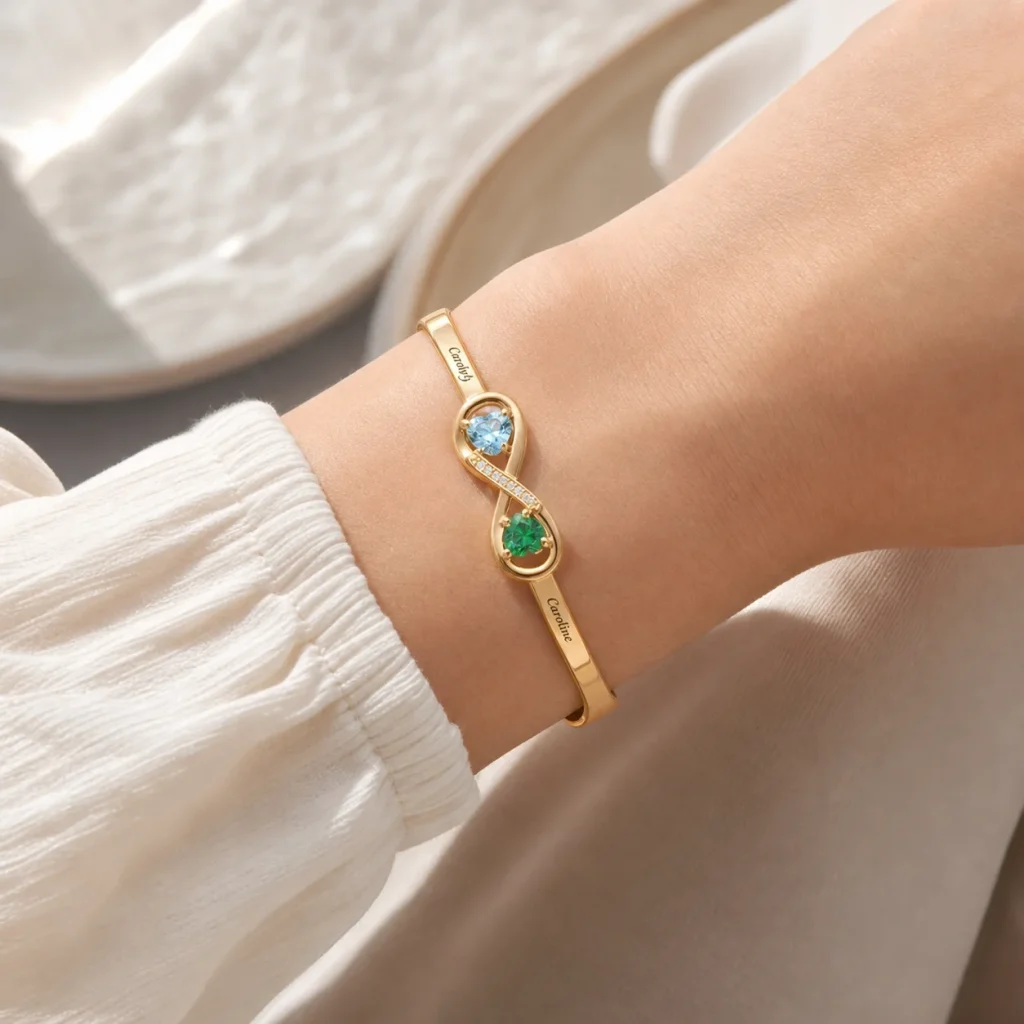
The Open Heart Birthstone Cuff uses a fixed two-person structure: two engraved names and two selected birth months with simulated birthstone accents. It offers three plated tone choices on a copper-base adjustable open cuff.
That layout can suit a caregiver and the relative she supports, two caregivers working together, or a giver and caregiver whose bond has deepened. Write one sentence that explains the pair. If the sentence feels forced, choose a design with a different capacity rather than inserting names simply to fill both positions.
Ask whether the care recipient’s name is information the caregiver is comfortable wearing. Privacy may matter even within a close family. Initials or another current product may be more appropriate, but use only text that the live field accepts and the recipient recognizes.
Test the idea with two questions: Would she choose to see these two names together on an ordinary day? Would she feel comfortable explaining them only if she wanted to? A yes to both suggests the pairing is personal without being intrusive. A hesitation is a reason to simplify the engraving or choose a different gift.
Keep gratitude specific and proportionate
A thank-you note can name concrete acts without turning them into a dramatic narrative. Mention a routine she made easier, a way she kept the family connected, or the consistency she brought to a difficult season. Do not assign saintly language or imply that the gift repays an obligation that cannot be measured.
Use this planning sequence:
- Confirm that she likes and can comfortably wear a cuff.
- Choose the two people represented and obtain correct name spellings.
- Verify each actual birth month and keep it beside the matching name.
- Select a tone from her existing accessories, not the occasion alone.
- Write a private thank-you message in your own words.
- Have another trusted person proofread the order without sharing unnecessary personal information.
Amorieva’s personalization process guide explains why those confirmed fields matter before a made-to-order piece is submitted.
Keep the final note separate from the engraving worksheet. The worksheet should contain only exact fields and pairings; the note can hold the fuller thanks. Separating them prevents an emotional phrase from being mistaken for a product instruction and lets the caregiver keep the private message even when the jewelry is not being worn.
Choose a comfortable gift moment
Caregiving can happen in public and private, with many emotions attached. Give the jewelry in a setting where the recipient can respond without an audience. Do not schedule the exchange during a demanding appointment or family event simply because everyone is present.
Make clear that wearing the piece is optional. The caregiver may value it but save it for particular occasions, especially if daily tasks make wrist jewelry inconvenient. Gratitude is not measured by how often an item appears.
If several relatives are contributing, agree on the purpose before selecting the names. A group gift can still center one two-person relationship, but contributors should not add more family roles after the fixed layout is chosen. Their individual messages can accompany the gift separately.
Include basic care information rather than performance promises. A plated cuff should be kept dry, removed for showering, swimming, exercise, saltwater, and chlorinated water, and protected from perfume and household chemicals. The Amorieva care page provides the full routine.
Common questions
Whose names should go on a caregiver thank-you cuff?
Choose the pair that the recipient herself would see as central: caregiver and care recipient, two caregivers, or giver and caregiver. Do not include a person merely because the design has two positions.
Should the engraving mention caregiving directly?
It does not need to. Names can keep the piece useful beyond one chapter, while your separate note explains the gratitude. Direct role language should appear only if the recipient already uses and values it.
What if she cannot wear a cuff during daily tasks?
Choose another format or another type of gift. A meaningful object should fit her real routine. Do not make frequent wear a condition of accepting your thanks.
Thank her without asking her to perform gratitude
A caregiver gift is thoughtful when it respects the recipient’s style, privacy, and freedom to use it on her own terms. Confirm that a two-name cuff fits the relationship, verify the names and months, and give it with a specific, quiet message. The jewelry can hold a connection, but the thank-you should still recognize the whole person who carried the responsibility.