Personalized Jewelry for a Single Parent: Center the Family They Define
Plan jewelry for a single parent around the family and language they define, using only confirmed names and months without filling an assumed missing role.
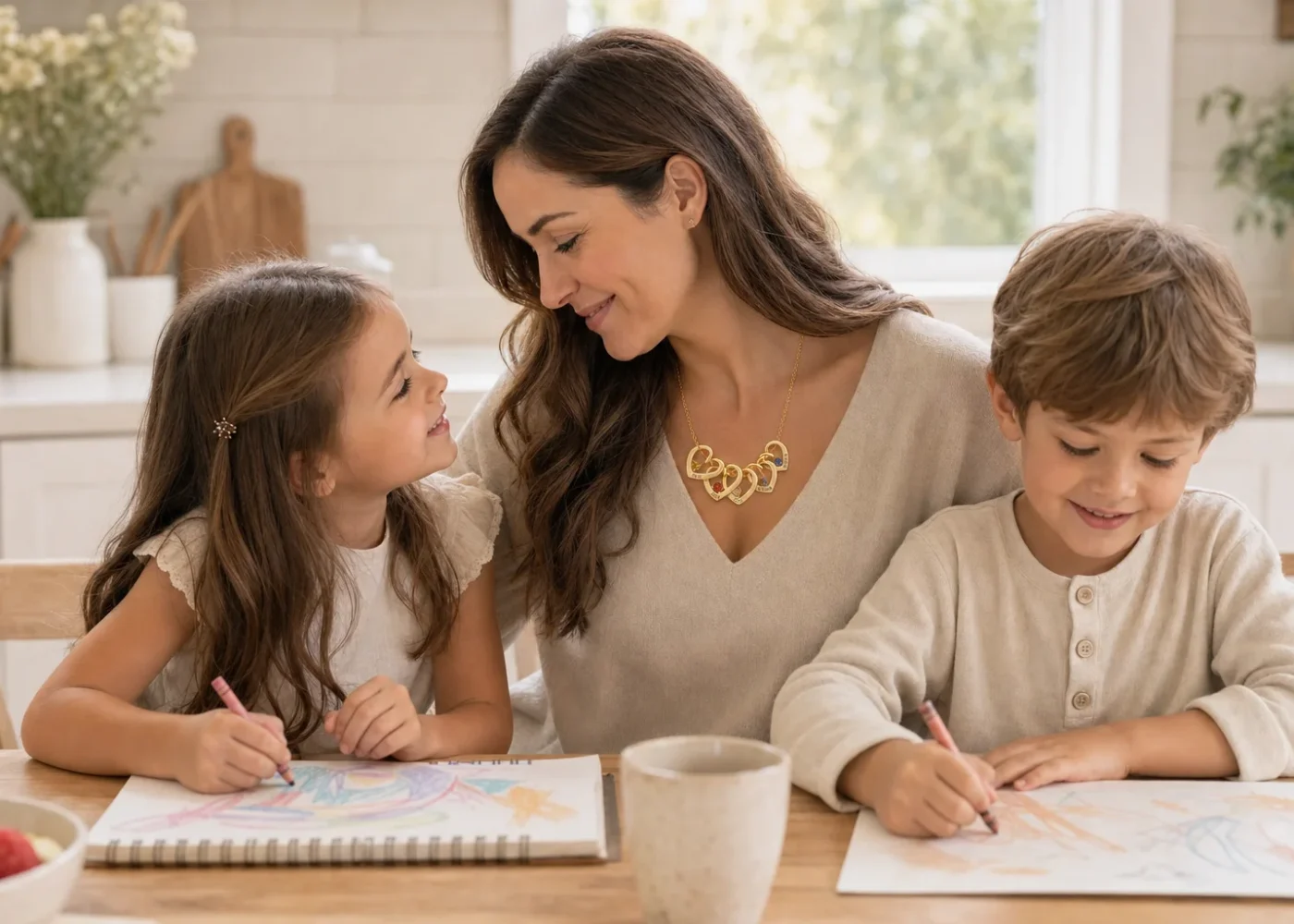
Personalized jewelry for a single parent should center the family they define, not frame the household as missing someone. Confirm which names belong, what parental and family language the recipient uses, and whether birth months may be displayed. Do not add an absent partner, duplicate accent, or symbolic placeholder to make the design look symmetrical.
Let the parent define the family sentence
Ask or verify whether the piece represents the parent and children, children only, a chosen-family group, or another household story. Write that scope in one sentence before selecting a product.
A single-parent household is already a complete family structure. Avoid gift messages that praise someone for filling two roles unless the parent uses that language. Do not turn the jewelry into commentary on an absent or noncustodial person.
Use the parent’s own words from ordinary conversation. “Our little team,” “my kids,” a chosen family name, or no label at all may fit better than a generic title. Record the phrase for the gift message, but put it in a product field only when the current design explicitly supports that text.
Confirm the names and privacy boundaries
Use the approved display names for the parent and children included. Ask the appropriate adult before putting a child’s name or birth month on visible jewelry. A nickname, first name, or name-only design may fit privacy preferences better.
Keep personal history outside the order note. The product needs names, months, format, and supported choices—not an explanation of custody, separation, or household circumstances.
Ask children for age-appropriate input when their names will be visible. Confirm whether a nickname or first name is preferred and whether close-up photographs may be shared. The parent’s approval and the child’s comfort can both shape a more restrained design.
Use a one-to-five heart layout only when it fits
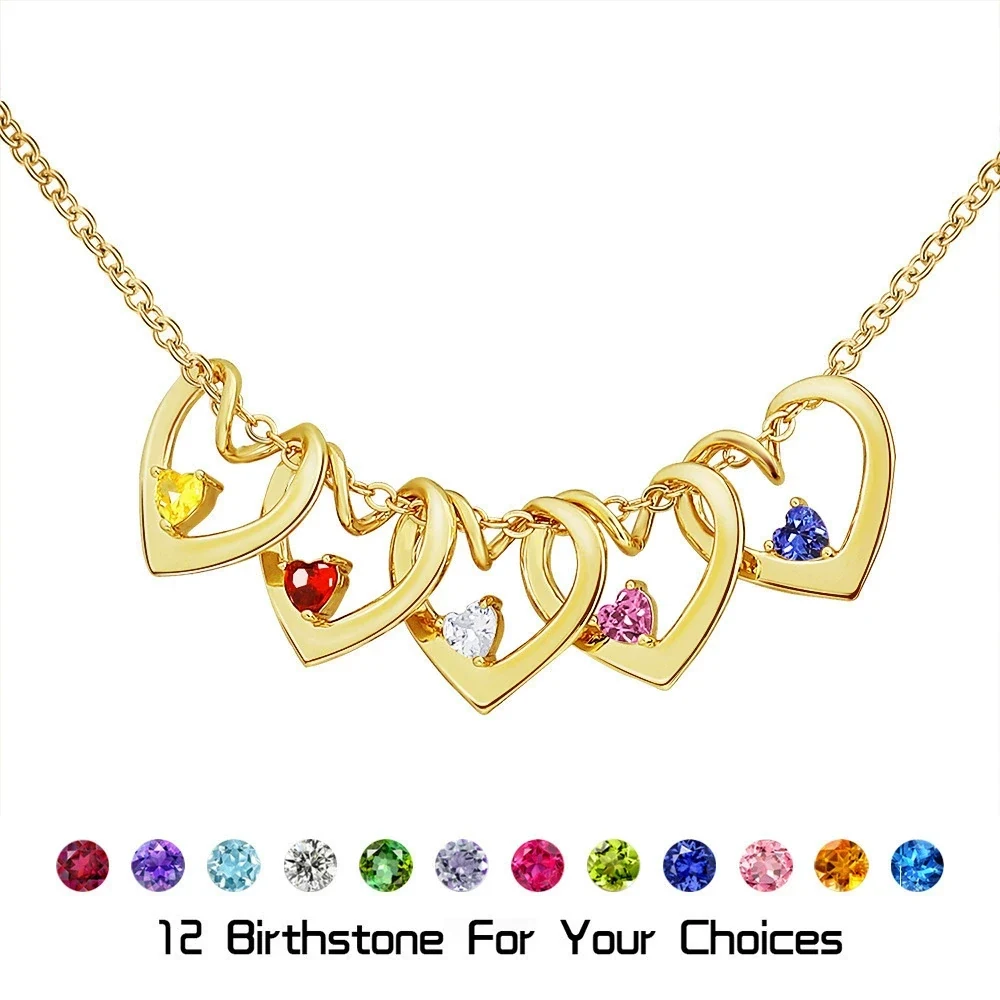
The Twisted Heart Birthstone Necklace currently supports one to five loved ones, with an engraved name and simulated birthstone selection for each. It can be configured as a necklace or bracelet in three finish tones.
A parent and two children can use three positions if that is the approved story. Children only can use two. Do not add a fourth month to balance color or represent a person the parent did not choose.
If the family list exceeds five or birth months are private, compare a higher-capacity name-only structure through the Amorieva collection.
Example: a parent and three children create four approved rows. Enter four names and four confirmed months when everyone accepts that information. Do not add an absent adult as a fifth row or leave a symbolic empty position to make the heart feel complete.
Choose the format from ordinary life
Observe whether the parent wears pendants or bracelets during work, caregiving, exercise, and errands. Compare chain length or wrist fit with an existing piece. Heart motifs and visible names should reflect personal style, not a general idea of what parents wear.
A keyring-capable design may be more practical for someone who avoids jewelry. The gift remains personalized when the format matches actual use rather than an idealized portrait.
Review care realistically. A parent with a busy water-, exercise-, or caregiving-heavy routine may prefer a carried format or a piece reserved for selected days. Do not promise that any plated design can remain on through every task.
Proofread without importing assumptions
Create one numbered row per approved person: display name, confirmed month, position, and verifier. Review every row against the current form. Amorieva’s personalization process helps keep pairs aligned.
If a relationship or detail is sensitive, ask the recipient directly. The current personalization FAQ can resolve a technical field, but it cannot decide the family’s inclusion rule.
Write a presentation note that thanks the parent without using deficit language. Focus on the people named and the daily family they have built. Avoid describing the gift as replacing another person or compensating for household structure.
Keep the submitted list with the order record. If the family changes later, this piece can remain a true record of the chapter rather than an object that must be modified to validate the present.
Common questions
Should the parent’s own name be included?
Only if that is how they want the family story represented. Some parents prefer children only; others include themselves. Neither list is automatically more complete.
Can I include an absent co-parent for the children?
Do not make that relationship decision without the recipient’s approval. Use the names they choose for this piece and keep the gift free from pressure.
What if more than five people belong?
The current Twisted Heart design supports one to five. Select another verified structure or revise the scope with the parent rather than combining names.
Reflect the family that is present
A thoughtful single-parent gift does not repair, complete, or explain the household. It records the family the parent recognizes in names they approve and a format they will use. When the inclusion rule comes from them, every filled position belongs and no empty role needs to be invented.
Let the accompanying message celebrate daily connection and shared names, not the household category used by the gift giver.