Do Birthstones Require a Birthday Celebration?
A birthstone can represent a month without a birthday event, but the recipient's beliefs and preferences should decide whether that symbol belongs in the gift.
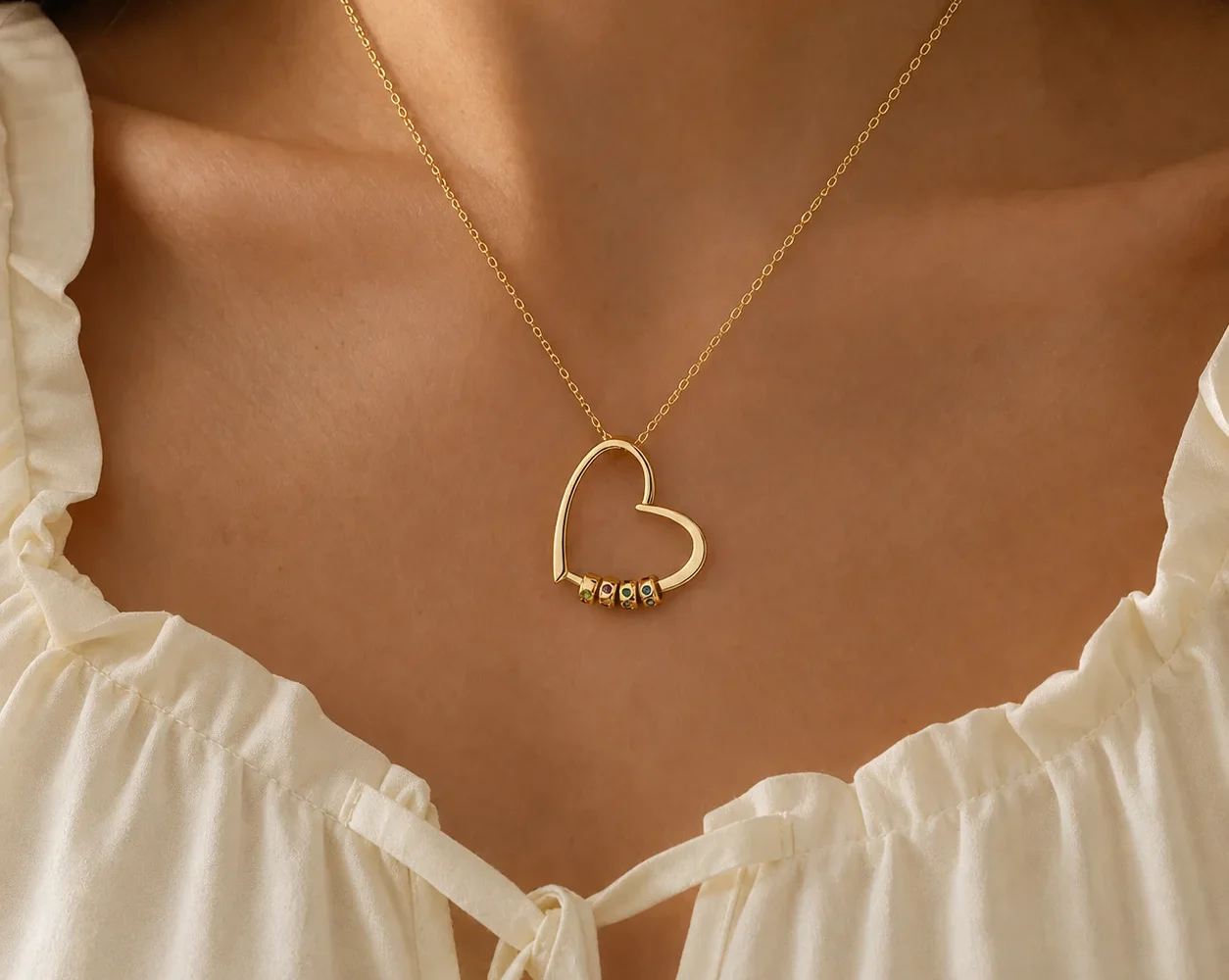
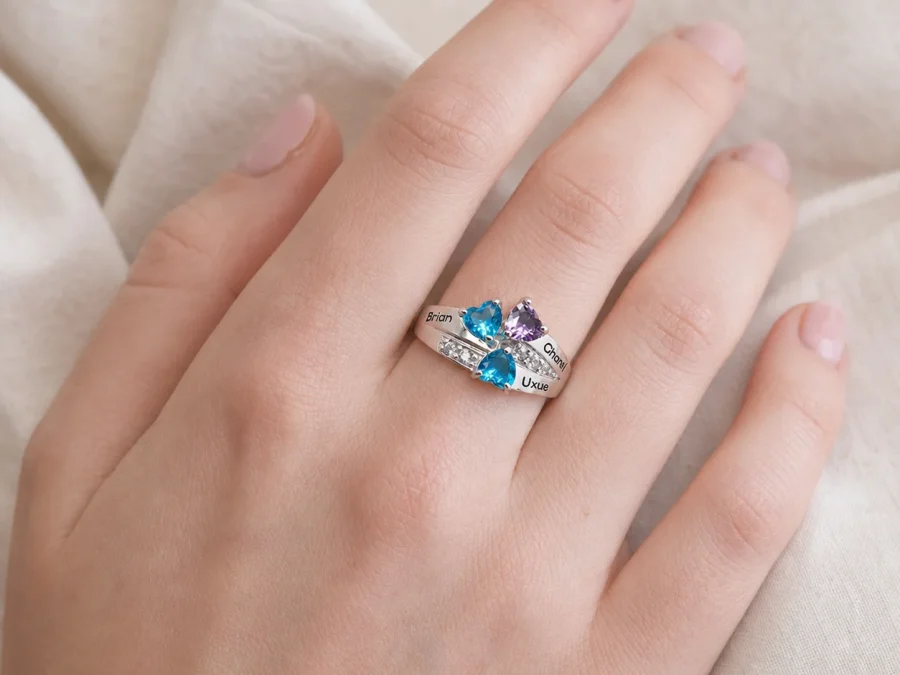
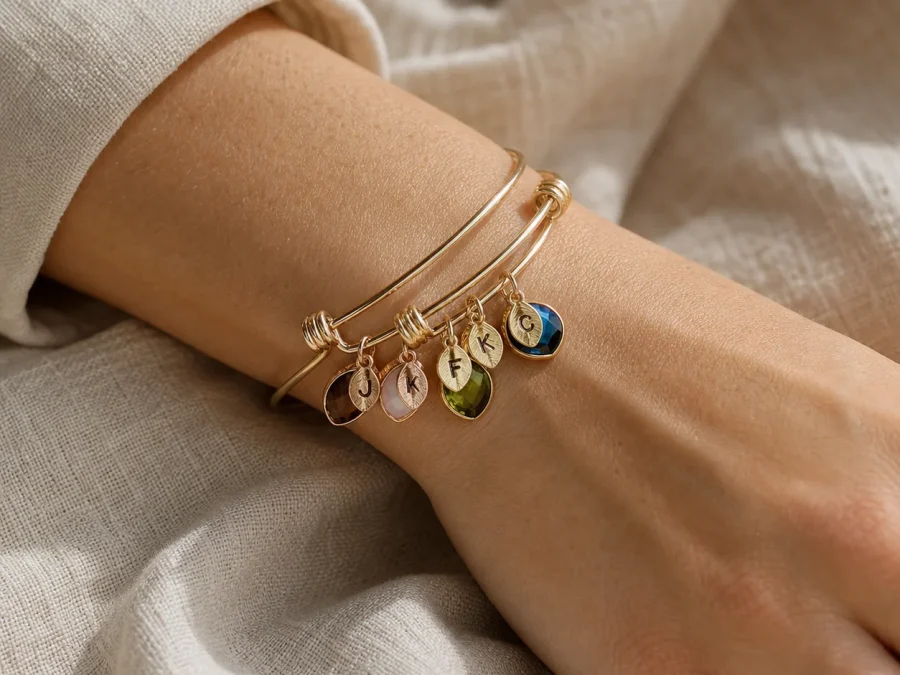
Birthstones do not require a birthday party or annual celebration, but a month symbol is not automatically appropriate for someone who does not celebrate birthdays. The cultural association and the act of celebrating are separate. Ask whether the recipient welcomes month-based symbolism. If the answer is uncertain or negative, choose a name-led design that carries the relationship without a birthday cue.
Understand why the person does not celebrate
People may avoid birthday celebrations for religious, cultural, personal, privacy, or emotional reasons. Do not demand an explanation in order to choose a gift. The practical question is whether a visible birth-month symbol feels comfortable to the recipient.
Someone may dislike parties but still enjoy a month color. Another person may view any birthday-linked object as inconsistent with a belief or boundary. A third may prefer not to disclose even an approximate birth time. These are different preferences and should not be collapsed into one assumption.
Ask a neutral question: “Would you be comfortable with a family piece that uses month colors, or would you prefer names only?” The answer can guide the design without asking the person to defend it.
When asking directly is not possible, choose the lower-disclosure option. A name-only piece avoids assigning month symbolism while still allowing personalization. A later conversation can lead to a month-based design; an unwanted visible symbol is harder to reinterpret after ordering.
Separate month tradition from celebration language
Birthstone lists associate calendar months with gem names and colors, and traditions or alternatives can vary by place and era. The symbol can be used outside a birthday event, but that does not remove its month connection.
If the recipient welcomes the association, explain it plainly: the accent represents a calendar month within a family map. Avoid presenting the color as a personality rule or attaching an outcome to it.
If you need to review the customary month structure, use the family birthstone month guide. The guide informs a choice; it does not override the recipient’s boundary.
Choose names when months create conflict
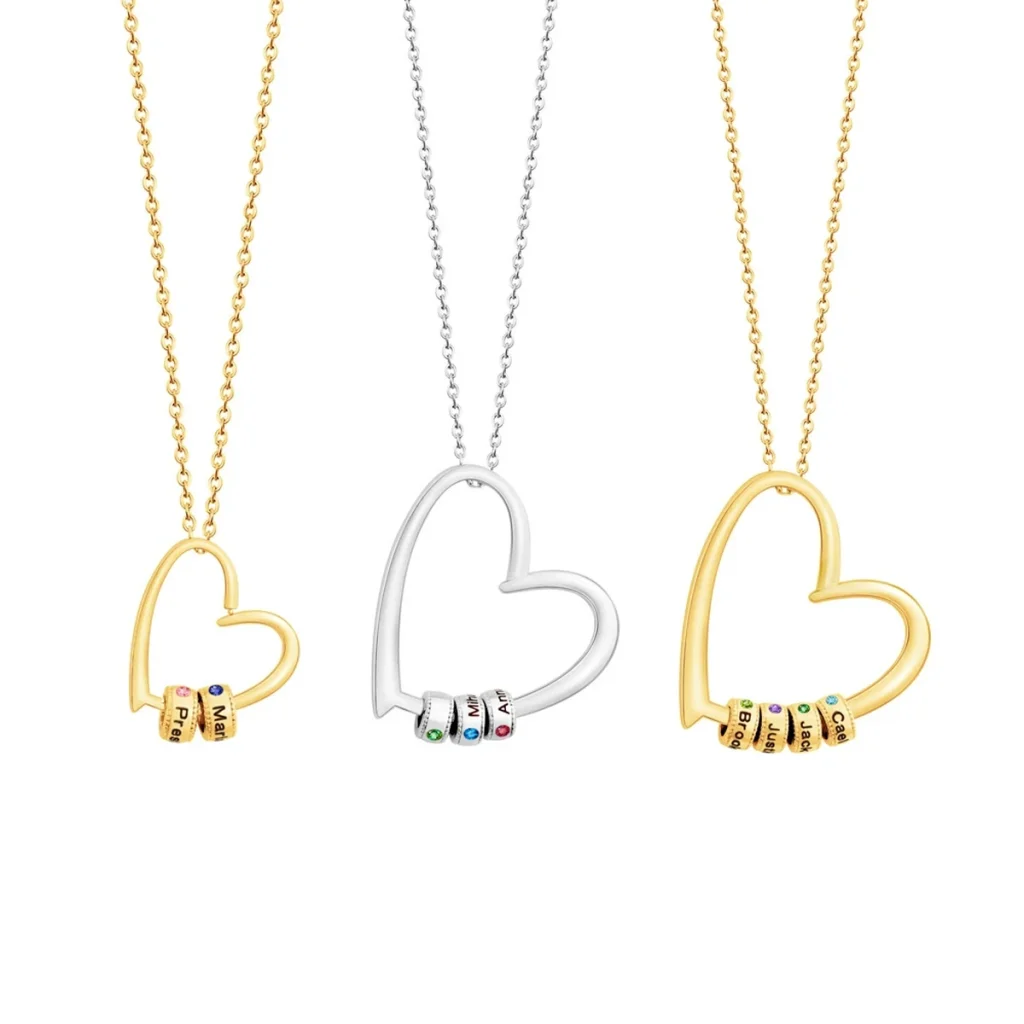
The Gathered Hearts Name Necklace supports one to eight engraved name beads. Its petite pendant is approximately 22 mm for one to four beads and its classic pendant approximately 33 mm for five to eight. It offers three plated tones and polished or crystal-accent bead styles. It does not have a birth-month field.
This name-only structure can represent children, relatives, or chosen family without encoding a month. The crystal-accent bead option is a visual style, not an individual birthstone selection. Use approved display names and one clear order.
A name-led gift can still be given on an ordinary day, family milestone, or private moment. Do not relabel the occasion as a birthday substitute if the recipient does not want one.
Let the giving language match the object. Say that the names represent family connection, not that the necklace celebrates a hidden or delayed birthday. If the recipient asks why no month colors appear, explain that the design was chosen to respect their preference.
Use a consent-first decision sequence
Work through these steps:
- Identify whether month symbolism itself is welcome.
- Ask only for the level of explanation the recipient chooses to provide.
- If welcomed, verify each actual month and describe the accents accurately.
- If not welcomed, choose names, initials, or another supported non-month structure.
- Select a giving moment that does not imitate an unwanted celebration.
- Keep private dates out of visible personalization when privacy matters.
Compare current name-led and month-led structures in the Amorieva collection. Use the personalization process only after the symbolic boundary is clear.
If several contributors are involved, record the recipient’s choice so no one adds a month later because they assume it makes the piece “more personalized.” Respecting what is omitted can be part of accurate personalization.
Review public photographs as well as the object. Even a name-only engraving may disclose information the recipient prefers to keep private. Ask whether images should be shared and avoid attaching birthday language in captions when the person does not use it.
Common questions
Can someone like birthstones but dislike birthdays?
Yes. The person may enjoy color or month tradition without wanting an annual celebration. Ask rather than infer, and use the symbol only with their comfort and understanding.
Is a crystal-accent name bead secretly a birthstone?
No individual month field exists on the current Gathered Hearts design. Its polished or crystal-accent bead is a style choice, so do not assign a birthday meaning unless it is a private interpretation clearly explained.
Should I surprise someone with their month color?
Not when you know they avoid birthdays and have not indicated comfort with month symbolism. Confirm the boundary or use a name-only gift that does not expose the date cue.
Let the recipient decide what the month means
A birthstone can exist outside a celebration, but the giver does not get to define that distinction for someone else. Ask whether the month cue is welcome, preserve privacy, and choose a name-only piece when it is not. Amorieva’s family-story perspective can support many forms of connection; the most respectful one is the form the recipient recognizes as their own.