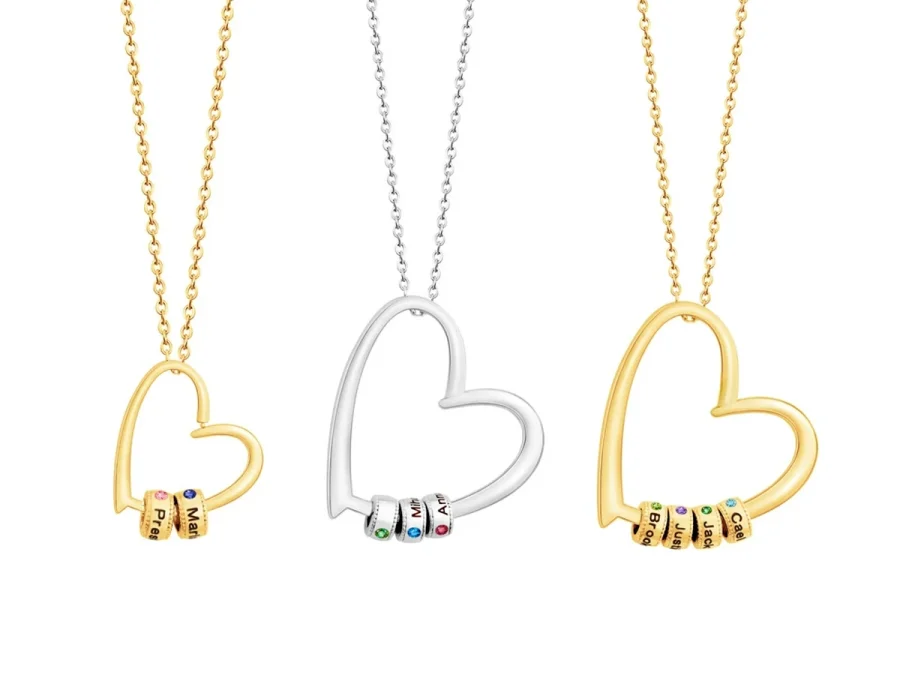
Bilingual Family Jewelry: Choose One Approved Spelling for Every Name
Plan bilingual family jewelry with one approved spelling per name, a shared review sheet, and confirmation that the current engraving field supports every character.
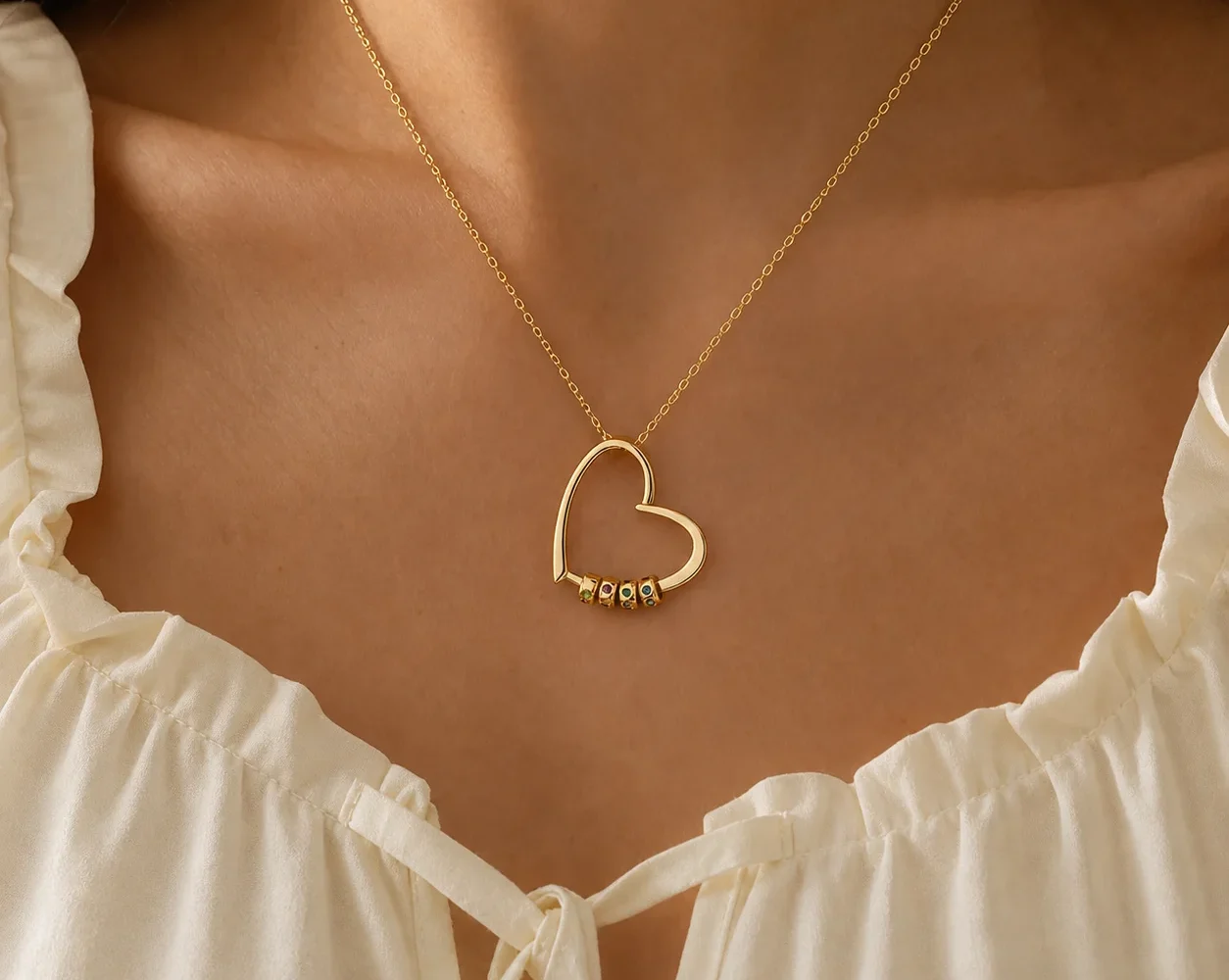
Bilingual family jewelry names need one approved display form for every person. A relative may use an original-script name, a transliteration, an English name, or a nickname, but the buyer should not combine versions or remove diacritics without permission. Build a review sheet, confirm which characters the current product field supports, and submit only the exact spelling the person or family has approved.
Separate identity choice from technical support
The person or family decides which name form is meaningful. The product determines which characters can be entered and reproduced. These are separate questions. A technically accepted string is not automatically the preferred identity, and a preferred spelling should not be promised until its characters are confirmed for the chosen field.
A general input box may appear to accept many scripts, punctuation marks, or diacritics. That does not establish how every character will appear in the final engraving or at a small scale. Use the current product prompt and ask about any uncertain character before ordering.
Create a bilingual approval sheet
Give each person one row with these columns:
- Name as the person writes it in the original language or script.
- Approved display form for this jewelry piece.
- Alternative transliteration, recorded for reference but not submission.
- Capitalization, spacing, hyphens, apostrophes, and diacritics.
- Person who approved the final form and the date of approval.
Only the approved display form should be copied into the product field. Keep alternatives outside the order so a supplementary note cannot be mistaken for a second engraving instruction. The existing guide to planning necklace engraving can help with order and readability after the spellings are settled.
Use a monospaced or large plain-text review when scripts are unfamiliar to the buyer. Enlarge the approved source and submitted field side by side, then check from left to right without relying on how the name sounds. Similar-looking characters, invisible extra spaces, and punctuation substitutions are easier to catch visually than in spoken proofreading.
Apply the sheet to a multi-name pendant
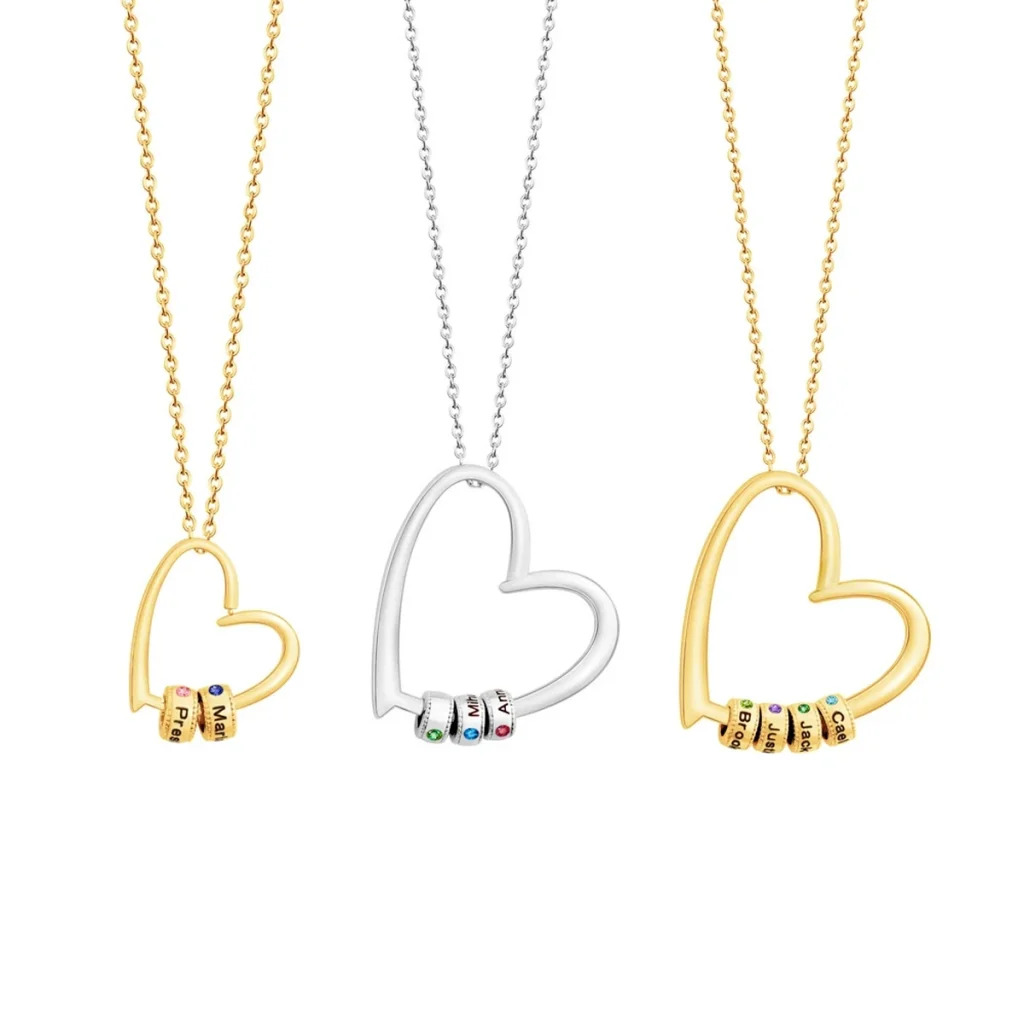
The Gathered Hearts Name Necklace currently supports one to eight engraved name beads. The petite 22 mm pendant is intended for one to four beads, while the classic 33 mm option is intended for five to eight. It also offers three plated finish tones and polished or crystal-accent bead styles.
The current design is name-only; it has no birth-month selector. That keeps the bilingual task focused on spelling, character support, order, and scale. Longer display forms may feel denser on small beads even when a technical field accepts them. Do not shorten a name without approval to make the layout more convenient.
Use Amorieva’s personalization process to prepare the confirmed names before opening the form. Select petite or classic only after the final bead count is known.
Choose a fair ordering rule across languages
Order names by a family rule that does not privilege one script or language as inherently primary. Chronological order, household groups, or a recipient-centered sequence can work if the family understands it. Write the rule on the sheet and apply it consistently.
Do not alternate scripts merely for visual symmetry unless the named people approve that presentation. Consistency may mean all names use their preferred forms, even when the resulting list includes more than one script. Technical support must still be confirmed for every entry.
For a surprise, recruit one fluent reviewer who understands both the family preference and the need for discretion. Give that person the exact product field and the approved sheet, not a retyped summary. Every manual copy creates another opportunity for a diacritic or letter to change.
Proofread shape, not just sound
Reading names aloud catches some errors but not visually similar characters, missing accents, or altered spacing. Compare the form character by character with the approved row. Ask a fluent reader to review an unfamiliar script. Do not ask them to choose a different name form; their role is to verify the approved one.
If the current product cannot support one essential spelling, stop and compare another format through the Amorieva collection or choose a non-engraved gift. The personalization FAQ is the appropriate starting point for a specific character question.
Save the approval sheet with the submitted order so a later comparison uses the exact chosen form rather than a newly typed version.
Common questions
Should every family name use the same language?
Not automatically. Use the form each person or family approves, provided the current product supports it. Consistency should not erase a meaningful name preference.
Can I remove a diacritic to simplify engraving?
Ask first. A diacritic can be part of the correct spelling, not decoration. Confirm whether the field supports it and whether the person accepts an alternative form if it does not.
What if two transliterations are common?
Record both for reference, then obtain one explicit choice for the jewelry. Do not submit competing versions in separate fields or ask the preparer to decide between them.
Make approval visible in the record
A bilingual gift becomes respectful through precision, not through the number of languages displayed. Preserve each person’s chosen form, verify every character against the product, and keep one clean submission list. The finished names can then share a design without losing the identities they were meant to honor.